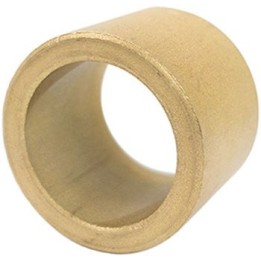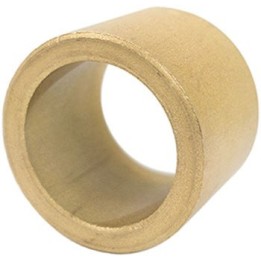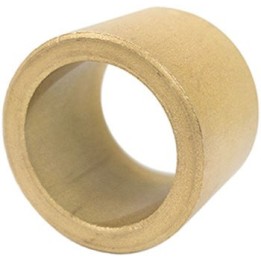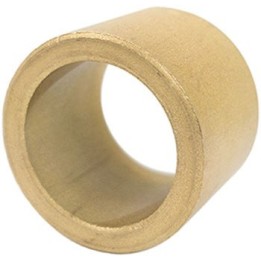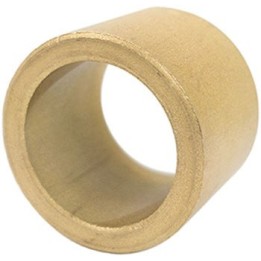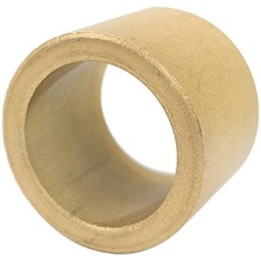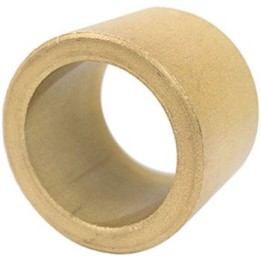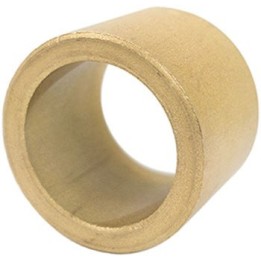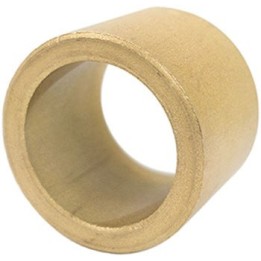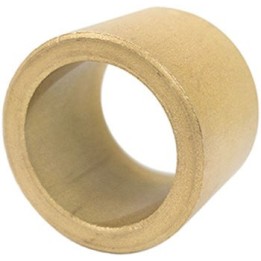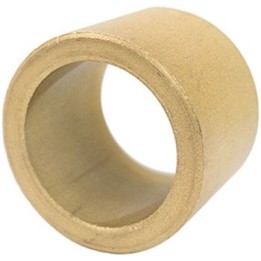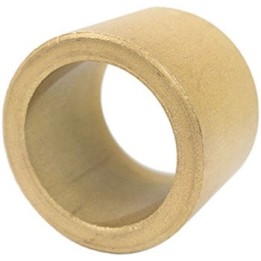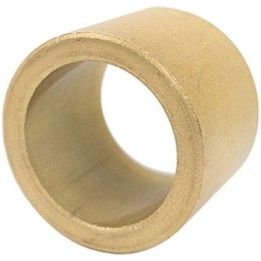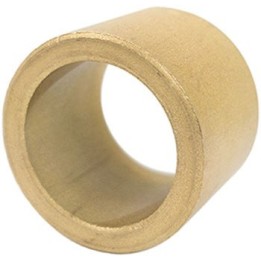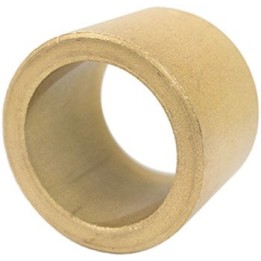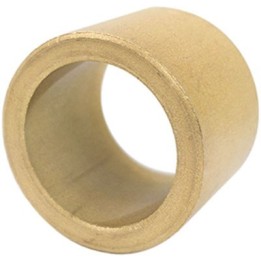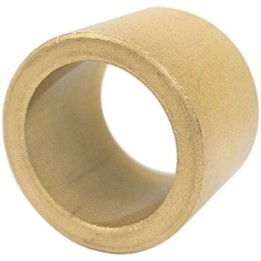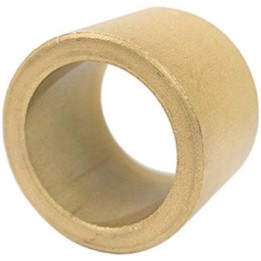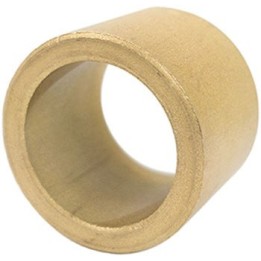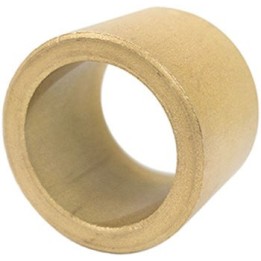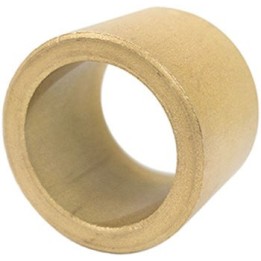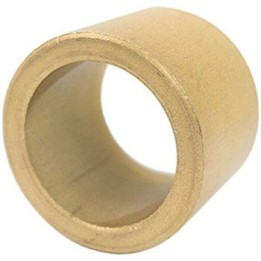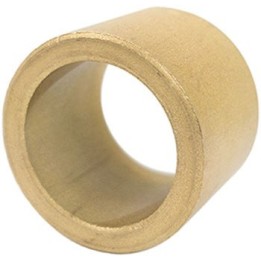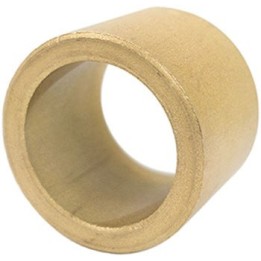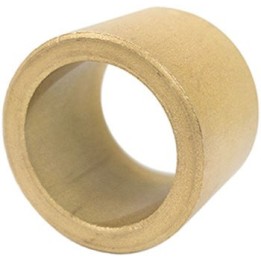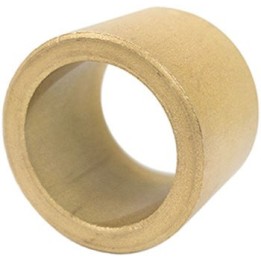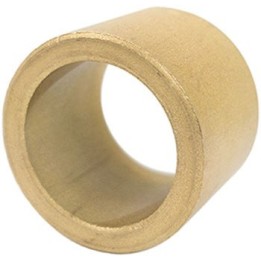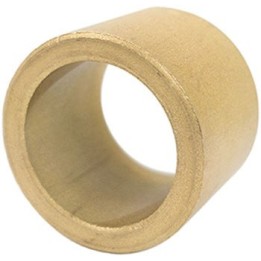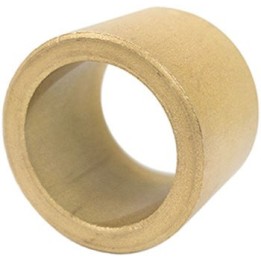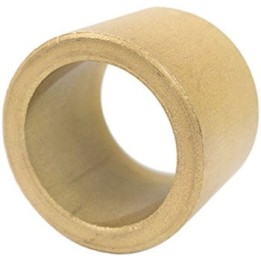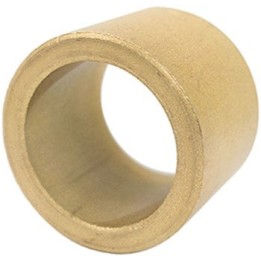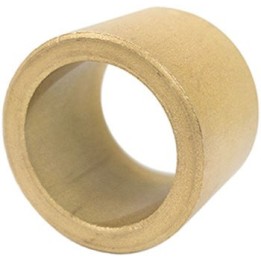
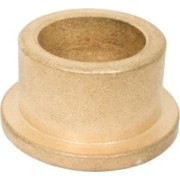
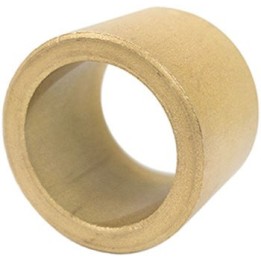
Sintered bronze bushes
Plain bearings provide a way to eliminate the effects of friction while maintaining small dimensions, low weight and good axial and radial load resistance. These bearings can be made from materials with different characteristics according to the needs of the application. Composites are used in production, but many bearings are monolithic constructions — bronze bushings are a good example.
What are the characteristics of bronze?
Bronze is a copper alloy formed by combining copper with other metals in appropriate proportions. Bronzes are produced using silicon, aluminium, lead, zinc, manganese, cobalt, beryllium and titanium. Bronzes often contain a larger number of additions — alongside the elements listed, tin or nickel is also often introduced as a further component. Material properties may vary according to the alloying addition used, but a characteristic feature is strength considerably exceeding that of copper alone, which is highly ductile. Aluminium bronze, leaded bronze and beryllium bronze are good examples. While the first two have excellent sliding properties, the third is extremely hard and resistant to mechanical effects, including abrasion. These properties make bronzes popular for casting finished components, and they are also suitable for powder metallurgy, where various sintered materials are produced from them — many plain bushings are made using this technology.