
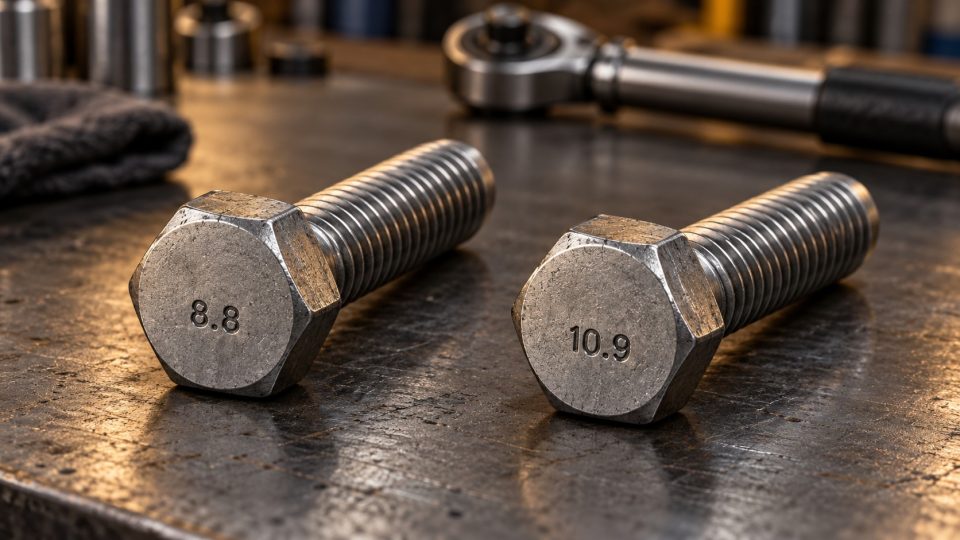
8.8 or 10.9 bolts? Differences, markings and substitution rules
A class 10.9 bolt has higher nominal strength parameters than an 8.8 bolt. However, this does not mean they can be freely interchanged. Selection also requires checkin...
Read article · 5 min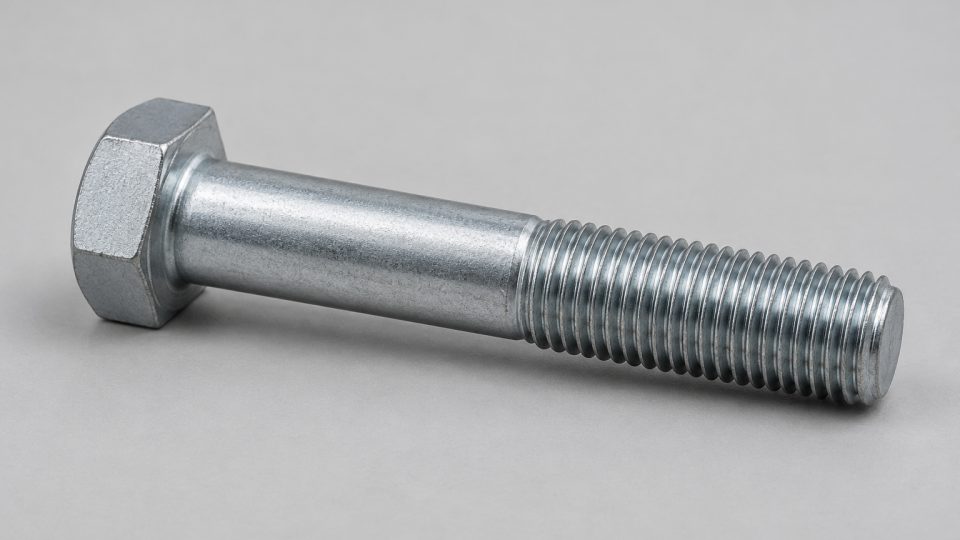
Zinc-coated or stainless steel bolts? What to check before substitution
Do not replace a zinc-coated bolt with a stainless steel one solely because it has the same thread and a silver colour. Check the mechanical requirements, corrosion pr...
Read article · 4 min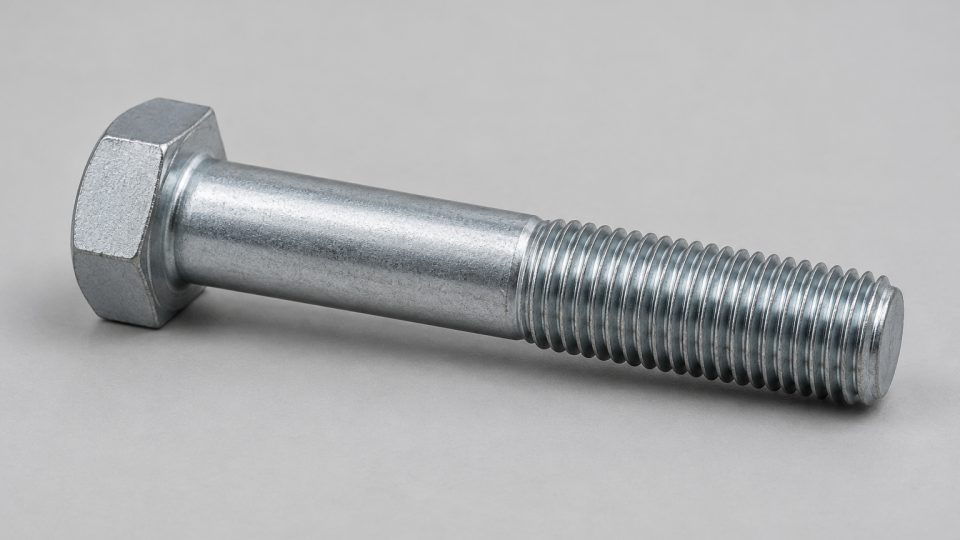
What does DIN 931 mean? Partial thread, DIN 933 and bolt selection
DIN 931 designates a hexagon-head bolt with a partial thread. There is an unthreaded shank section between the head and the threaded end. When purchasing, check not on...
Read article · 5 min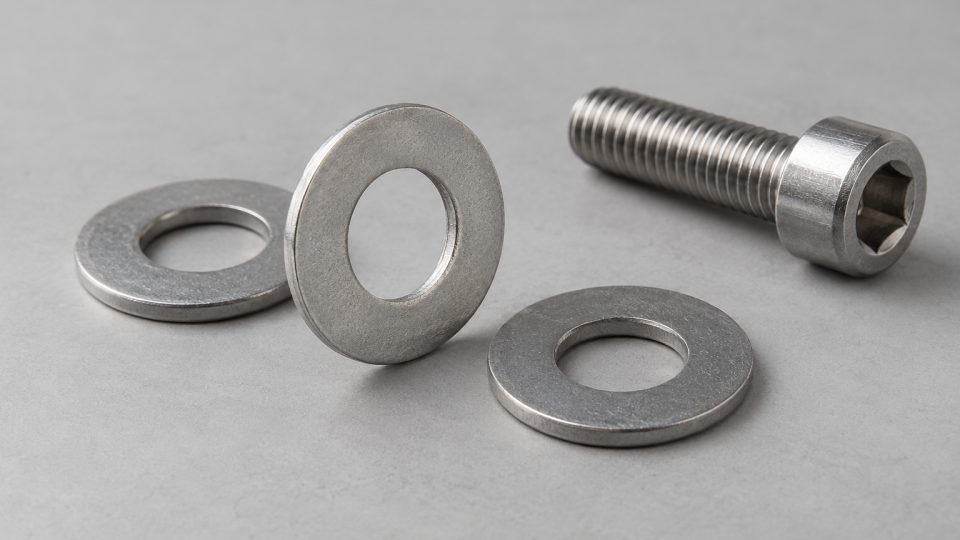
How to choose a flat washer: dimensions, bearing area and material
A flat washer is selected according to the bolt diameter, required bearing area, thickness, and the washer's material and properties. The description “for M8” alone is...
Read article · 5 min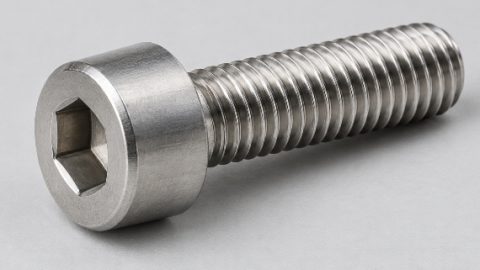
What does DIN 912 mean? How to identify and select a socket head cap screw
DIN 912 denotes a screw with a cylindrical head and hexagon socket, commonly called an Allen screw. The designation identifies the component's design, but does not by ...
Read article · 4 min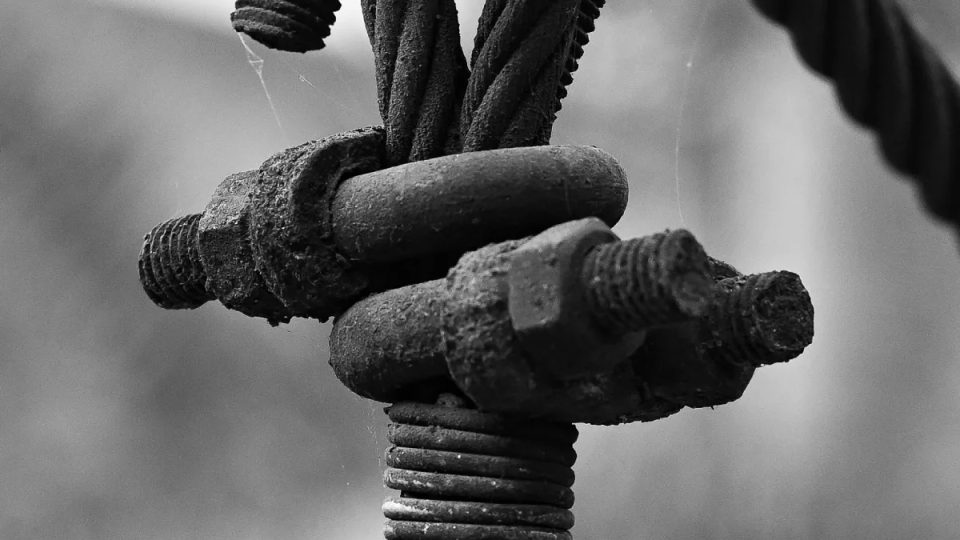
U-bolts — what are they, how do they work and where are they used?
What are U-bolts? They are extremely practical and robust fasteners, also known as threaded clamps, bow clamps or simply U-shaped brackets. In the simplest terms, a st...
Read article · 6 min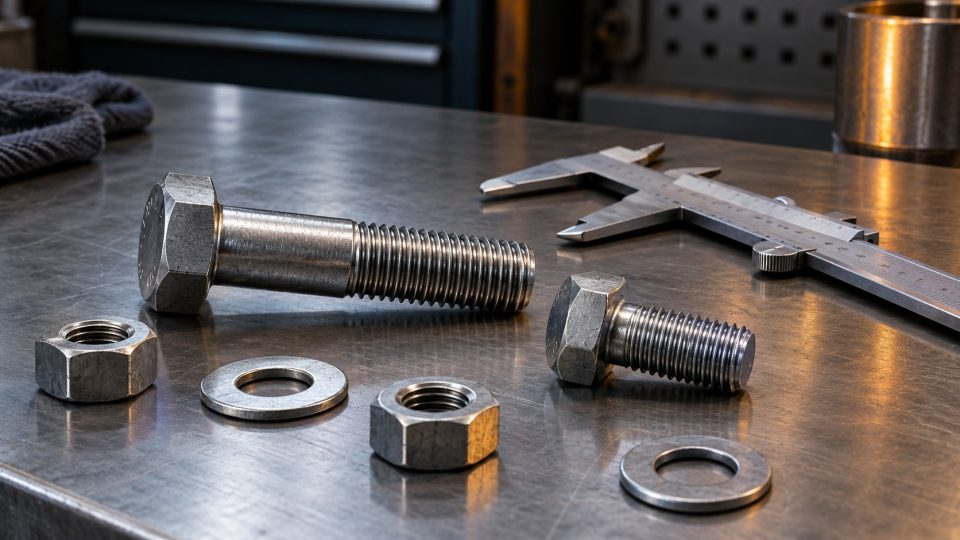
How to choose bolt length: a practical guide with examples
A correctly selected bolt should clamp the joined parts and provide the required thread engagement. A bolt that is too short may not span the entire joint; one that is...
Read article · 8 min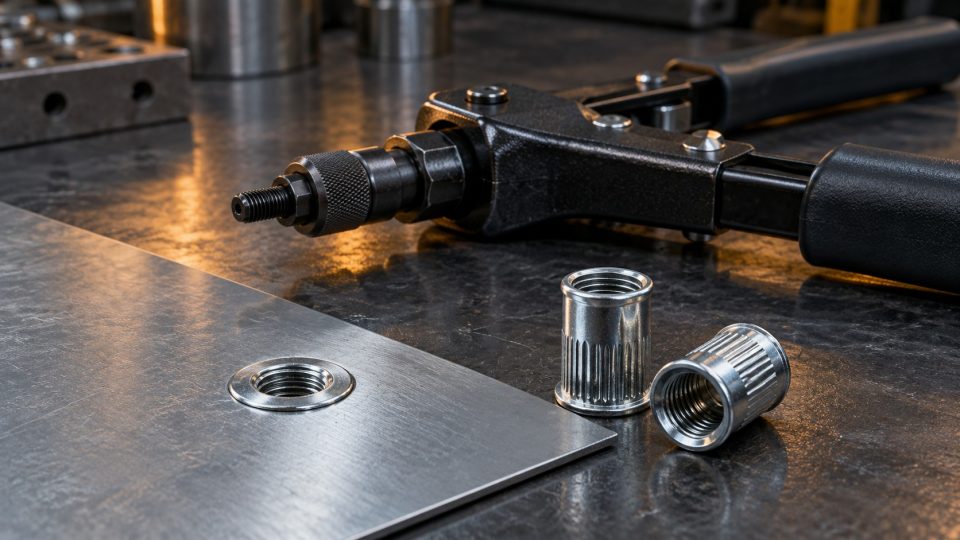
How to install rivet nuts — a practical installation guide
Rivet nuts are used to create durable threaded connections in thin materials such as sheet metal, sections or enclosure components. They provide a bolt fixing without ...
Read article · 5 min
causes of premature bearing wear
Causes of premature bearing wear – mounting errors, lubrication and contamination The most common causes of premature bearing wear are inadequate lubrication, lubrican...
Read article · 12 min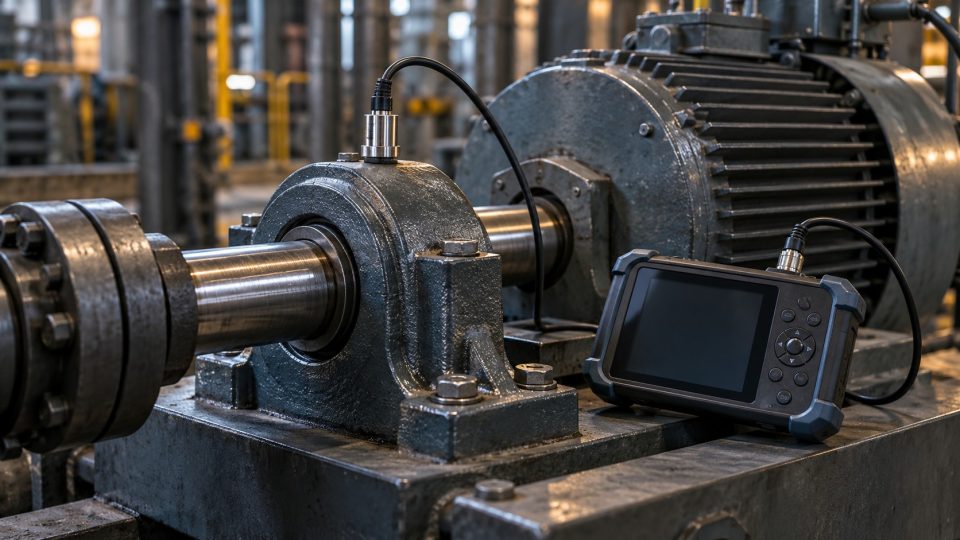
Bearing diagnostics – how to detect a failure before the machine stops?
Bearing diagnostics – how to detect a failure before the machine stops? A bearing failure can be detected before the machine stops by regularly comparing trends in vib...
Read article · 13 min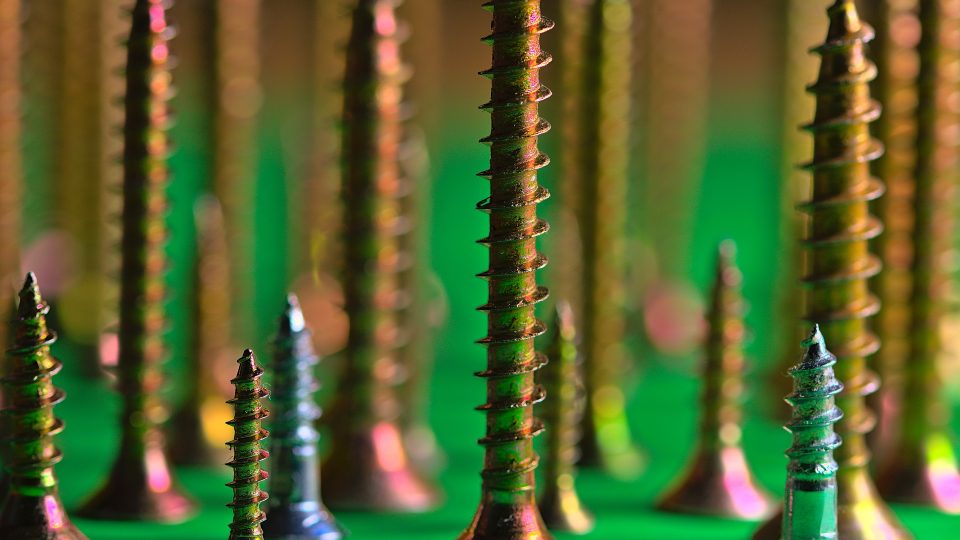
Wood screws vs metal screws – understand the differences and avoid installation mistakes
What are the main differences when comparing wood screws with metal screws, and how do they affect correct installation? The main difference lies in thread geometry an...
Read article · 7 min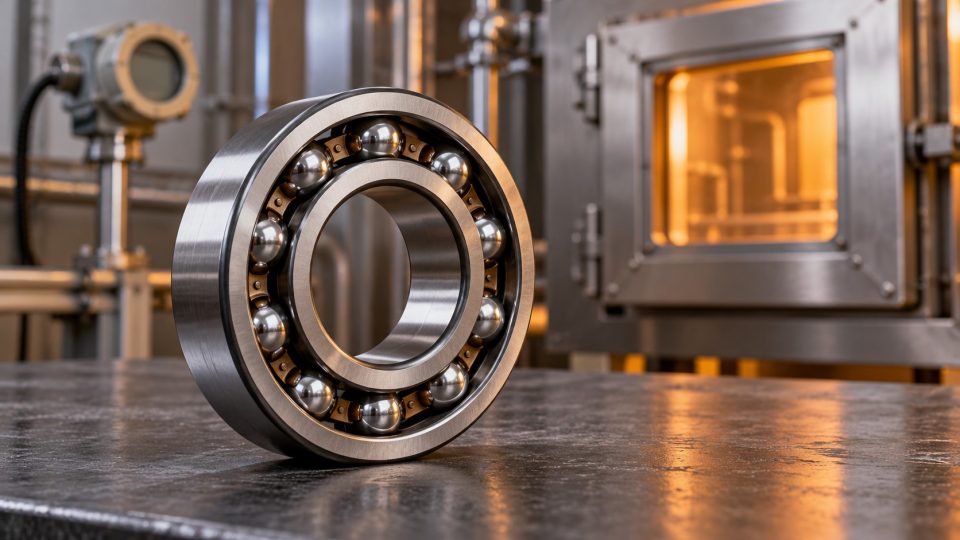
Which bearing should you choose for high temperatures?
Which bearing should you choose for high temperatures? Selecting a bearing for elevated temperatures involves more than comparing machine temperature with a number in ...
Read article · 14 min