
A flat washer is selected according to the bolt diameter, required bearing area, thickness, and the washer's material and properties. The description “for M8” alone is...
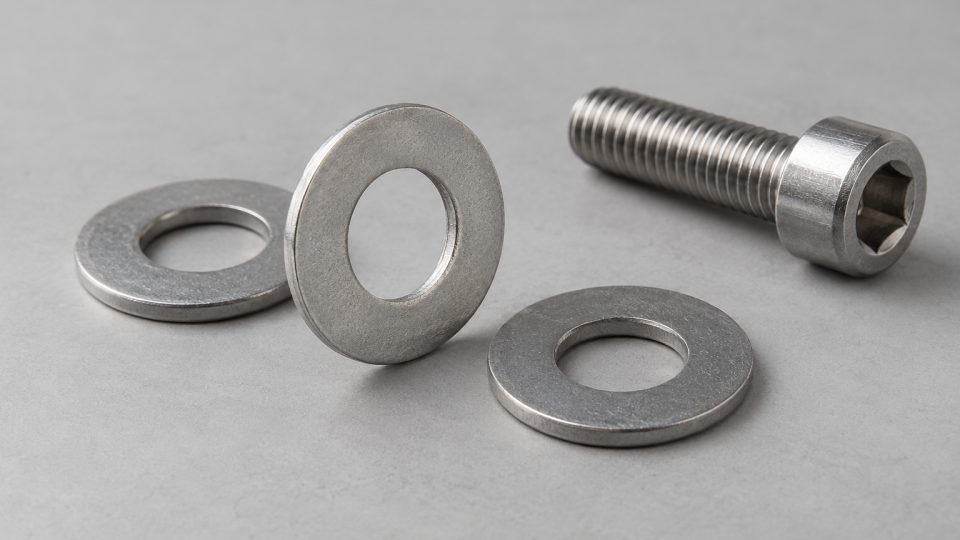
A flat washer is selected according to the bolt diameter, required bearing area, thickness, and the washer's material and properties. The description “for M8” alone is not enough: two parts that fit the same shank may have different outside diameters, thicknesses and purposes. This guide helps you prepare the selection and ordering of a flat washer for an existing joint.
Dimensions · Bearing area · Material and hardness · Bolt length · Ordering information
How do you check the three basic washer dimensions?
First establish the bolt size and required washer type from the drawing, parts list or product designation. When reproducing an existing assembly, measure an undamaged washer with callipers. Record the hole diameter, outside diameter and thickness. A worn or deformed part is not a reliable dimensional reference for a new one.
Parameter What should be compared in the joint? What can be overlooked? |
Parameter What should be compared in the joint? What can be overlooked? |
Parameter What should be compared in the joint? What can be overlooked? |
The washer should sit correctly against its intended surface. If it rests on the radius beneath the head rather than on the head's bearing surface, simply being able to pass the bolt freely through the hole does not confirm correct selection. In particular designs, the hole chamfer also matters.
When is a larger bearing area needed?
A flat washer provides a bearing surface beneath the bolt head or nut. Before choosing the outside diameter, inspect both sides of the part being joined: the hole shape, distance from the edge and available flat surface. The washer must fit in the intended space and transfer the clamping force to the appropriate area of the part.
A slotted hole, thin sheet or material susceptible to deformation may require a larger-diameter washer, a different design or an additional support element. However, a larger diameter alone does not confirm the assembly's load-bearing capacity. A washer must not be treated as an automatic repair for an excessively enlarged hole or damaged surface.
Commercial descriptions of ordinary flat washers use DIN 125 A and ISO 7089. ISO 7089 covers normal-series flat washers of product grade A. When substituting, check the required design, dimensions and properties; two numbers in the name alone do not establish compliance with the machine documentation.
Why must material and hardness be checked separately?
Select the material and coating to suit the environment and the other joint components. “Zinc-coated” and “stainless steel” describe different characteristics from the hardness class. Do not assign hardness based on shine, colour or the material name alone.
If the documentation requires a particular washer hardness class, compare it with the confirmed description of the item offered. If this information is missing from the product sheet, it must be clarified before purchasing. A suitable size does not replace checking the properties for the load expected in the joint.
For aluminium, plastic or protectively coated parts, also check the contact-surface requirements. Do not assume that every metal ring is a suitable substitute for the specified component. The assembly instructions should specify the required design and tightening procedure.
How do washers change the required bolt length?
Each washer in a bolted assembly increases its thickness. After adding one, recheck thread engagement with the nut or tapped hole and the available depth of a blind hole.
Calculation example: if you add two washers, each 2 mm thick, the assembly thickness increases by 4 mm. With the same bolt, the length protruding beyond the assembly decreases by 4 mm. This is only an example of adding dimensions, not a recommendation for a particular bolt length or washer thickness. Actual part dimensions and the required thread engagement must be checked separately.
We describe the complete measurement and selection process in the guide how to choose bolt length. This step is particularly important after changing the type or number of washers.
Does a flat washer prevent loosening?
Do not treat an ordinary flat washer as an independent locking device. Selecting the bearing area and selecting a locking method are separate tasks. If the documentation specifies a spring or locking element, do not replace it with a flat washer merely because it fits the same bolt.
How do you prepare a complete order at NERON?
Include in your enquiry:
- the washer type and standard or designation from the documentation;
- the bolt size and the washer's hole diameter, outside diameter and thickness;
- the material, coating and required hardness class, if specified;
- the quantity and space restrictions in the joint;
- a drawing or clear photograph with measurements when selecting a substitute.
In NERON's range you can browse DIN 125 A round washers. Compare the data for the specific variant with your assembly requirements. If a dimension or property has not been confirmed, contact NERON before ordering.
Related articles
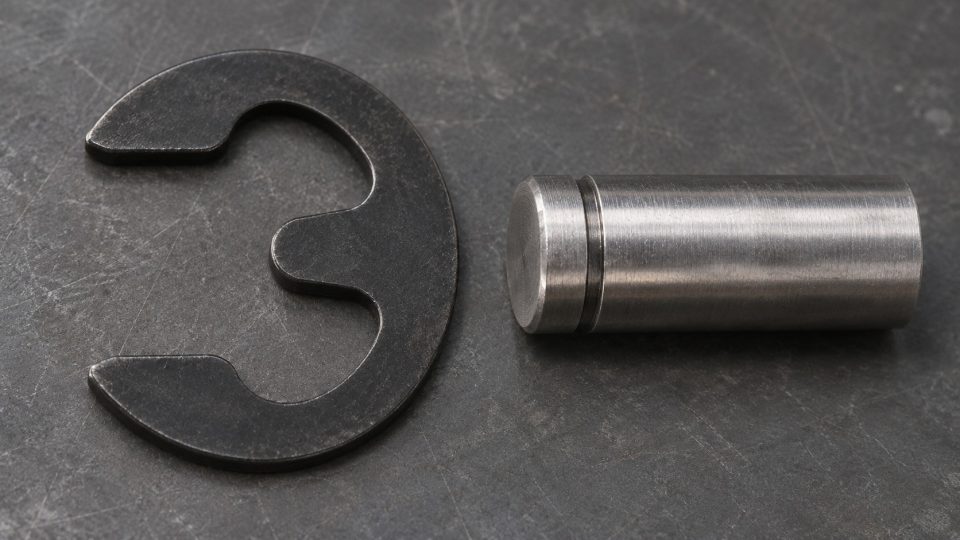
Płytka osadcza DIN 6799 — co oznacza rozmiar 8 mm?
Jeśli wymieniasz płytkę osadczą DIN 6799, sprawdź najpierw średnicę na dnie rowka. W oznaczeniu DIN 6799–8 liczba 8 odnosi się do nominalnej średnicy rowka d₂. Średnic...
Read article · 3 min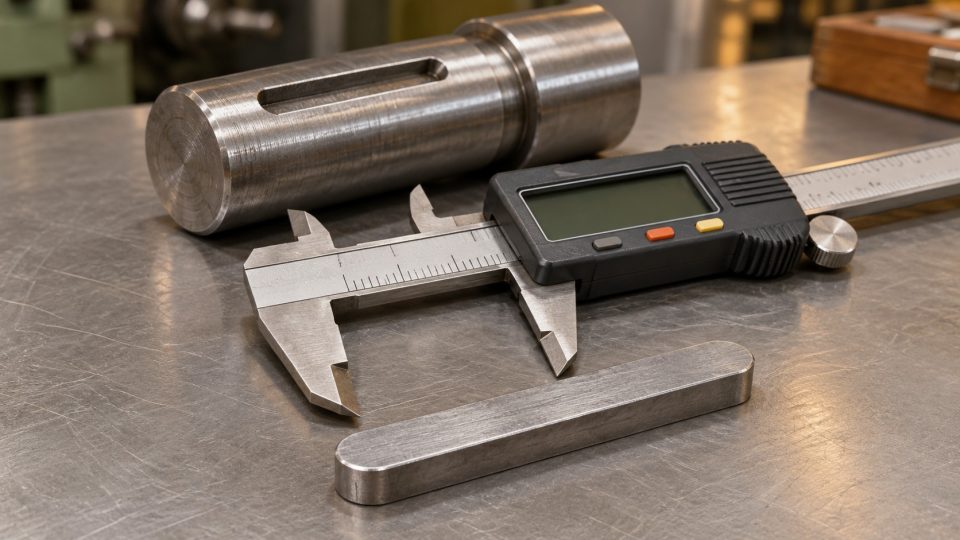
DIN 6885 parallel key — how to measure it and select a replacement?
A DIN 6885 parallel key is selected to suit the shaft and hub keyways, not solely the shaft diameter. Before purchasing, establish the width b, height h, length l, end...
Read article · 4 min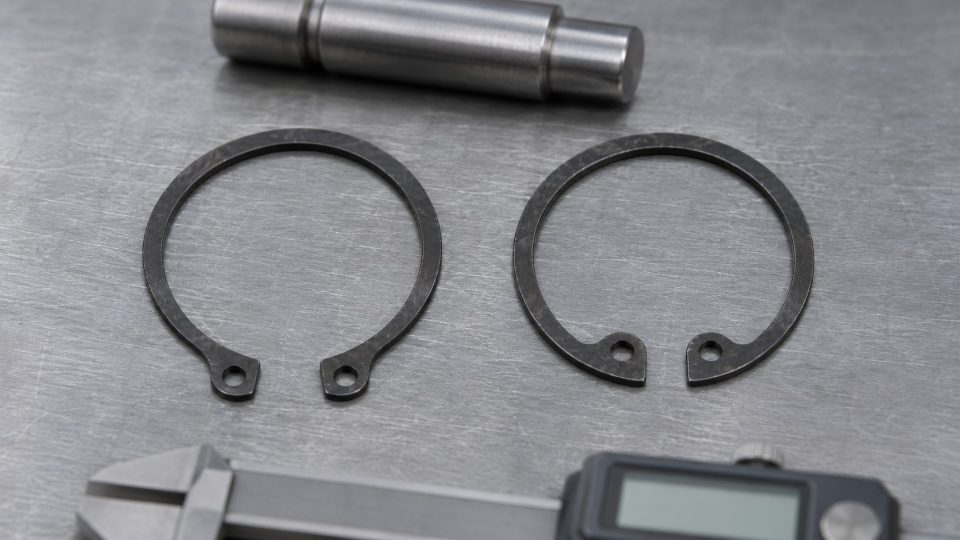
DIN 471 or DIN 472 circlip? How to select the size
DIN 471 denotes a retaining ring for a shaft, while DIN 472 denotes a ring for a bore. Before purchasing, establish the installation location, nominal shaft or bore di...
Read article · 5 min