
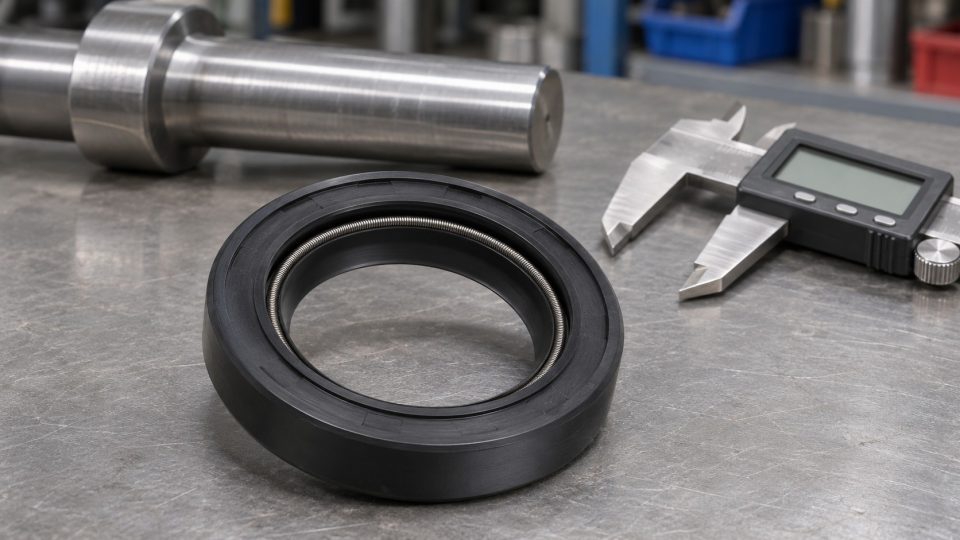
Shaft seal 25 × 40 × 7 — why dimensions alone are not enough
Does your old seal carry the designation 25 × 40 × 7, and do you want to order a replacement? Also record the letters, manufacturer and installation location. The thre...
Read article · 4 min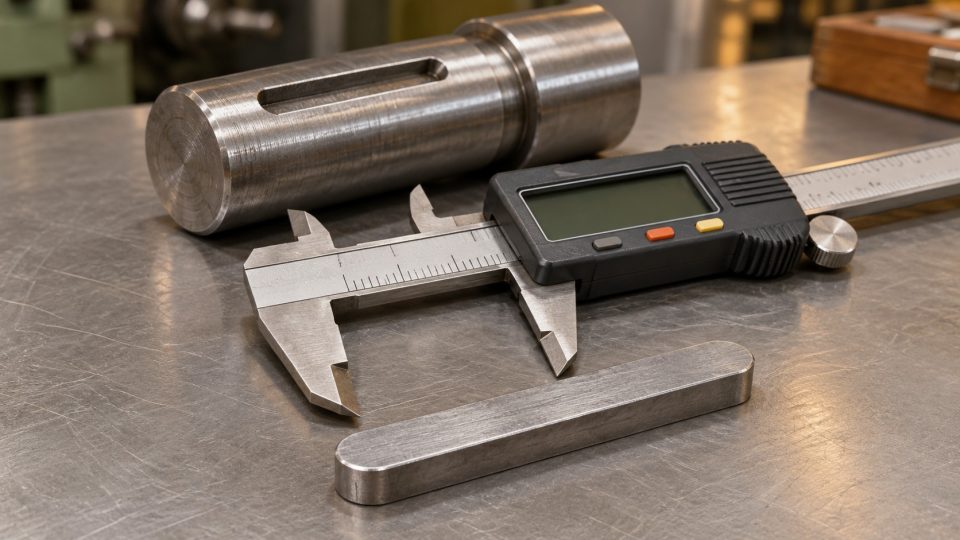
DIN 6885 parallel key — how to measure it and select a replacement?
A DIN 6885 parallel key is selected to suit the shaft and hub keyways, not solely the shaft diameter. Before purchasing, establish the width b, height h, length l, end...
Read article · 4 min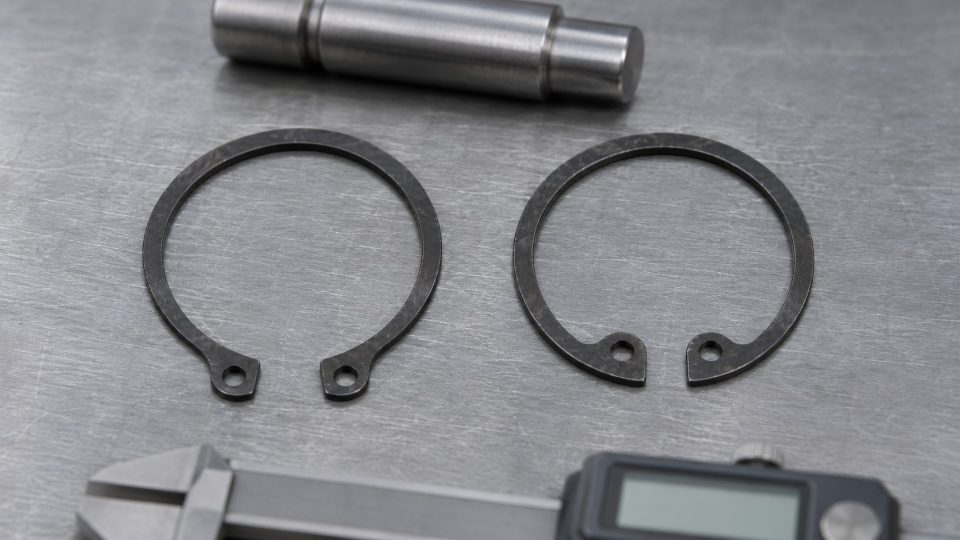
DIN 471 or DIN 472 circlip? How to select the size
DIN 471 denotes a retaining ring for a shaft, while DIN 472 denotes a ring for a bore. Before purchasing, establish the installation location, nominal shaft or bore di...
Read article · 5 min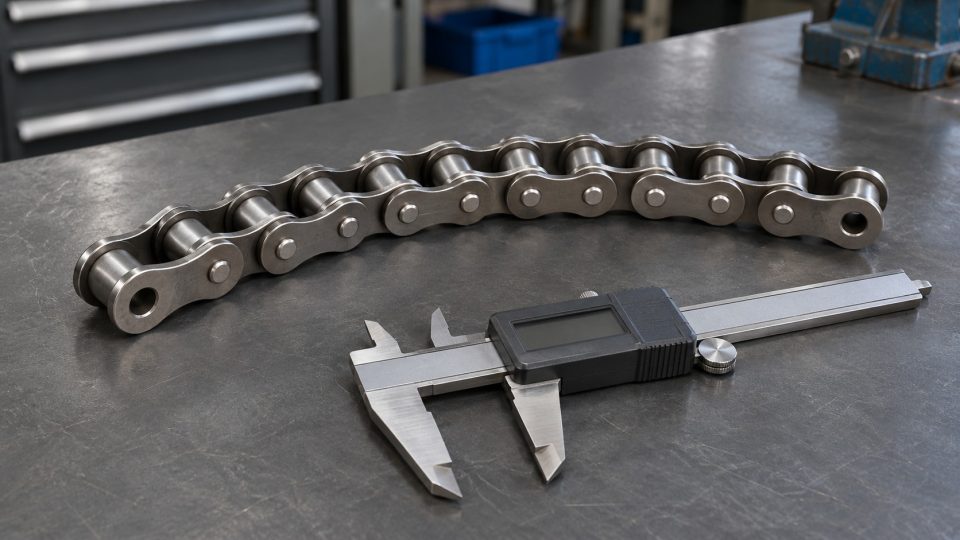
08B-1 or ANSI 40 chain? A 12,7 mm pitch is not everything
08B-1 and ANSI 40-1 chains have a pitch of 12,7 mm, but are not the same size. They differ in roller diameter and width between inner plates, among other dimensions. T...
Read article · 4 min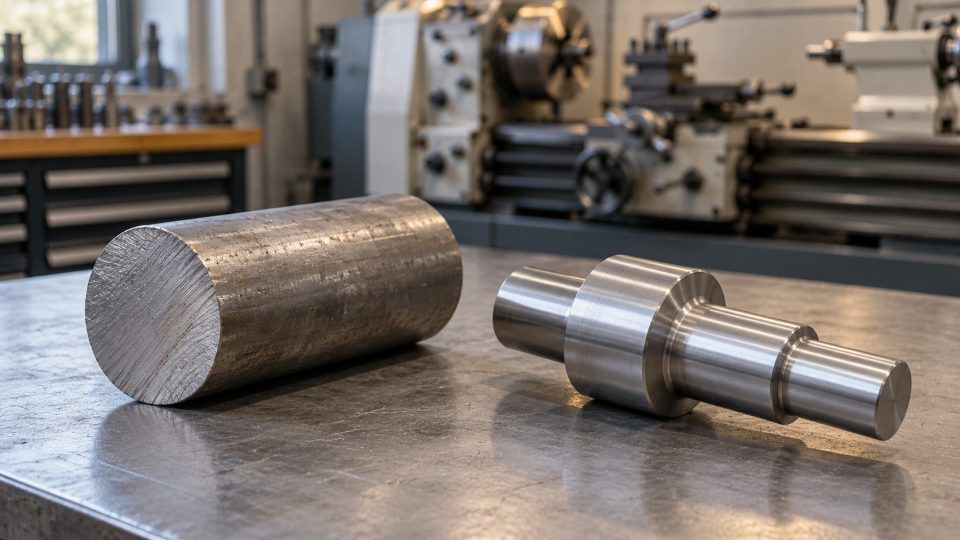
Steel for CNC machining — how to select the grade and delivery condition
Select steel for CNC machining according to the finished part requirements and planned manufacturing process. The grade name alone is not enough to select a tool and c...
Read article · 5 min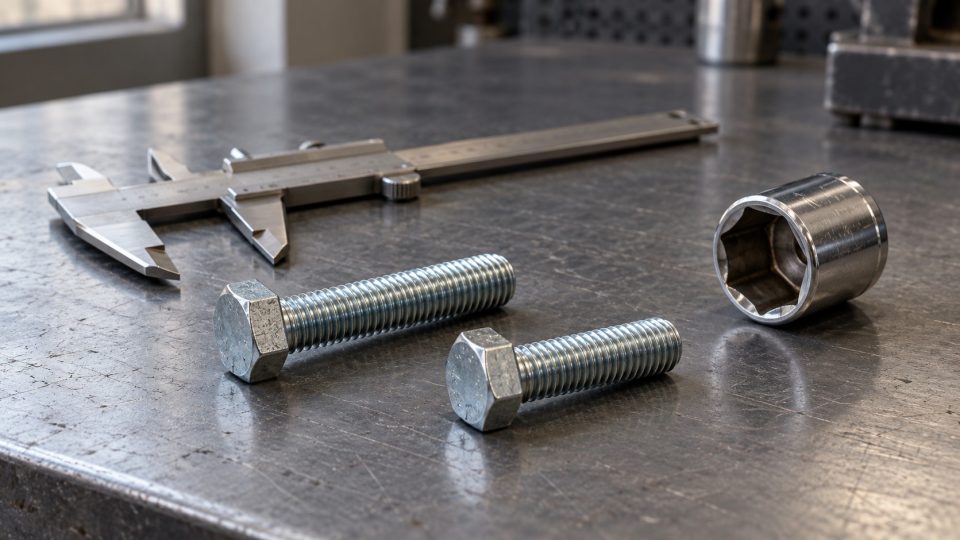
DIN 933 and ISO 4017 — which wrench and what to check before replacement?
An M10 bolt does not always require a 17 mm wrench. For DIN 933, the nominal width across flats is 17 mm, while for ISO 4017 it is 16 mm. The same thread therefore doe...
Read article · 4 min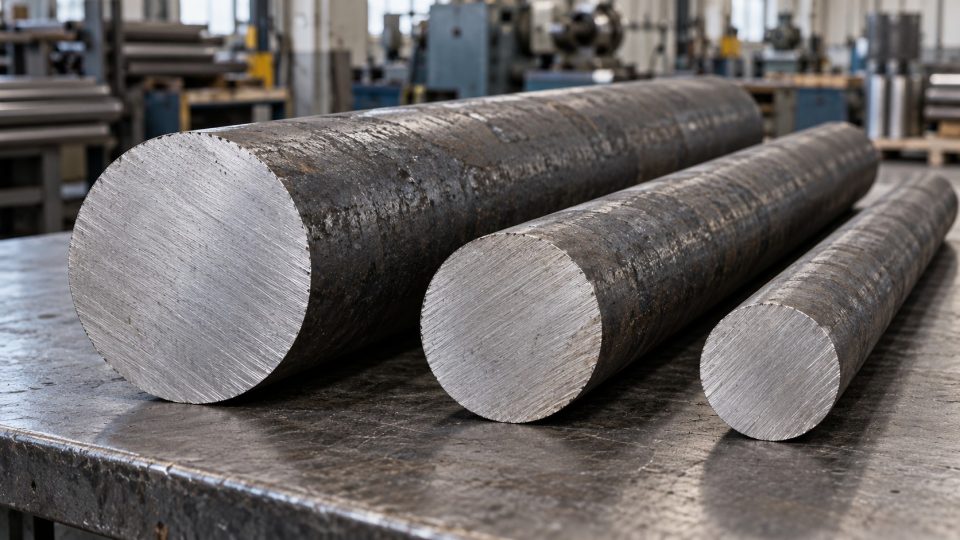
40HM / 42CrMo4 — what does +QT mean and how do you select a bar?
42CrMo4, designated by material number 1.7225 and compared with the former Polish designation 40HM, is a chromium-molybdenum steel for quenching and tempering. The gra...
Read article · 4 min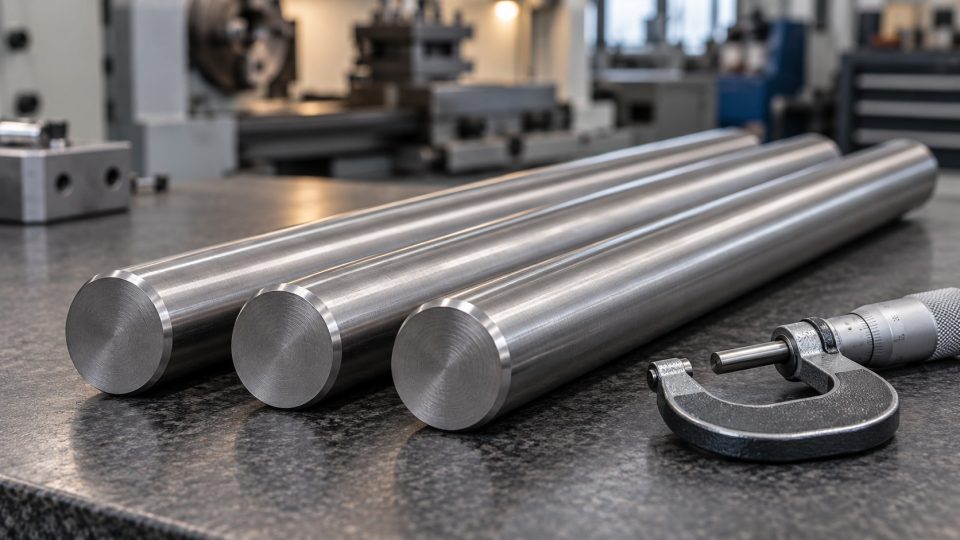
X46Cr13 (1.4034) — applications and linear shaft selection
X46Cr13, also designated by the number 1.4034, is a hardenable martensitic stainless steel. It is used for precision guide shafts, among other applications. When purch...
Read article · 5 min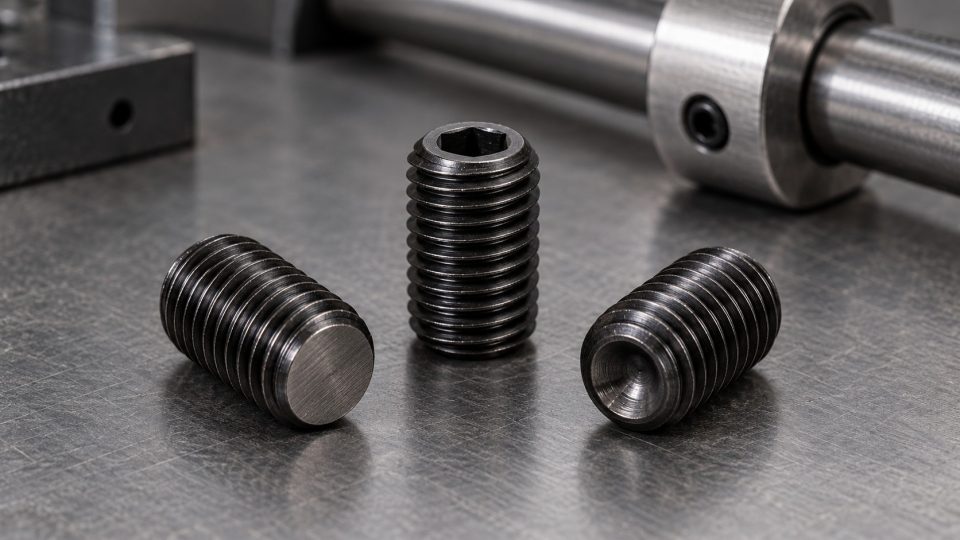
DIN 913–916 set screws — how to select the point
DIN 913, DIN 914, DIN 915 and DIN 916 set screws differ primarily in the end that contacts the secured component. A flat point, truncated cone point, cylindrical dog p...
Read article · 5 min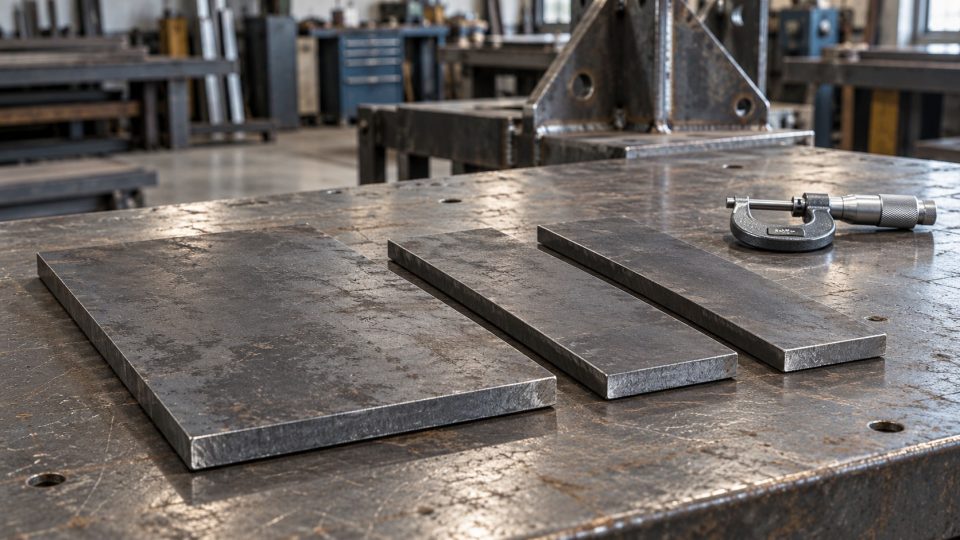
S235 or S355? Differences and checks before substitution
S355 has a higher minimum yield strength than S235 in a comparable thickness range, but is not an automatic substitute for every S235 component. Before purchasing, com...
Read article · 5 min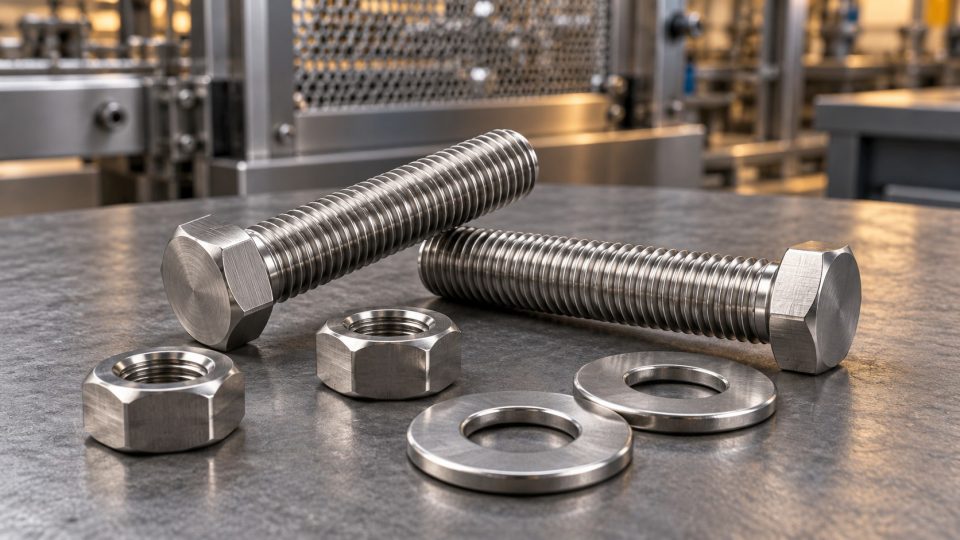
A2 or A4 bolts? What A2-70 and A4-80 mean
A4 does not automatically mean a stronger bolt than A2. In a designation such as A2-70 or A4-80, the material and mechanical property class must be read separately. Ch...
Read article · 5 min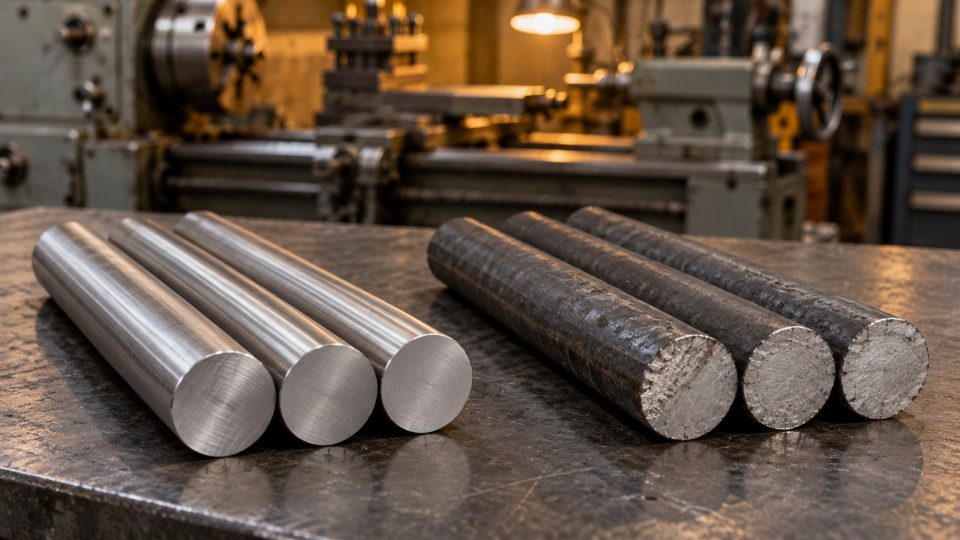
Drawn or rolled steel? How to select bar stock for machining
Drawn or rolled steel? When selecting a bar for machining, compare the grade, delivery condition, dimensional tolerance and finished part requirements. A drawn bar can...
Read article · 5 min