
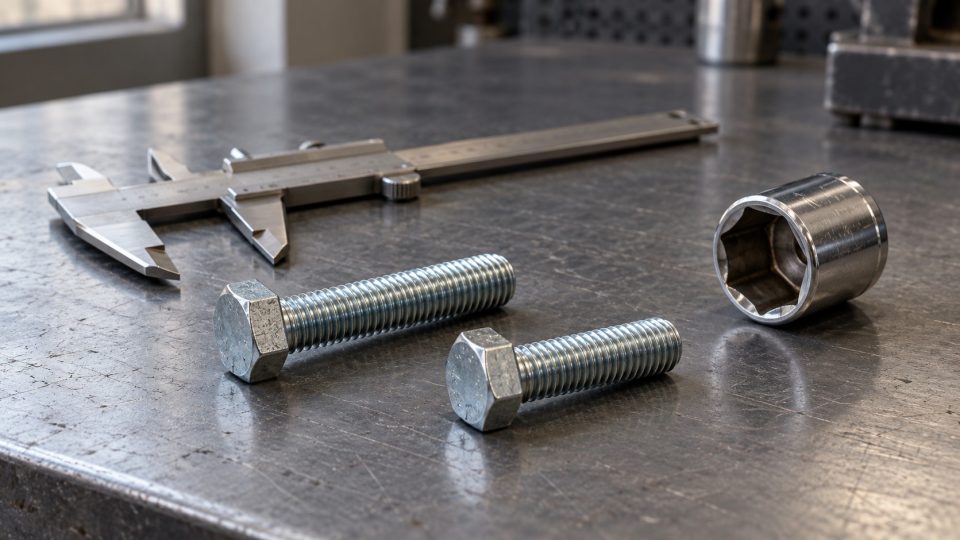
An M10 bolt does not always require a 17 mm wrench. For DIN 933, the nominal width across flats is 17 mm, while for ISO 4017 it is 16 mm. The same thread therefore doe...
An M10 bolt does not always require a 17 mm wrench. For DIN 933, the nominal width across flats is 17 mm, while for ISO 4017 it is 16 mm. The same thread therefore does not confirm an identical head. Before ordering a replacement, check the joint requirements and tool access separately.
First establish what you are actually replacing
DIN 933 and ISO 4017 cover hexagon-head bolts described as fully threaded bolts. ISO 4017 succeeds the withdrawn DIN 933. The current published edition is ISO 4017:2022. A commercial name containing both numbers does not establish which head a particular variant has.
If the old bolt has a clearly smooth shank section, first check whether it is a different design. The guide what does DIN 931 meanexplains the difference between full and partial threads. Do not replace a partially threaded bolt with a fully threaded one solely because the diameter and length match.
How to measure the head and check the socket?
- Measure the width between opposite flat faces of the head. This is dimension s, the width across flats. Measuring across the corners gives a different dimension.
- Compare the result with the data sheet for the correct variant. Wear, burrs or corrosion can make identification difficult. Measurement does not replace the standard documentation or confirmation of the bolt's property class.
- Select the tool for the identified head. Do not treat a loose larger socket as a solution, and do not force a smaller one onto the head.
- Check the space around the joint. The socket size specifies the opening size, not the tool's outside diameter. You also need its actual outside dimensions, length and space for the drive.
Four sizes where the wrench changes
Below we compare nominal dimension s for standard DIN 933 and ISO 4017 hexagon heads. This compares the standards and does not confirm the specifications of every product in the store.
M10
DIN 933 17 mm.
ISO 4017 16 mm.
M12
DIN 933 19 mm.
ISO 4017 18 mm.
M14
DIN 933 22 mm.
ISO 4017 21 mm.
M22
DIN 933 32 mm.
ISO 4017 34 mm.
For M22, the change goes in the opposite direction the ISO head has a larger width across flats. Do not apply a general rule that “ISO is a millimetre smaller”. Do not transfer these values to flange heads or other product families.
Why does a fitting socket not complete the selection?
When replacing, also compare thread diameter and pitch, length, threaded length, material, mechanical property class, coating and the geometry under the head. A smaller hexagon width does not confirm identical support. The requirements in the joint documentation still apply.
Do not determine tightening torque from wrench size. Changes to standard, material, coating or friction conditions require checking the appropriate assembly procedure. Tool fit is only one of the checks.
Example — the bolt fits, but the tool will not fit inside the guard
Suppose the documentation permits the proposed M22 replacement, but access is through a guard. DIN 933 and a 32 mm socket were previously used. ISO 4017 requires 34 mm at this size.
Before ordering, compare the actual 34 mm socket's outside diameter and length with the available space. The 2 mm difference between opening sizes alone does not determine the difference in tool outside diameters. This illustrates the sequence of checks without assuming specific guard or tool dimensions.
How to check an offer and formulate an order?
In the NERON range of DIN 933 hexagon bolts select a particular variant and open its data sheet. For example, the data sheet for the M10×10 DIN 933 bolt, 8.8, electrogalvanized, 5 pieces gives s = 17 mm and also identifies ISO 4017 as a related standard. The ISO reference does not automatically mean a 16 mm head here. This data-sheet example applies only to the described M10×10 variant.
Specify the standard required by the documentation, thread size and pitch, length, material, property class, coating and required dimension s if assembly depends on a particular tool. If the variant description contains a contradiction, clarify it before purchase. Do not approve interchangeability solely on the word “equivalent”.
Related articles
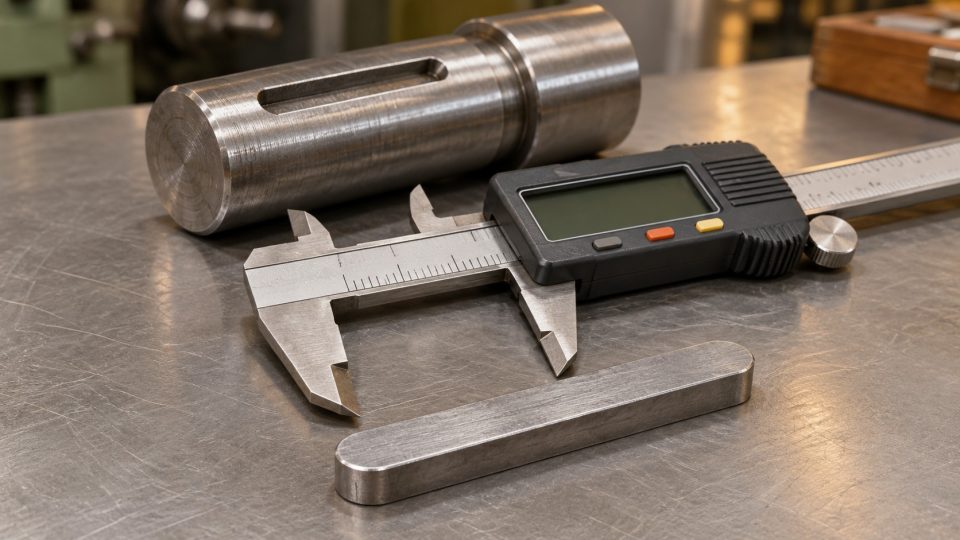
DIN 6885 parallel key — how to measure it and select a replacement?
A DIN 6885 parallel key is selected to suit the shaft and hub keyways, not solely the shaft diameter. Before purchasing, establish the width b, height h, length l, end...
Read article · 4 min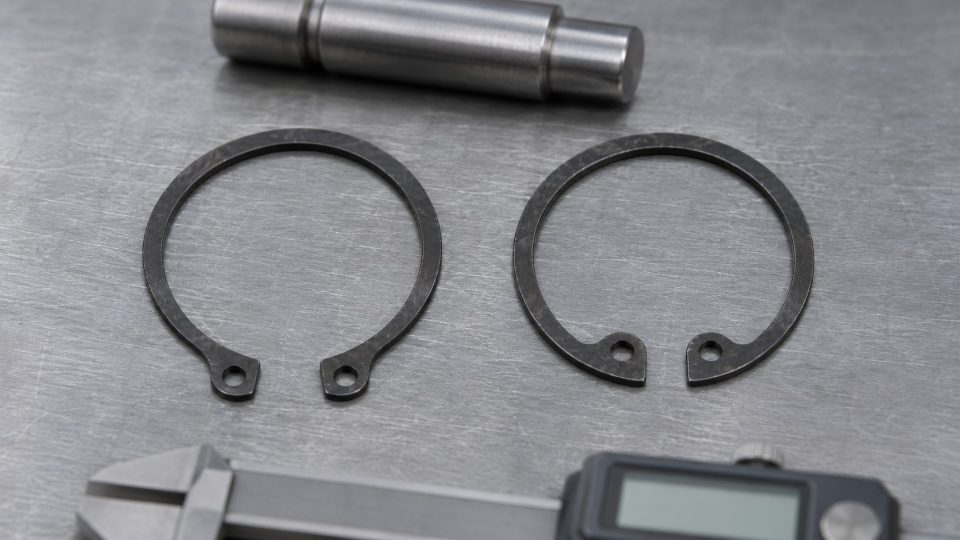
DIN 471 or DIN 472 circlip? How to select the size
DIN 471 denotes a retaining ring for a shaft, while DIN 472 denotes a ring for a bore. Before purchasing, establish the installation location, nominal shaft or bore di...
Read article · 5 min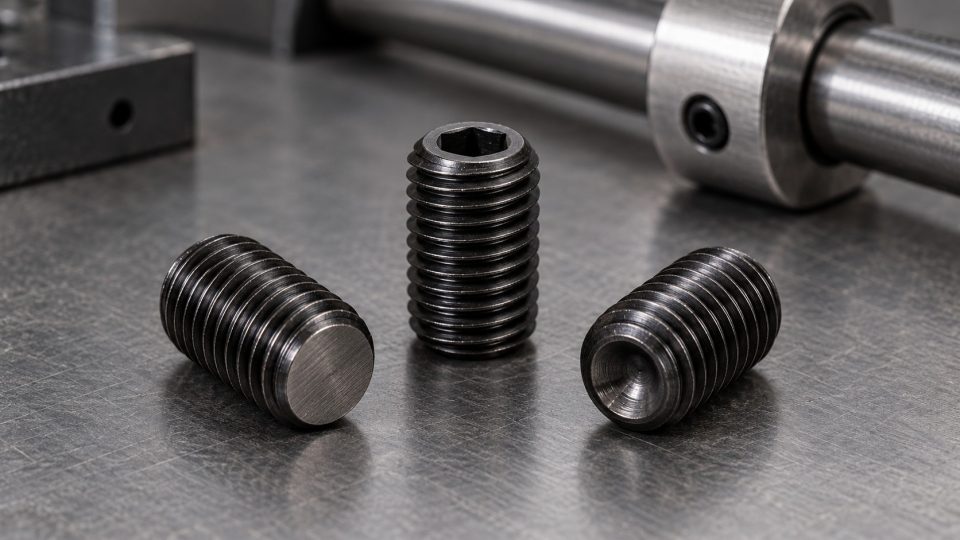
DIN 913–916 set screws — how to select the point
DIN 913, DIN 914, DIN 915 and DIN 916 set screws differ primarily in the end that contacts the secured component. A flat point, truncated cone point, cylindrical dog p...
Read article · 5 min