
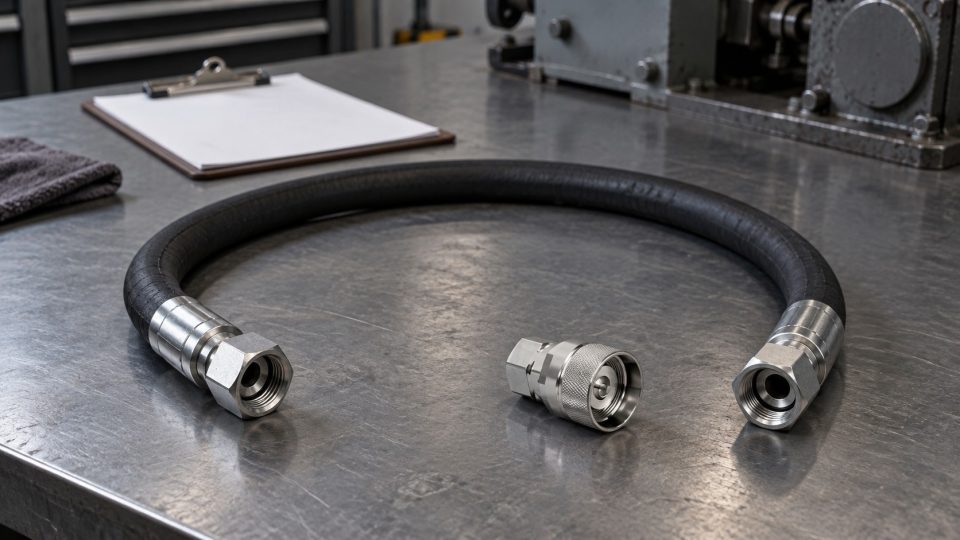
A matching connection size is not enough when selecting power hydraulic components. Before purchasing, confirm the requirements of the entire connection, including pre...
A matching connection size is not enough when selecting power hydraulic components. Before purchasing, confirm the requirements of the entire connection, including pressure, flow rate, medium, temperature, sealing and assembly method. This guide helps check whether an enquiry is complete and rule out a replacement that only appears to fit.
A matching thread does not confirm connection compatibility
The thread and the sealing location are two separate pieces of information. Identify the male or female thread, its diameter, pitch and parallel or tapered design. Check the sealing surface and connection geometry separately. The size designation alone does not describe all these features.
Do not order a part simply as a “half-inch fitting”. Record the full designation of the fitting and port, or include their drawings. If only the thread has been identified and the seal has not been established, consider the selection incomplete. Trying to screw the part in does not replace identifying the connection.
Hose pressure is not the pressure rating of the entire assembly
Compare the permissible working pressure of all components with the system requirements, allowing for pressure surges. The assembly does not automatically acquire the specifications of its strongest component. Burst pressure does not constitute approval for daily operation.
A purely hypothetical example the machine documentation specifies a maximum system pressure of 210 bar, including surges. Consider the following data, assuming compatible temperature and medium conditions.
Item Assumption in the example Conclusion from comparison |
Item Assumption in the example Conclusion from comparison |
Item Assumption in the example Conclusion from comparison |
This combination cannot be accepted for the stated system. The result is neither an instruction to reduce the machine setting nor the selection of a specific product. Even matching pressure ratings for all parts do not yet confirm that their combination and assembly are correct.
Overlooking medium, temperature and installation location
State the fluid's full name and the medium and ambient temperatures in the enquiry, including during start-up. Chemical compatibility must be checked for the hose, fittings and seals, not just one of these components.
Assess the hose routing separately, including machine movement, length, minimum bend radius from the documentation, possible twisting and contact with hot or abrasive surfaces. A hose that meets catalogue requirements may not fit the available space. Diameter and length selection are covered in a separate guide how to select a hydraulic hose.
A correctly sized fitting does not approve the crimp
Selection also covers the connection between hose and fitting. The particular combination needs an approved set of components and the correct crimping instructions. Matching size, similar appearance or use of a single brand does not replace documentation for the specific system.
If the approved combination has not been established, do not treat loose parts as a ready-to-use hydraulic assembly. Distinguish purchasing a component from ordering a complete hose assembly in your enquiry.
Pre-order checklist
Use the following checklist to collect the data. Mark unknown values as missing. Do not enter approximations as confirmed specifications.
What to establish Machine and task
- What to include in the enquiry Model, circuit identification, documentation and whether this is a replacement or a change in design
What to establish Pressure and flow rate
- What to include in the enquiry Required values with units and information on known pressure surges
What to establish Fluid and temperature
- What to include in the enquiry Medium designation and fluid and ambient temperature ranges
What to establish Both connections
- What to include in the enquiry Full fitting, thread and sealing surface designations, or drawings
What to establish Installation
- What to include in the enquiry Required length and how it is defined, routing, movement, space constraints and ambient conditions
What to establish Scope of supply
- What to include in the enquiry Loose component or complete assembly, quantity and required documents
In the NERON range, see hydraulic fittings and connectors and hydraulic quick couplings. A product's presence in a category does not confirm suitability for your machine. If data is missing, send NERON the specification for hydraulic component selection, indicating which information needs to be completed.
When a leak is the reason for replacement
Do not determine the cause of leakage solely from a photograph, or search for a leak with your hand. Inspection and disassembly require trained personnel to shut down safely and release pressure according to the machine procedure. Stopping the pump alone does not guarantee that pressure in the hose has dissipated.
Related articles
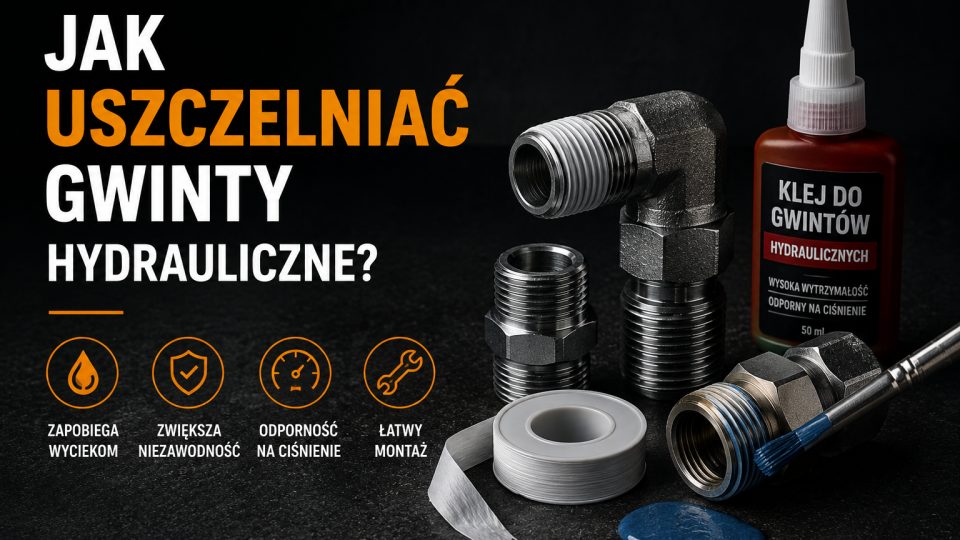
How to seal hydraulic threads?
Correct sealing of hydraulic threads is essential to the leak-tightness and safety of the entire hydraulic system. Inadequate sealing can lead to oil leaks, pressure d...
Read article · 3 min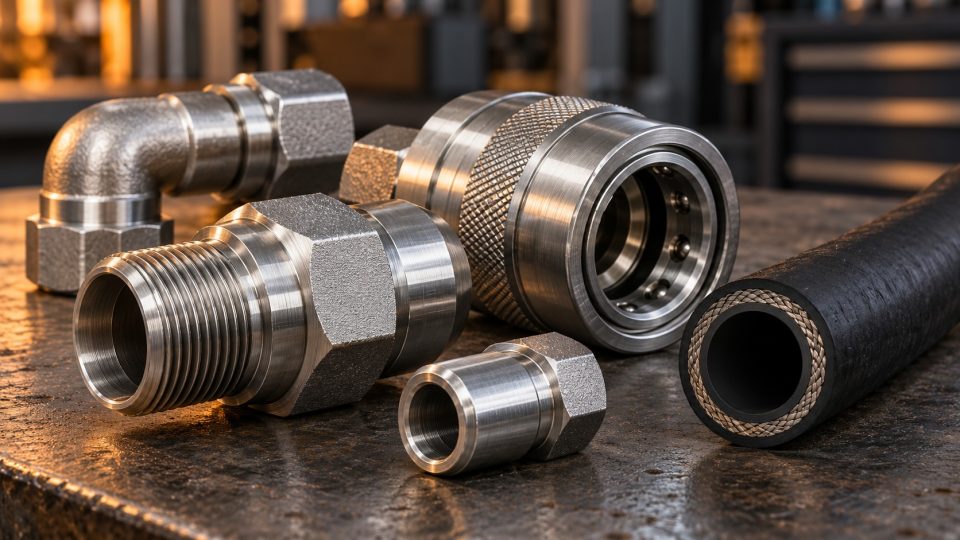
What does DN12 mean?
DN12 is a nominal size designation used in hydraulics. It does not automatically mean that every bore, thread or hose measures exactly 12 mm. Check how the designation...
Read article · 3 min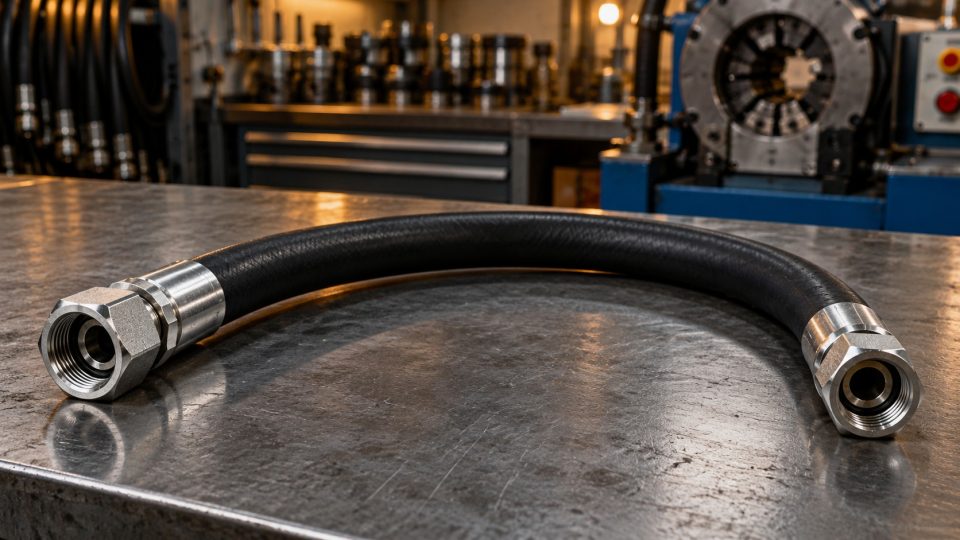
How to select a hydraulic hose
Selecting the right hydraulic hose is crucial to the safety, efficiency and service life of the entire hydraulic system. An incorrectly selected hose can cause pressur...
Read article · 4 min