
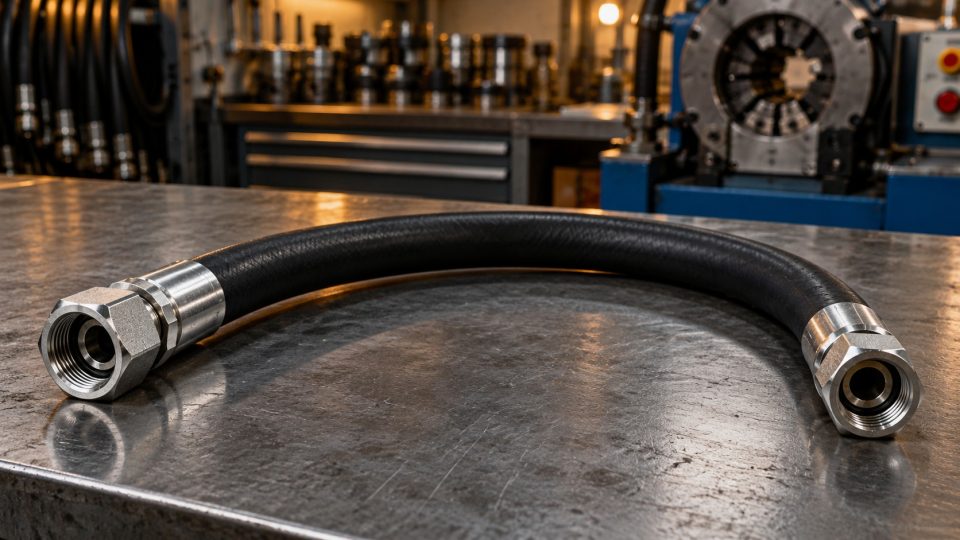
Selecting the right hydraulic hose is crucial to the safety, efficiency and service life of the entire hydraulic system. An incorrectly selected hose can cause pressur...
Selecting the right hydraulic hose is crucial to the safety, efficiency and service life of the entire hydraulic system. An incorrectly selected hose can cause pressure drops, hydraulic oil overheating, leaks and failures in power hydraulics.
When selecting a hydraulic hose, consider the following.
- working pressure,
- hose diameter,
- operating temperature,
- type of hydraulic medium,
- hose length,
- type of fittings and hydraulic threads.
Why is selecting the right hydraulic hose so important?
A hydraulic hose operates at very high pressure and under demanding service conditions. Incorrect selection can lead to the following.
- hose damage,
- reduced hydraulic performance,
- system overheating,
- hydraulic oil leaks,
- failure of pumps and cylinders.
How to select the hydraulic hose diameter
One of the basic parameters is the actual internal hose diameter stated in the manufacturer's data sheet. The nominal DN designation or inch size must be read in the context of the particular family. It does not replace the dimension in mm needed for calculations.
Diameter selection depends on the following.
- required hydraulic oil flow rate,
- hydraulic pump delivery rate,
- hose length,
- medium flow velocity.
A hose diameter that is too small can cause the following.
- large pressure drops,
- increased oil temperature,
- excessive loading of the hydraulic system.
How to select the hose working pressure
Every hydraulic hose has a specified
- working pressure,
- maximum pressure,
- burst pressure.
The permissible working pressure of the finished hose assembly must suit the system's maximum operating conditions, taking pressure impulses, medium and temperature into account. Confirm compatibility of the hose, fittings and crimping system in the manufacturer's documentation. Burst pressure is not a permissible operating pressure.
Types of hydraulic hose
The types most commonly used in power hydraulics are
- 1SN hydraulic hoses,
- 2SN hydraulic hoses,
- 4SP and 4SH spiral hoses,
- thermoplastic hoses,
- high-temperature hoses.
Selecting hydraulic fittings
When selecting a hydraulic hose, pay attention to the type of fittings and hydraulic threads used.
The most common thread types are
Incorrect thread selection can cause leaks and damage to hydraulic connections.
Common mistakes when selecting hydraulic hoses
- hose diameter too small,
- unsuitable working pressure,
- incorrect thread selection,
- hose bend radius too small,
- using poor-quality hydraulic hoses.
How to select hydraulic hose length
A hydraulic hose should not be
- too taut,
- twisted,
- excessively bent.
Allow for movement of the machine's working components and an appropriate hose bend radius.
Frequently asked questions
What does DN mean for hydraulic hoses?
DN is a nominal size designation. Check the hose's actual internal diameter in mm in its data sheet. For example, for the Gates 8G2L hose in size 1/2 inch, the manufacturer specifies an internal diameter of 12,7 mm, compliance with EN 853 2SN and a maximum working pressure of 275 bar. These data apply to this model. They do not define the permissible pressure of any hose assembly or coupling.
How to select the hydraulic hose diameter
Hose diameter is selected based on flow rate, working pressure and hydraulic installation length.
Why does a hydraulic hose heat up?
The most common causes are
- hose diameter too small,
- excessive flow resistance,
- working pressure too high.
Which threads are used in hydraulics?
The most commonly used threads are BSP, NPT, JIC, ORFS and metric threads.
Summary
Correct hydraulic hose selection has a major impact on the safety and reliability of the hydraulic system. Pay particular attention to hose diameter, working pressure, thread type and the quality of the hydraulic components used.
Related articles
- What does DN12 mean?
- How to identify a hydraulic thread
- Types of hydraulic threads
- Common mistakes when selecting hydraulics
- How to seal hydraulic threads
Related products
- Hydraulic hoses
- Hydraulic quick couplings
- BSP hydraulic fittings
- Hydraulic adapters
- Couplings ORFS
Related articles
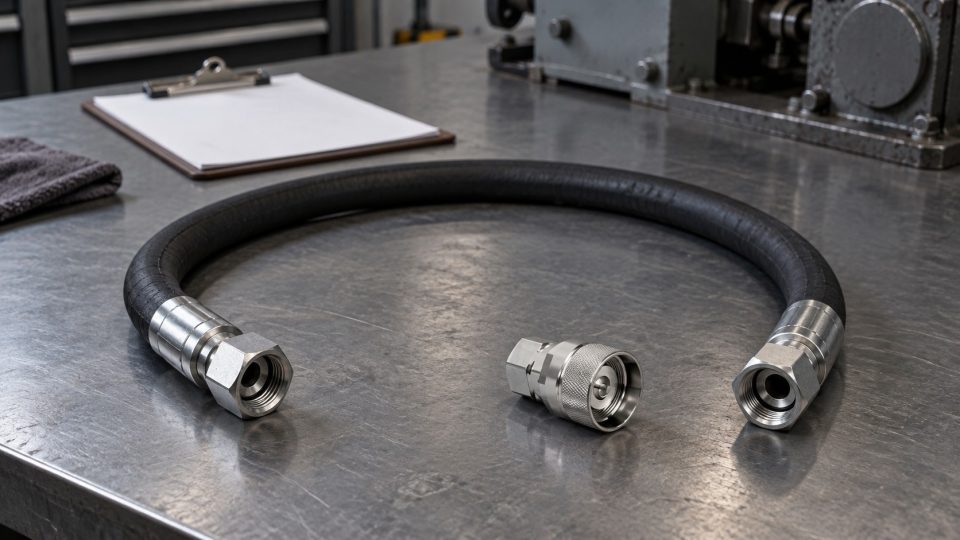
Common mistakes when selecting hydraulics
A matching connection size is not enough when selecting power hydraulic components. Before purchasing, confirm the requirements of the entire connection, including pre...
Read article · 4 min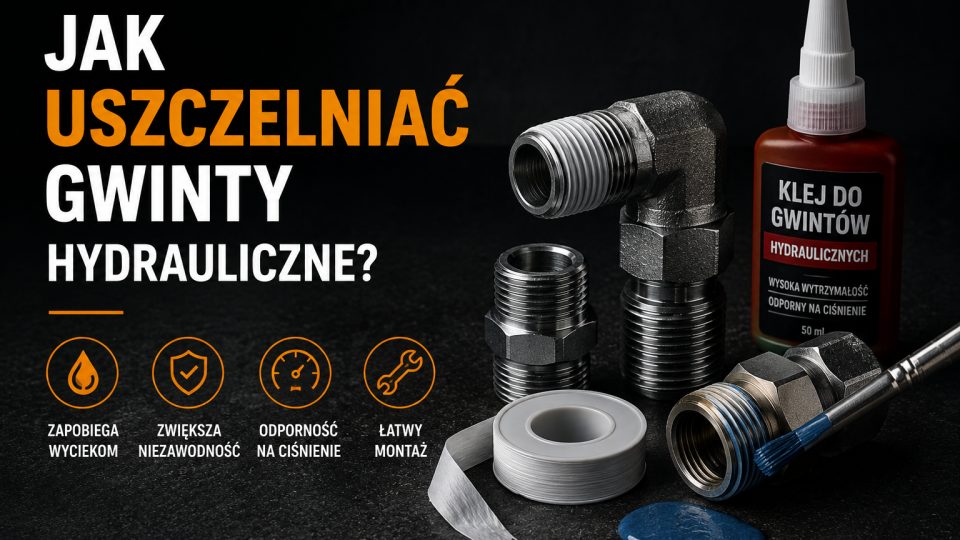
How to seal hydraulic threads?
Correct sealing of hydraulic threads is essential to the leak-tightness and safety of the entire hydraulic system. Inadequate sealing can lead to oil leaks, pressure d...
Read article · 3 min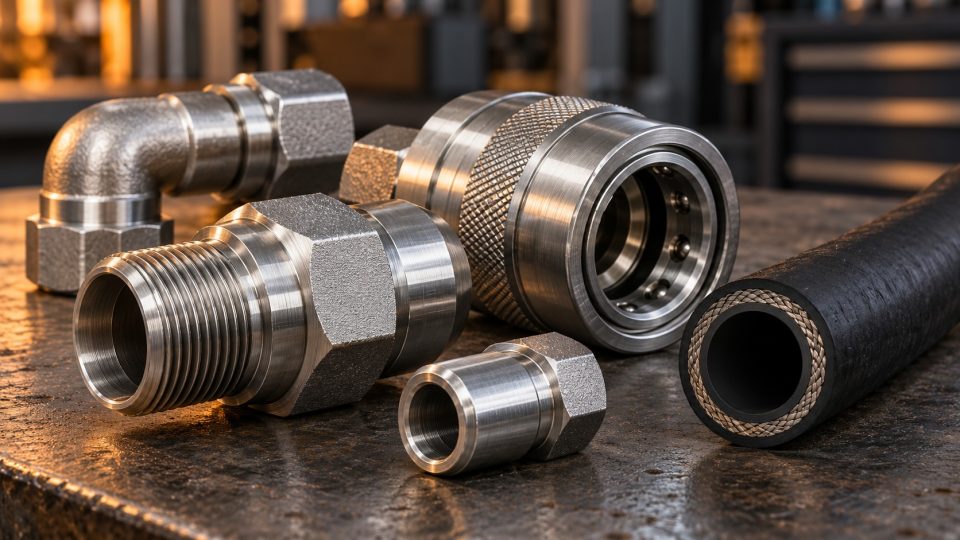
What does DN12 mean?
DN12 is a nominal size designation used in hydraulics. It does not automatically mean that every bore, thread or hose measures exactly 12 mm. Check how the designation...
Read article · 3 min