
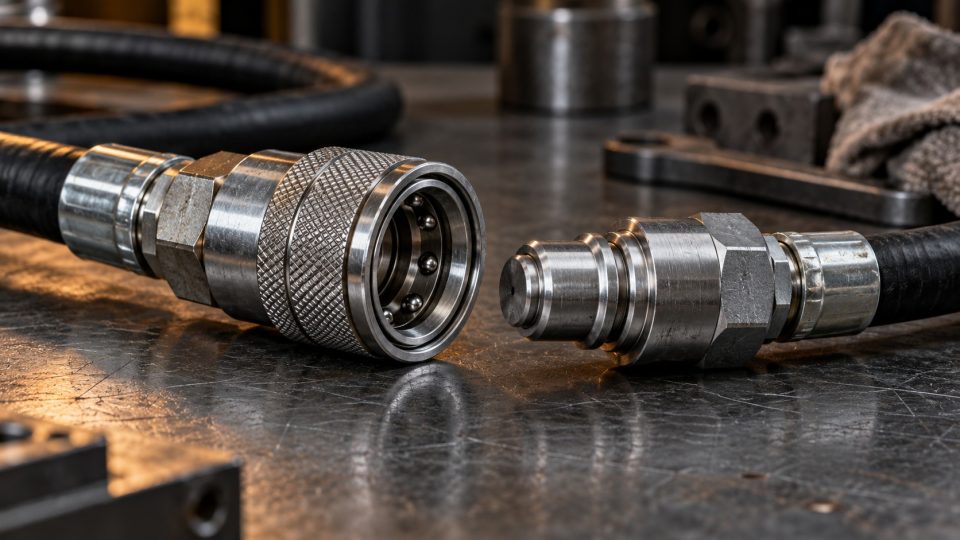
Selecting the right hydraulic quick coupling is essential to hydraulic system safety, performance and reliability. An incorrectly selected quick coupling can cause pre...
Selecting the right hydraulic quick coupling is essential to hydraulic system safety, performance and reliability. An incorrectly selected quick coupling can cause pressure drops, restricted hydraulic oil flow, leaks and premature component wear.
When selecting a hydraulic quick coupling, consider
- nominal diameter DN,
- maximum operating pressure,
- thread type,
- quick-coupling type,
- flow capacity,
- hydraulic system operating conditions.
What is a hydraulic quick coupling?
A hydraulic quick coupling allows hydraulic hoses to be connected and disconnected quickly without tools. This allows quick attachment changes and makes hydraulic machine maintenance easier.
Quick couplings are commonly used in
- agricultural tractors,
- excavators,
- loaders,
- forklift trucks,
- industrial machines.
How to select the quick-coupling size?
Nominal diameter DN is one of the most important parameters.
The most common sizes are
- DN06,
- DN10,
- DN12,
- DN16,
- DN19.
The larger the DN diameter, the greater the possible hydraulic oil flow.
A quick coupling that is too small can cause
- pressure drops,
- restricted flow,
- hydraulic system overheating.
How to select operating pressure?
Every hydraulic quick coupling has a specified maximum operating pressure.
When selecting, make sure this rating is higher than the maximum pressure occurring in the hydraulic system.
Insufficient strength can lead to
- quick-coupling damage,
- oil leaks,
- hydraulic installation failure.
Types of hydraulic quick couplings
Several main types of quick coupling are available on the market
- ISO-A,
- ISO-B,
- Flat Face (non-spill),
- agricultural quick couplings,
- screw-type quick couplings.
ISO-A quick couplings
Most commonly used in power hydraulics and agricultural machines.
Flat Face quick couplings
They have a flat face and minimize leakage when hoses are disconnected.
They are very often used in
- excavators,
- loaders,
- construction machinery.
How to select the quick-coupling thread?
Before buying, check the thread type in the hydraulic installation.
The most common threads
- BSP,
- NPT,
- ORFS,
- JIC,
- metric.
Choosing the wrong thread can prevent quick-coupling installation or cause leaks.
Common mistakes when selecting hydraulic quick couplings
- selecting a DN diameter that is too small,
- failing to consider operating pressure,
- confusing thread standards,
- using different quick-coupling types on the two sides of the connection,
- buying quick couplings with insufficient flow capacity.
Frequently asked questions
What does DN12 mean in a hydraulic quick coupling?
DN12 denotes a nominal flow diameter of approximately 12 mm.
Which quick coupling should you choose for an agricultural tractor?
ISO-A hydraulic quick couplings or agricultural quick couplings meeting the machine manufacturer's requirements are most commonly used.
Are all hydraulic quick couplings compatible?
No. Quick couplings must share the same design standard and have suitable technical specifications.
Why does a quick coupling restrict flow?
The most common cause is a DN size that is too small for the hydraulic system's requirements.
Summary
Selecting the right hydraulic quick coupling requires consideration of DN diameter, operating pressure, thread type and required flow capacity. A correctly selected quick coupling ensures safe, trouble-free hydraulic system operation.
Related articles
- What does DN12 mean?
- How to select a hydraulic hose?
- How to identify a hydraulic thread?
- Types of hydraulic threads
- Common mistakes when selecting hydraulic components
Related products
- ISO-A hydraulic quick couplings
- Flat Face hydraulic quick couplings
- Agricultural quick couplings
- Hydraulic adapters
- Hydraulic hoses
Related articles
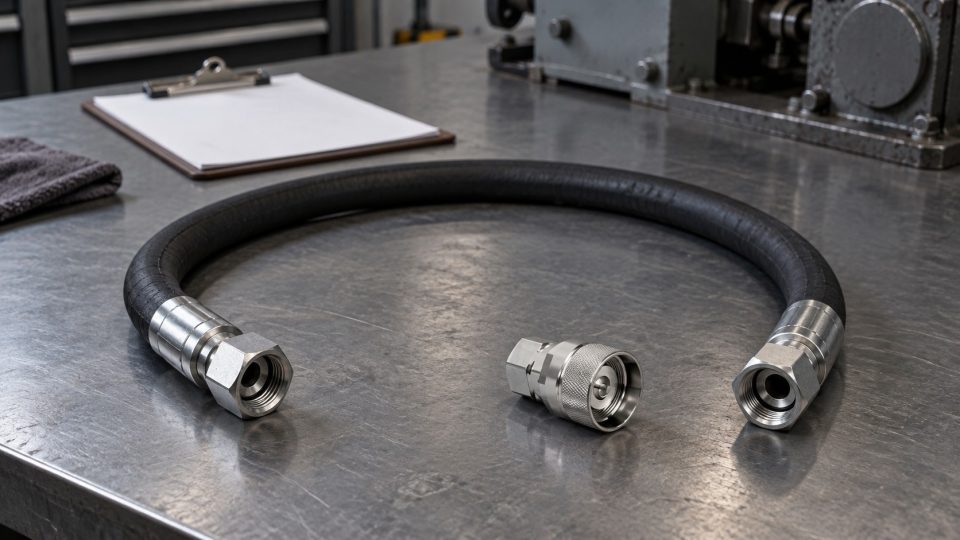
Common mistakes when selecting hydraulics
A matching connection size is not enough when selecting power hydraulic components. Before purchasing, confirm the requirements of the entire connection, including pre...
Read article · 4 min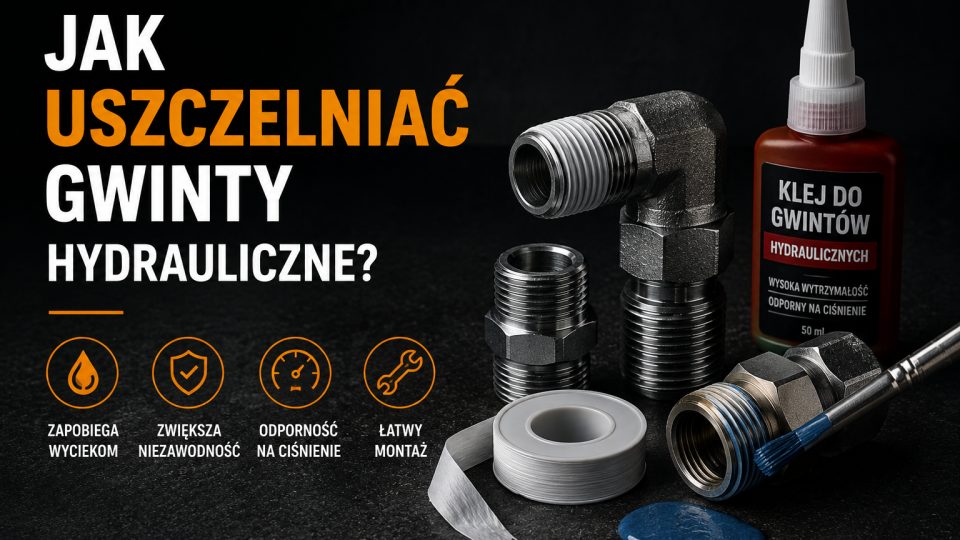
How to seal hydraulic threads?
Correct sealing of hydraulic threads is essential to the leak-tightness and safety of the entire hydraulic system. Inadequate sealing can lead to oil leaks, pressure d...
Read article · 3 min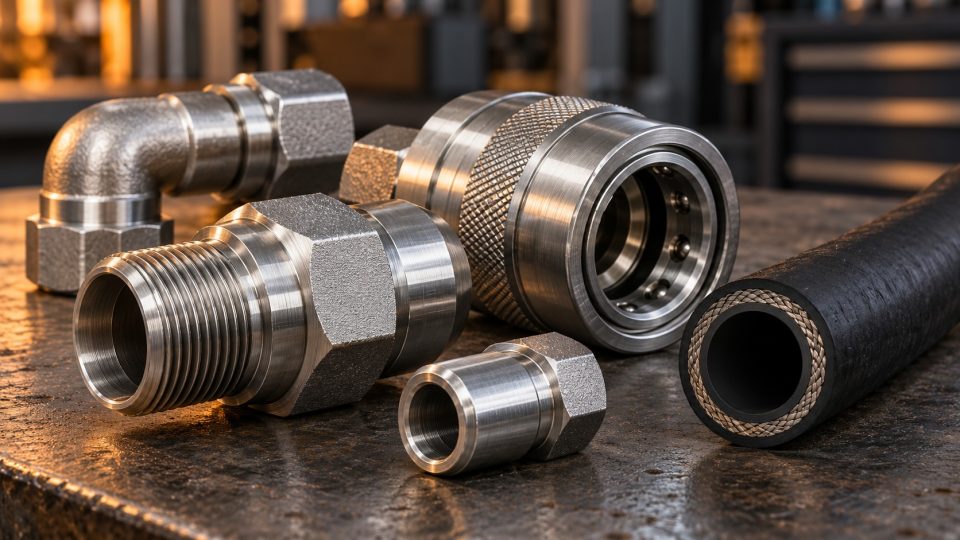
What does DN12 mean?
DN12 is a nominal size designation used in hydraulics. It does not automatically mean that every bore, thread or hose measures exactly 12 mm. Check how the designation...
Read article · 3 min