
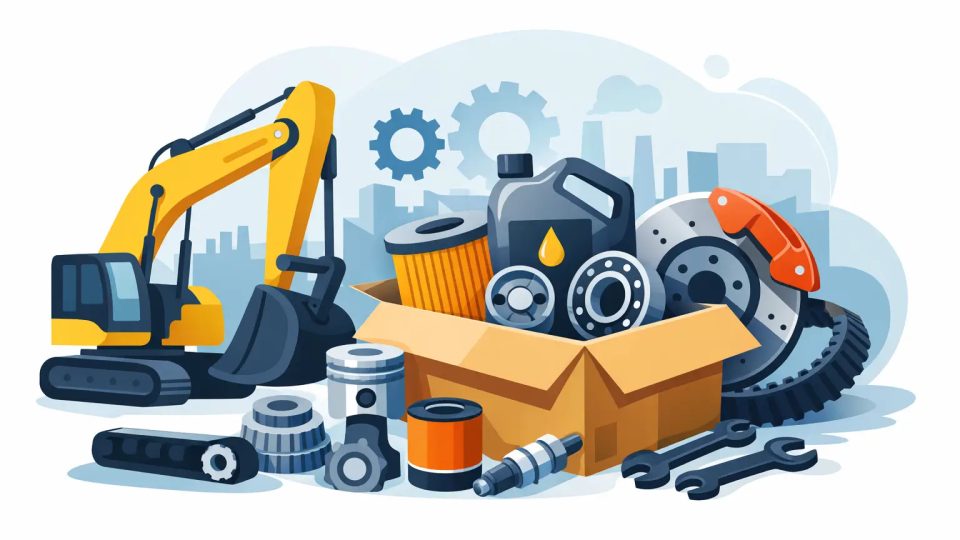
A breakdown rarely comes at a convenient time. The problem usually appears when the line is running, a deadline is approaching and the lack of one bush, clamp, grease ...
A breakdown rarely comes at a convenient time. The problem usually appears when the line is running, a deadline is approaching and the lack of one bush, clamp, grease or fastener stops a larger process. So the question of where to buy machine maintenance parts is not just about price. In practice, it concerns availability, consistent specifications and the ability to order exactly what a workstation, machine or maintenance department needs quickly.
For production plants and workshops, a supply source must work operationally. If the supplier has a broad range, clear categories and understands technical terminology, procurement is shorter. If mounting components, maintenance parts, technical chemicals, cable accessories and occupational safety supplies can all be selected in one place, the customer's number of orders and contacts simply decreases.
Where to buy machine maintenance parts without risking downtime
The safest solution is to buy from a supplier specialising in industrial technical supplies instead of a narrow product group alone. The reason is simple. Machine operation extends beyond one part type. Wear affects auxiliary bearing arrangements, guide components, seals, bolts, washers, clamps, hoses, push-in fittings, lubricants and mounting materials.
If each item is purchased separately, the risk of error increases, order consolidation takes longer and purchasing item records are harder to keep organised. Procurement and maintenance benefit from a model based on one partner supplying many product groups to a consistent service standard.
This does not mean one store will always be best in every category. Very specific OEM components sometimes need ordering directly from the machine manufacturer. For much of everyday industrial purchasing, however, a supplier with a broad range of standard, repeatable maintenance items available from stock or with short lead times works better.
How to assess a maintenance parts supplier
When choosing where to buy, pay less attention to sales slogans and more to working with the range. Technical customers primarily need to confirm quickly that a product suits the application.
The first point is the product description. The data sheet should include parameters, standards, dimensions, material, variants and use. DIN, ISO or other reference standards matter for standardised components. Without them, even a good price offers little because purchasing becomes guesswork.
The second point is category breadth. Routine machine servicing generally needs a complete set rather than one item. In practice, the main part is accompanied by mounting accessories, technical chemicals, guards, clamps, cable terminals or small workshop supplies. A store that lets you complete an order in one place saves time and simplifies logistics.
The third point is ordering. Industry does not always have time for a conventional procurement process handled through forms from start to finish. Quickly adding a missing item, confirming an item code and efficient fulfilment matter. This is why e-commerce suppliers offering simpler contact and ordering channels as well work well.
Machine maintenance parts — what technical departments usually need
Maintenance purchasing covers more than the name often suggests. Many companies include both parts working directly in the system and materials needed to keep equipment running.
These are most often fasteners, machine construction and repair components, seals, plastic components, greases, cleaning and protective products, electrical accessories and auxiliary equipment. Workshops and production also regularly need cable carriers, grommets, cable ties, mounting hardware and small occupational safety items without which servicing cannot be completed either.
This matters for one reason. If the supplier limits its range to one group, the customer must still find the rest elsewhere. The number of documents, deliveries, settlements and compatibility enquiries increases. Operationally, purchasing from a supplier who understands the whole maintenance context is better than one focused on a single product.
When price matters and when availability is more important
Price always matters, particularly for recurring purchases and larger volumes. Problems start when a low price means a long delivery time, incomplete description or subsequently replacing an incorrectly selected component. The saving is then only apparent.
Planned inspections allow broader offer comparisons and negotiation. For a breakdown or downtime risk, time becomes the priority. When a machine stops, a few percent difference in part price generally loses out to production downtime costs.
A sensible purchasing model therefore uses two criteria together. For standard, regularly consumed items, build a list of proven item codes and a supplier offering consistency. For less typical items, price options can also be analysed without abandoning technical parameter checks.
Where to buy machine maintenance parts online
Online industrial purchasing is no longer supplementary. It is often the main channel for replenishment and order planning in production, maintenance and workshops. There is one condition. The sales platform must be designed for technical customers.
A good online purchasing environment allows searches by product name, standard, dimensions and application. It also helps compare variants without contacting service every time. This saves many companies real time because buyers do not need to enquire separately about every small item.
In practice, a store combining a broad range with a simple ordering path works best. Fast contact and alternative order methods also make sudden needs easier to meet. This is especially convenient for regular customers wanting to reorder specific item codes without unnecessary steps.
This is the direction taken by the Neron store, an industrial purchasing resource combining a broad portfolio of technical categories with convenient online ordering and solutions useful in operational departments' daily work.
What to watch for when buying maintenance parts
The most common mistake is buying by a common name alone. The same name may cover several material, dimensional or mounting variants. Without checking the standard, diameter, length, tolerance or operating conditions, a part may only appear to fit.
Another risk is a lack of customer-side standardisation. If a company uses different names for the same component and buys without consistent item codes, mistakes are easy. Organise bills of materials, stock designations and order histories to make subsequent purchasing faster and more predictable.
A third problem is dividing purchases among too many suppliers. Price comparison may initially make this look beneficial, but later it complicates consolidation and slows response. For a company regularly needing a broad range of technical products, a consolidated model can be more efficient.
How to buy faster and more accurately
Combining technical knowledge with simple purchasing organisation gives the best results. Start by identifying regularly consumed product groups that create downtime risk. Then prepare a list of verified parameters, equivalents and minimum stock levels.
When selecting a supplier, check range completeness, description clarity and contact flexibility. This is especially important if several people buy, such as a mechanic, electrician, buyer or workshop owner. A simpler selection and ordering system reduces the risk of error.
The question of where to buy machine maintenance parts should therefore mean more than choosing the lowest-priced store. A well-selected supplier organises procurement, shortens response times and helps maintain continuous operation without unnecessarily scattering orders. In production, this generally offers more advantage than a one-off saving on one item.
Related articles
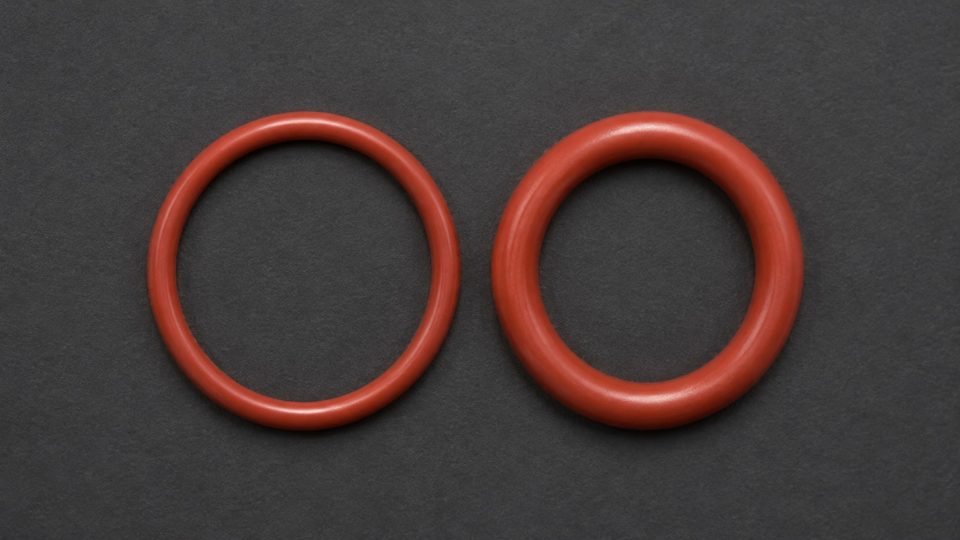
O-ring 24 mm na zewnątrz — jak odróżnić 20 × 2 od 18 × 3?
Jeśli O-ring ma około 24 mm średnicy zewnętrznej, zmierz jeszcze jego otwór i grubość przekroju. Nominalnie zarówno 20 × 2 mm, jak i 18 × 3 mm dają 24 mm na zewnątrz. ...
Read article · 3 min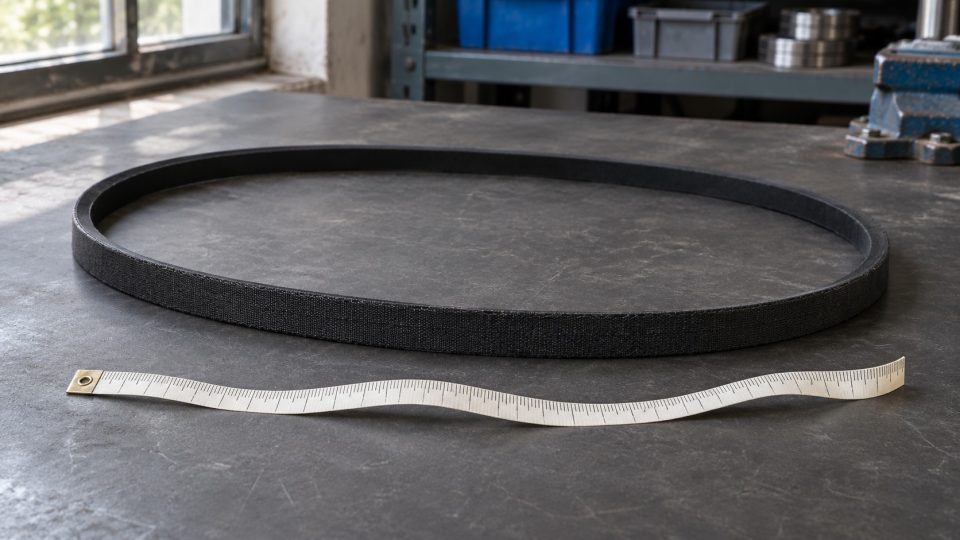
Pasek klinowy Li, Ld czy La — którą długość podać przy zakupie?
W zamówieniu paska klinowego podaj profil, liczbę określającą długość i jej symbol. Sam zapis „1000 mm” pozostawia pytanie: chodzi o obwód wewnętrzny, zewnętrzny czy d...
Read article · 3 min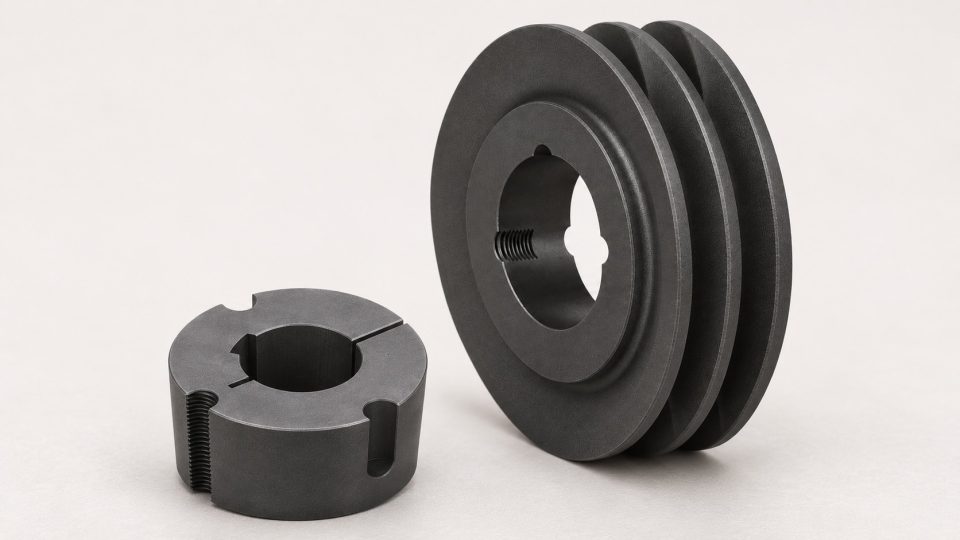
Tuleja Taper Lock 1610/25 — jak dobrać ją do wału i koła pasowego?
Masz wał o średnicy 25 mm i szukasz tulei do koła pasowego? Zacznij od sprawdzenia gniazda w piaście koła. Jeżeli koło jest przewidziane pod tuleję 1610, a wał ma nomi...
Read article · 3 min