

A loose bolt in a gearbox, pump or motor housing rarely gives a second chance. Under vibration, changing loads or oil contact, tightening torque alone is often insuffi...
A loose bolt in a gearbox, pump or motor housing rarely gives a second chance. Under vibration, changing loads or oil contact, tightening torque alone is often insufficient. The question is then how to select a threadlocker that keeps the joint durable but serviceable where needed.
Selection should not begin with brand or packaging colour. Four factors matter, whether disassembly is required, thread diameter, assembly operating conditions and surface preparation. This is not a universal assembly additive. It is joint protection selected for a specific task.
How to select threadlocker for a specific application
The most common mistake is treating it as a precautionary extra. Too weak a product will not secure the joint, while too strong a product hinders disassembly and can lengthen service. The basic division is low, medium and high strength.
Low strength suits small screws and frequent disassembly, for example adjusting screws, small instrument joints or regularly adjusted parts. Medium strength is most common in maintenance and workshops, preventing self-loosening while allowing disassembly with standard tools. High strength is intended for permanent joints resisting strong vibration or heavy loads. Disassembly may require heating.
A strong adhesive is generally not best for a joint regularly dismantled during inspections. But critical mounting bolts whose loosening could stop a machine should not economise on locking strength either.
Key selection parameters
Consider viscosity as well as stated strength. Lower-viscosity products penetrate fine threads and close-fitting joints more easily. Thicker products suit larger gaps and diameters and more controlled application.
Operating temperature range also matters. A machine housing on the shop floor differs from a bolt near an exhaust, pump or hot electric motor. Above typical operating temperatures, an ordinary product may lose properties sooner than assembly conditions suggest.
Chemical resistance is another factor. Oils, fuels, cleaning agents and coolants are not always harmless to a joint. In industry this is everyday exposure. Check product suitability when process chemicals or service products contact the assembly.
Do not overlook curing time. Some assemblies can wait for full cure, but emergency work needs fast initial fixing and predictable full-strength time. Maintenance often values this as much as adhesive strength.
Thread material and surface condition matter
Threadlockers cure under specific conditions, so the joined materials affect the result. Steel-to-steel behaves differently from steel paired with passivated, zinc-coated or stainless components. Less active metals can extend curing time, often overlooked during assembly.
Thread cleanliness is crucial too. Oil, grease, dust or old locking residue significantly reduce effectiveness. Even a good adhesive will not work correctly on dirt. Workshop haste and production or field-service conditions often cause this.
Adhesive alone will not solve worn threads, large play or damaged geometry. It may reduce loosening risk but cannot replace a mechanically sound connection. This matters especially in older machines where chemical products are used instead of repairing wear.
When to choose medium or high strength
The boundary between medium and high strength causes most purchasing uncertainty. If a bolt secures a guard, bracket, cover or regularly serviced part, medium strength is generally safer. It permits planned disassembly without risking bolt breakage or socket damage.
Consider high strength where the joint will stay closed for a long time and loosening could cause failure or costly downtime, including strong vibration, shocks and changing loads. Accept that servicing will be harder and may require heating.
If uncertain, start with the disassembly scenario rather than maximum strength. In industry, “too strong” can cost more than “strong enough”.
Small and large threads — one adhesive does not always behave identically
Thread diameter affects product behaviour and actual locking strength. Small screws generally need less aggressive locking than larger fasteners. High strength can effectively prevent small-thread disassembly, while too weak a product may not stabilise large diameters adequately.
Also account for assembly clearance. Larger diameters and tolerances make viscosity selection more important. The product should fill the working gap without hindering application or flowing excessively beyond the joint.
Application determines effectiveness
Even the right product can be misused. Clean threads, dry surfaces and the correct amount on working threads should be standard. Too little prevents full contact. Excess does not improve strength and generally just soils the part and surroundings.
Through-bolt application differs somewhat from blind holes. In blind holes, ensure even distribution rather than pushing all product to the bottom. Allow initial setting before loading the joint.
If the assembly must work immediately, consider actual curing time under the conditions present. Low ambient temperature, passive surfaces or oil residue can extend it.
Common threadlocker selection mistakes
Problems generally begin with wrong assumptions rather than the product. Some choose maximum strength as a reserve, others the cheapest product assuming all work similarly. Both approaches are risky.
Another common mistake is ignoring operating conditions. Vibration, oil and temperature cannot be assessed like an ordinary bolt in a dry environment. Third is missing surface preparation, an integral part of technical chemical application.
Production and service purchasing should avoid arbitrary product changes without standardisation. Assign each adhesive type to specific applications. This simplifies ordering, stock decisions and assembly.
A practical approach to selection
Start with a short task assessment. Will the joint be dismantled? What is its diameter? Does it experience vibration, oil or elevated temperature? Is the thread clean and sound? These four questions reject most unsuitable options.
Workshops and maintenance benefit from keeping at least two proven variants, medium strength for typical service joints and stronger for critical locations. This practical division reduces using one product for everything. A technical range such as the Neron store's allows selection by application rather than product name alone.
A well-selected threadlocker attracts no attention during assembly. Its value appears later when the joint does not loosen in operation or complicate servicing more than the application requires.
Related articles
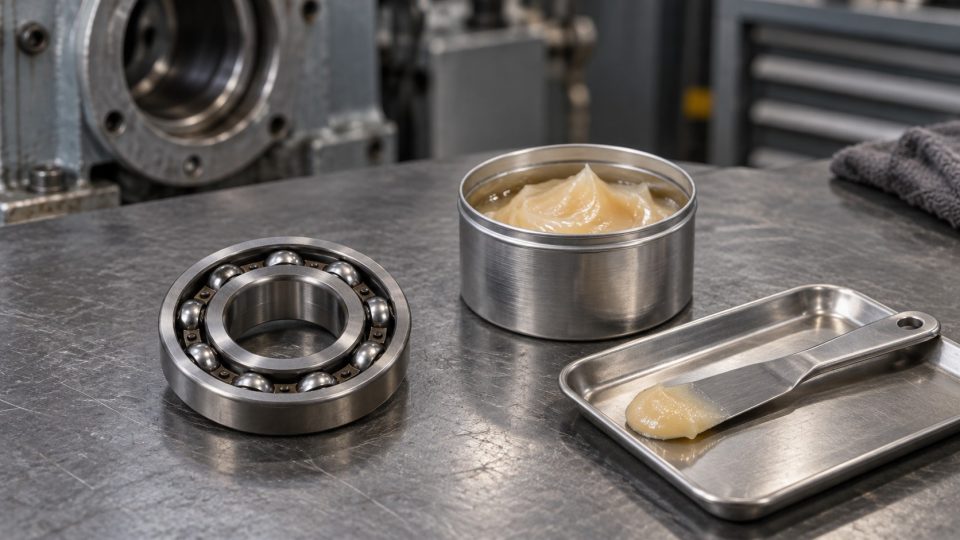
Bearing grease — how to choose the right product
Bearing grease is selected according to machine requirements and operating conditions, not solely by “NLGI 2” on the packaging. Check consistency, base-oil viscosity, ...
Read article · 4 min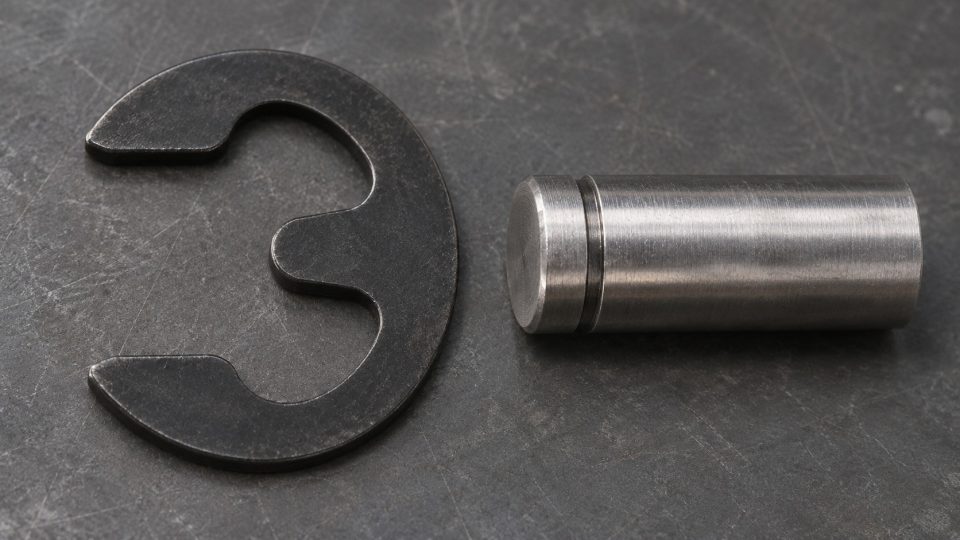
Płytka osadcza DIN 6799 — co oznacza rozmiar 8 mm?
Jeśli wymieniasz płytkę osadczą DIN 6799, sprawdź najpierw średnicę na dnie rowka. W oznaczeniu DIN 6799–8 liczba 8 odnosi się do nominalnej średnicy rowka d₂. Średnic...
Read article · 3 min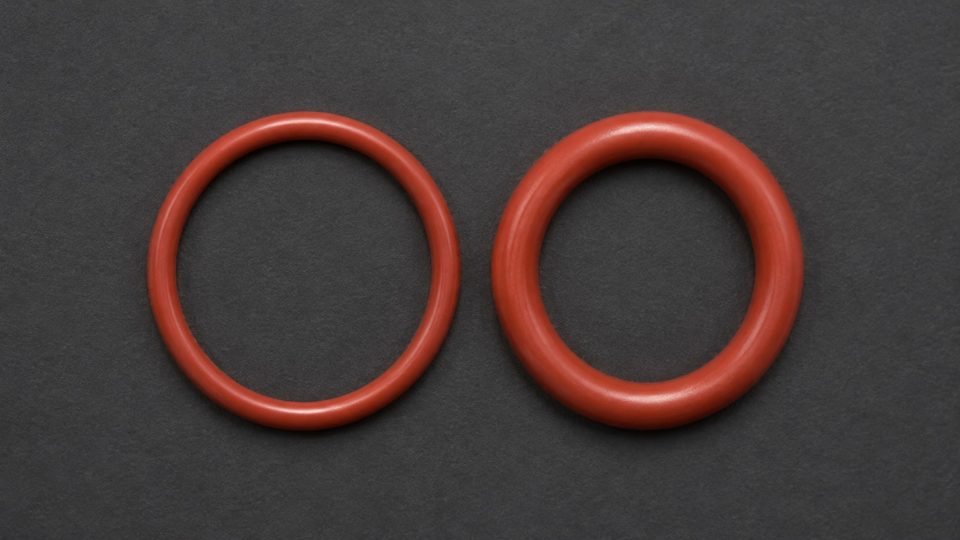
O-ring 24 mm na zewnątrz — jak odróżnić 20 × 2 od 18 × 3?
Jeśli O-ring ma około 24 mm średnicy zewnętrznej, zmierz jeszcze jego otwór i grubość przekroju. Nominalnie zarówno 20 × 2 mm, jak i 18 × 3 mm dają 24 mm na zewnątrz. ...
Read article · 3 min