
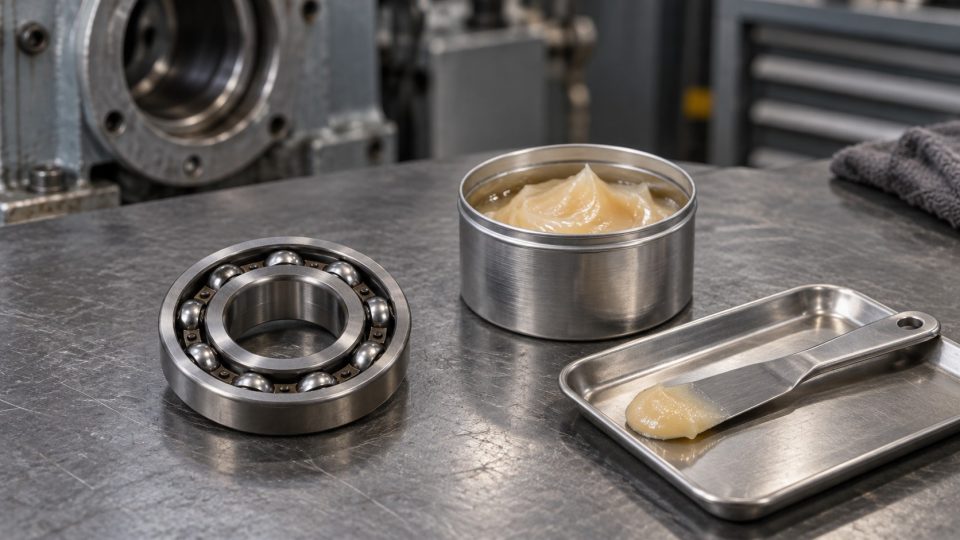
Bearing grease is selected according to machine requirements and operating conditions, not solely by “NLGI 2” on the packaging. Check consistency, base-oil viscosity, ...
Bearing grease is selected according to machine requirements and operating conditions, not solely by “NLGI 2” on the packaging. Check consistency, base-oil viscosity, temperature, load requirements and compatibility with the previous lubricant separately. Two greases of the same NLGI grade may have different properties and need not be interchangeable.
What information should you collect before choosing grease?
Start with the machine manual, bearing-arrangement documentation or approved lubrication specification. Prepare:
- The bearing and assembly designation and the name of the grease previously used.
- Rotational speed and load, including shocks and vibration where present.
- Temperature at the lubrication point during operation and start-up; an ambient-temperature reading alone does not describe all conditions.
- Environment: contact with water, washing, dust and corrosion-protection requirements.
- The grease delivery method and lubrication-system requirements.
If the required viscosity or information about an approved product is missing, do not replace it with a default choice of “universal NLGI 2”. First establish the requirements for the specific lubrication point.
NLGI and base-oil viscosity — two different pieces of information
The NLGI grade describes grease consistency, meaning its softness or hardness in a specified test. Base-oil viscosity describes the oil's resistance to flow and is stated, among other units, in mm²/s at a specified temperature. “NLGI 2” does not mean a viscosity of 2 mm²/s or higher product quality.
Compare viscosities stated at the same temperature, for example 40°C. Values at 40°C and 100°C are not interchangeable expressions of the same result. Do not directly apply a catalogue viscosity at 40°C to the actual temperature of a running bearing either.
The following example uses two SKF data sheets: LGMT 2 from May 2025 and LGEP 2 from January 2024. It compares manufacturer specifications, not the availability of both products or a recommendation to substitute one for the other.
Parameter: NLGI consistency grade
- SKF LGMT 2: 2
- SKF LGEP 2: 2
Parameter: Base-oil viscosity at 40°C [mm²/s]
- SKF LGMT 2: 110
- SKF LGEP 2: 200
Parameter: Base oil
- SKF LGMT 2: Mineral
- SKF LGEP 2: Mineral
Parameter: Thickener
- SKF LGMT 2: Lithium
- SKF LGEP 2: Lithium
Parameter: Operating temperature range stated in the data sheet [°C]
- SKF LGMT 2: −30 to +120
- SKF LGEP 2: −20 to +110
Parameter: DIN 51825 code stated in the data sheet
- SKF LGMT 2: K2K-30
- SKF LGEP 2: KP2G-20
Both have NLGI 2, but their base-oil viscosities at 40°C and declared temperature ranges differ. Do not choose a grease solely by a shared number, oil type or thickener. Data-sheet figures are typical values; order requirements must be related to the appropriate specification.
Operating temperature versus dropping point
The dropping point is not the bearing's maximum operating temperature. It is a parameter obtained in a specified grease test. Suitability in operation depends on the properties of the complete formulation and the application conditions.
In both cited data sheets, the dropping point is above 180°C, but the stated operating ranges end at +120°C and +110°C respectively. This does not approve operation at 180°C. The upper operating-range limit is also no guarantee of any arbitrary service life or unchanged relubrication interval.
Can greases with the same NLGI grade be mixed?
The same NLGI grade does not confirm mixture compatibility. A similar colour or thickener-type name is not enough either. When changing lubricant, check the compatibility of the specific products, not just their general group.
Incompatibility can cause excessive softening, hardening or oil separation. If the existing grease is unknown, do not top it up with a random substitute. Establish the changeover procedure with the lubricant and machine manufacturers; do not automatically assume that pumping it into the existing fill is sufficient.
An example of checking two parameters before purchase
For the purposes of this example only, assumethat the machine specification requires NLGI 2 and a base-oil viscosity of 200 mm²/s at 40°C. This is not a universal recommendation for all bearings.
- LGMT 2 meets the consistency requirement, but its 110 mm²/s does not match the assumed viscosity requirement.
- LGEP 2 matches both specified parameters, but this is only an initial selection.
- Temperature, load requirements, water and corrosion protection, material compatibility and the feasibility of changing from the previous lubricant still need to be compared.
Meeting two table entries does not approve a substitute. Full selection is based on the specific documentation and bearing conditions.
What should you send to NERON for grease selection?
In your enquiry, provide the machine and bearing designation, previous product, manual requirements and available data on speed, load, temperature and environment. State whether you need the same lubricant or a substitute assessment. If some information is unknown, identify what is missing rather than adding assumed values.
Browse greases in NERON's range, and provide the requirements of your specific application via NERON's grease-selection contact page. A product's presence in the category does not mean it is suitable for every bearing.
This guide covers product selection. Quantity, frequency and application procedure are discussed separately in the article how to lubricate bearings.
Related articles

Threadlocker — how to select the right product
A loose bolt in a gearbox, pump or motor housing rarely gives a second chance. Under vibration, changing loads or oil contact, tightening torque alone is often insuffi...
Read article · 5 min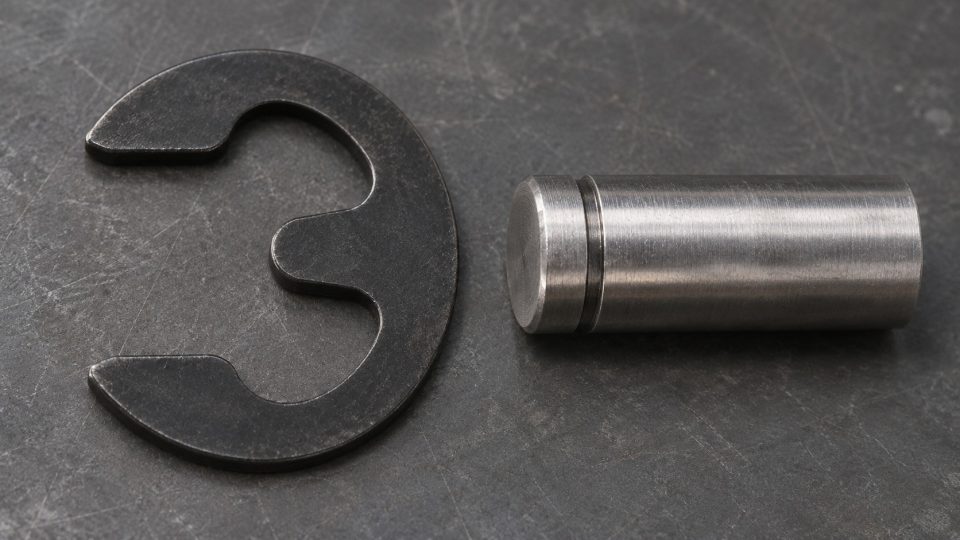
Płytka osadcza DIN 6799 — co oznacza rozmiar 8 mm?
Jeśli wymieniasz płytkę osadczą DIN 6799, sprawdź najpierw średnicę na dnie rowka. W oznaczeniu DIN 6799–8 liczba 8 odnosi się do nominalnej średnicy rowka d₂. Średnic...
Read article · 3 min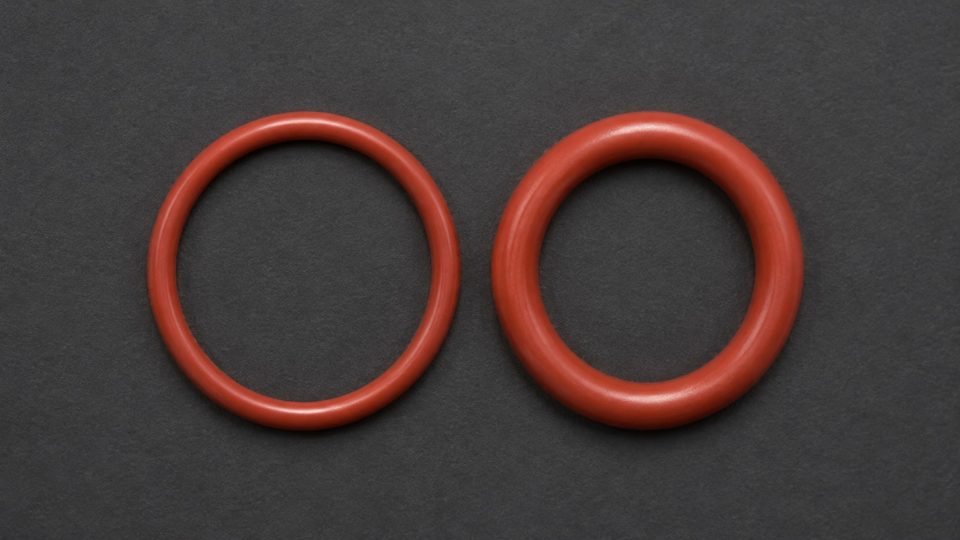
O-ring 24 mm na zewnątrz — jak odróżnić 20 × 2 od 18 × 3?
Jeśli O-ring ma około 24 mm średnicy zewnętrznej, zmierz jeszcze jego otwór i grubość przekroju. Nominalnie zarówno 20 × 2 mm, jak i 18 × 3 mm dają 24 mm na zewnątrz. ...
Read article · 3 min