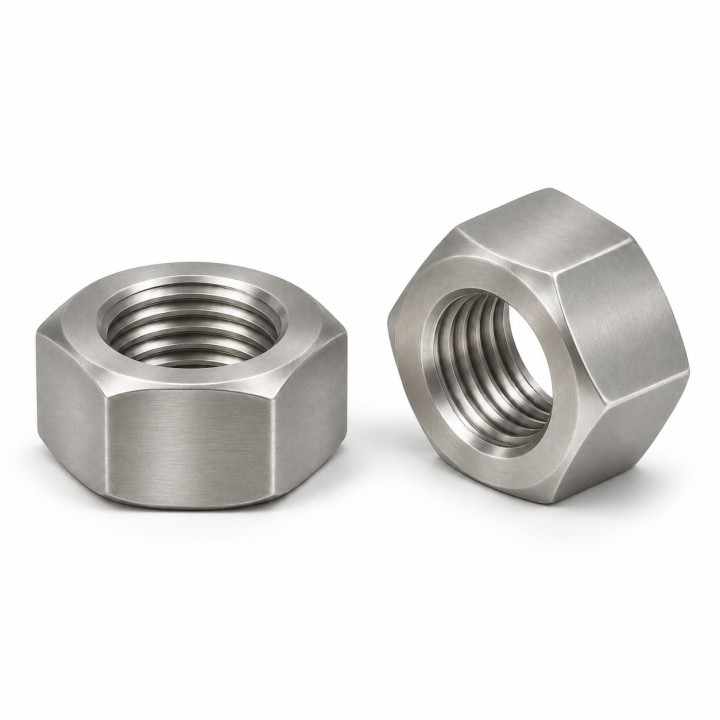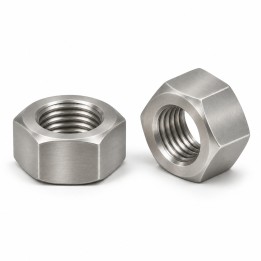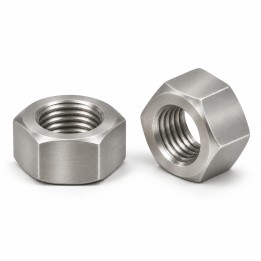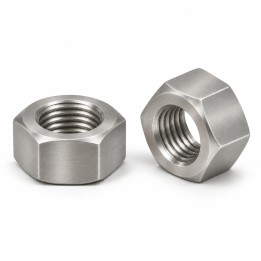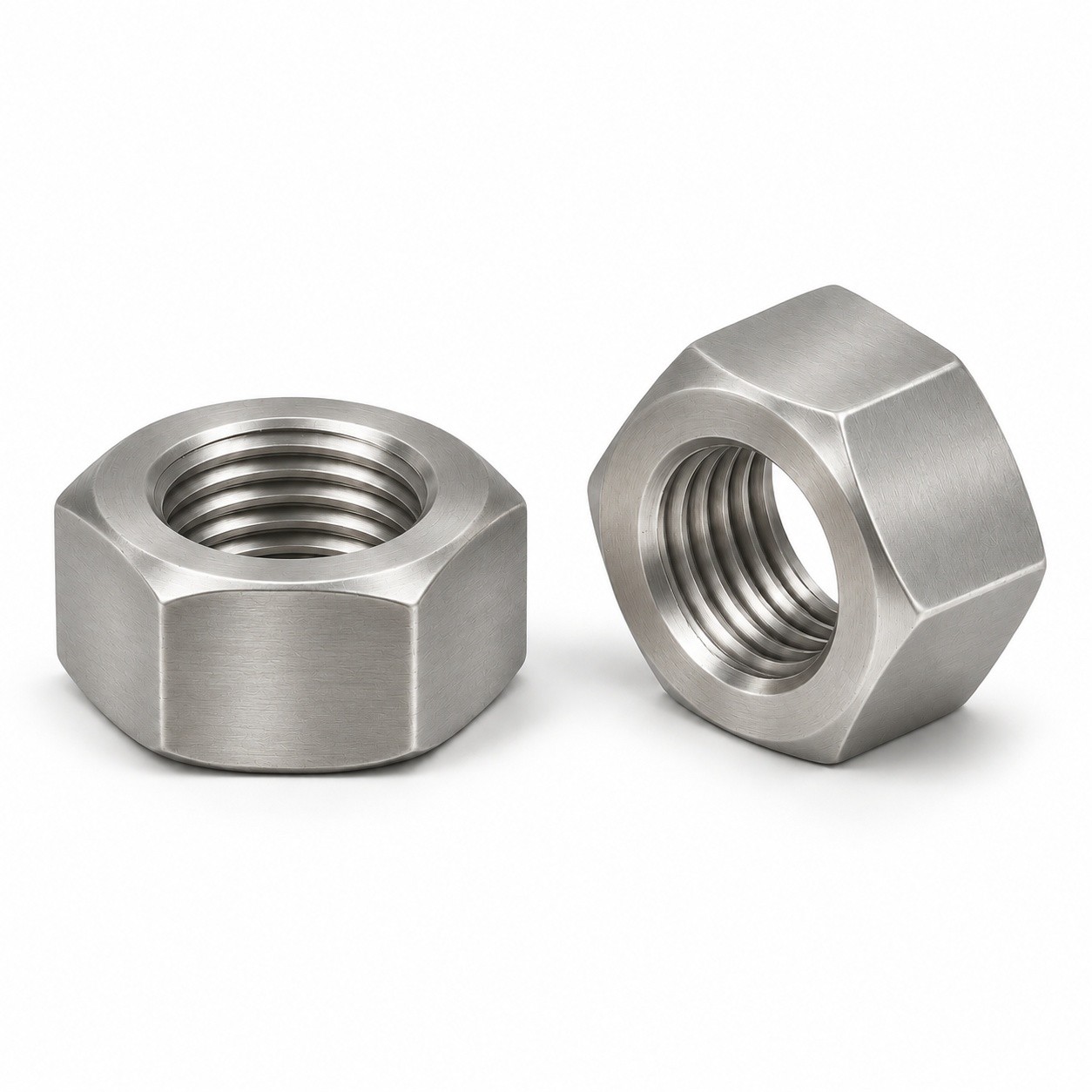
Stainless steel nuts M12x1,5 A2-70 DIN 934 5 pcs.
M12×1,5 DIN 934 hexagon nuts in stainless steel A2-70, uncoated. Width across flats 19 mm, height 10 mm (catalogue dimension). Price for a pack of 5 pieces.

Stainless steel nuts M12×1,5 A2-70 DIN 934 — 5 pcs.
Hexagon nuts with a through, right-hand metric fine thread M12×1,5. Stainless steel A2-70, surface without an additional coating.
Technical specifications
- Product type: Regular hexagon nut
- Standard: DIN 934
- Material: Stainless steel
- Material group: A2
- Property class: 70
- Material and class designation: A2-70
- Mechanical properties — reference: DIN 267-11
- Surface: Uncoated
- Thread diameter: M12
- Thread pitch: 1,5 mm
- Thread type: Metric fine
- Thread direction: Right-hand
- Thread tolerance: 6H
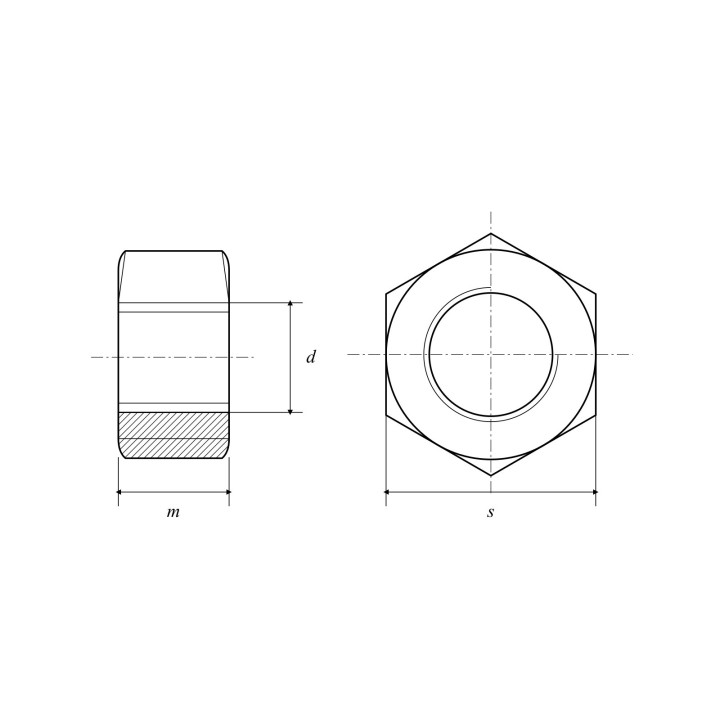
- Nut height m: 10 mm (catalogue dimension)
- Spanner size s: 19 mm — nominal
- Pack quantity: 5 pcs.
- Sales unit: pack

Selection for the joint
Match the M12×1,5 thread to the bolt or threaded rod. The choice of nut material and property class should account for the joint requirements and operating conditions.

Dimensions and drawing references
d — M12 thread, nominal diameter 12 mm, tolerance 6H.
P — thread pitch 1,5 mm.
m — nut height 10 mm (catalogue dimension).
s — nominal width across flats 19 mm.
Scope of supply
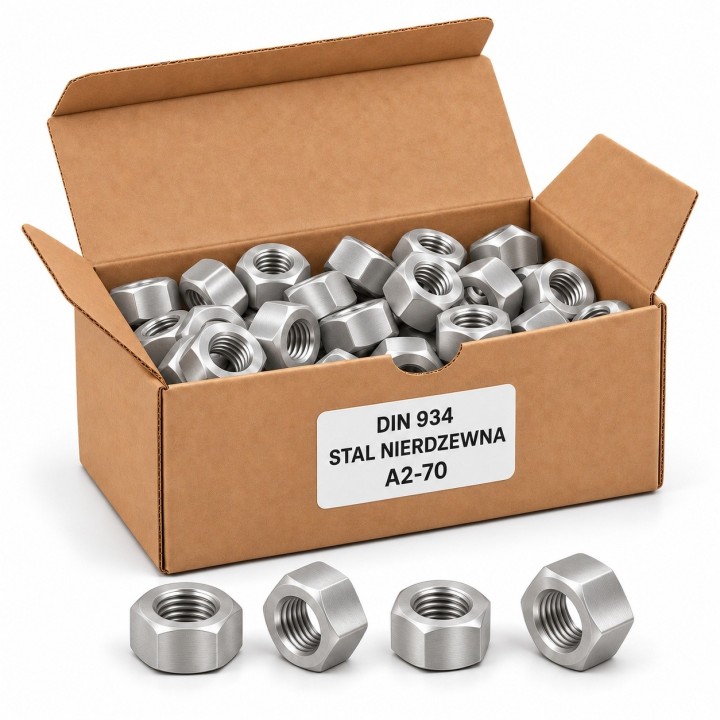
The offer includes 5 pcs. M12×1,5 DIN 934 A2-70 nuts. The product and box illustrations are indicative.
Frequently asked questions
How many nuts does the price cover?
The price covers a pack of 5 pieces.
What thread does this variant have?
Metric fine thread M12×1,5, right-hand, tolerance 6H.
Which spanner fits the nut?
The nominal width across flats is 19 mm. The nut height is 10 mm (catalogue dimension).
What does A2-70 mean?
A2 specifies the stainless steel group, and 70 the nut property class.

-
StandardDIN 934
-
Sales unitpack
-
MaterialStainless steel
-
Thread typeMetric fine
-
Thread directionRight-hand
-
Quantity per pack5 pcs
-
Thread pitch1,5 mm
-
Wrench size s19 mm — nominal
-
Product typeStandard hexagon nut
-
Thread tolerance6H
-
Thread diameterM12
-
Mechanical property class70
-
Material groupA2
-
Mechanical properties — referenceDIN 267-11
-
SurfaceBez powłoki
-
Nut height m10 mm (wymiar katalogowy)
-
Oznaczenie materiału i klasyA2-70
1. Eye protection:
– Always wear safety goggles or a face shield to protect your eyes from sparks, particles and metal fragments.
2. Hearing protection:
– When working in a noisy environment, use ear defenders or earplugs to prevent hearing damage.
3. Respiratory protection:
– When working in dusty surroundings or in the presence of fumes, wear a filtering mask or an appropriate respirator.
– Ensure proper ventilation of the workstation.
4. Hand and skin safety:
– Use protective gloves that protect against mechanical injuries and chemicals.
– Where necessary, use protective creams to prevent irritation and dry skin.
5. Work clothing:
– Work in protective clothing resistant to sparks and splashes.
– Avoid loose clothing, jewellery and loose hair near machinery.
6. Fire risk:
– Keep the workstation free of flammable materials (e.g. paper, fabrics and chemicals).
– Keep a serviceable fire extinguisher close at hand and know how to use it.
7. Electrical hazards:
– Check the condition of cables and electrical equipment before use.
– Do not use electrical devices in damp conditions.
– Disconnect equipment from the power supply during maintenance or repairs.
8. Use of machinery and tools:
– Regularly inspect the technical condition of machines and tools.
– Use equipment in accordance with the manufacturer's instructions.
– Blades and tools should be maintained regularly and kept in good condition.
– Machines should be fitted with appropriate guards and protective devices.
9. Handling materials:
– Use handling equipment to move heavy components.
– Lift and carry using ergonomic practices to avoid injury.
10. Working with chemicals:
– Store chemicals in labelled, safe containers.
– Use substances in accordance with the manufacturer's instructions and occupational health and safety rules.
– Ensure air circulation when using chemicals.
Other important rules:
– Keep the workstation clean and tidy.
– Ensure adequate lighting in the working area.
– Provide occupational health and safety training.
– Carry out regular safety audits and comply with current regulations.

Comments (0)
Your review appreciation cannot be sent
Report comment
Report sent
Your report cannot be sent