C45 round bar h6 — Ø12 mm, length 1000 mm
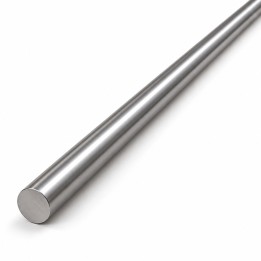
Solid steel bar with a ground and polished outside surface. The offered section has a nominal diameter of 12 mm and a length of 1000 mm. The h6 designation refers to diameter tolerance.
Select dimensions — C45 h6 bar
1. Diameter d [mm]
2. Length L
Technical specifications
| Product type | Solid round bar |
|---|
| Material | C45 steel |
|---|
| Surface | Ground and polished |
|---|
| Diameter d | 12 mm |
|---|
| Diameter tolerance | h6 — deviations +0 / −0,011 mm |
|---|
| Minimum diameter | 11,989 mm |
|---|
| Maximum diameter | 12,000 mm |
|---|
| Tolerance zone width | 0,011 mm (11 µm) |
|---|
| Length L | 1000 mm |
|---|
| Length cutting tolerance | ±2 mm |
|---|
| Sales unit | 1 piece |
|---|
| Dimensions of one piece | Ø12 × 1000 mm |
|---|
| Theoretical section mass | approx. 0,888 kg |
|---|
| Historical standard designation | DIN 59361:1981-10 — standard changes are described below |
|---|
For nominal diameter Ø12 mm, the upper deviation es = 0 mm and the lower deviation ei = −0,011 mm. The permissible diameter is 11,989–12,000 mm. The numerical value of tolerance h6 depends on the diameter range; the specified deviations apply to this Ø12 mm product page.
The theoretical mass was calculated from the nominal dimensions of the solid bar using an assumed steel density of 7850 kg/m³. It is an indicative value, excluding packaging; it is not a weighing result.
Bar surface and cross-section

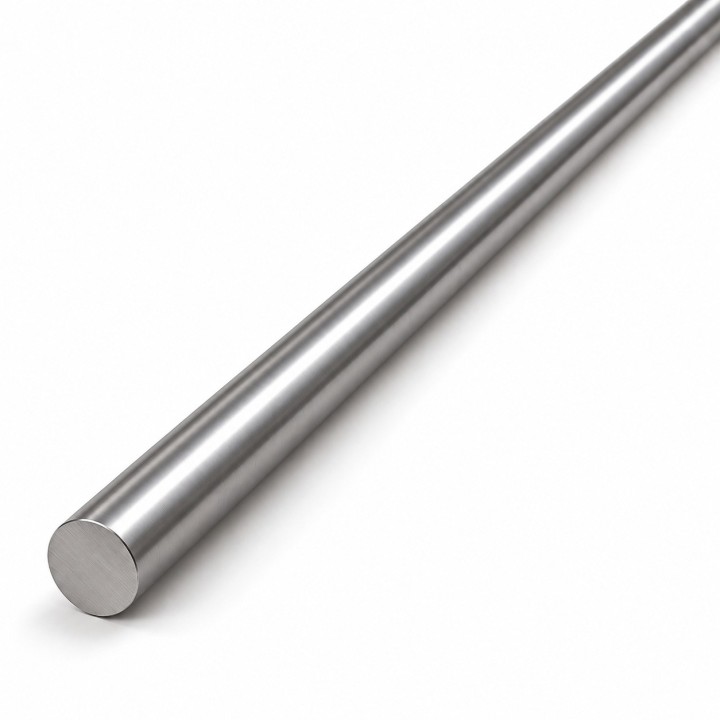
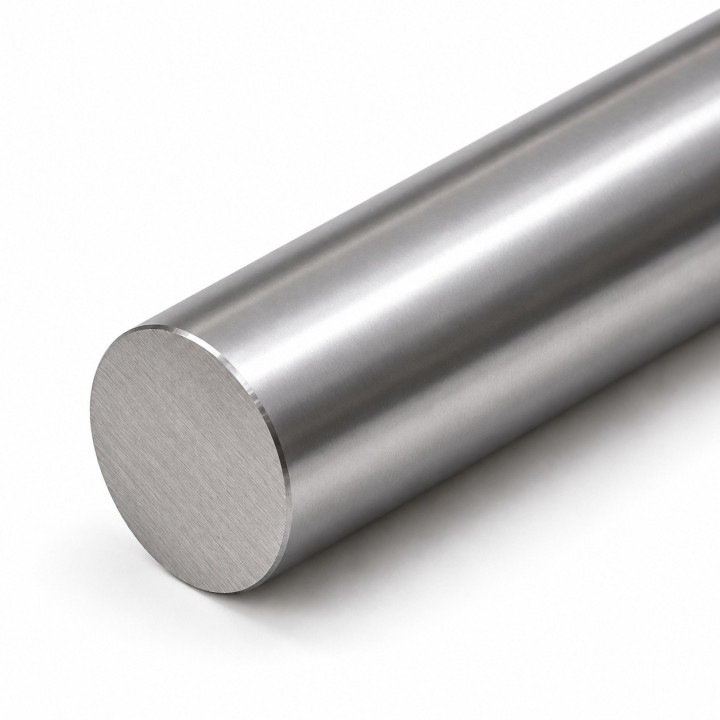
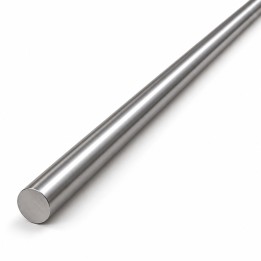
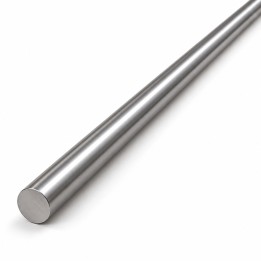
The graphic gives an indicative view of the ground and polished surface and the solid bar cross-section. It is neither a surface roughness measurement nor confirmation of heat treatment.
Drawing and dimensional symbols
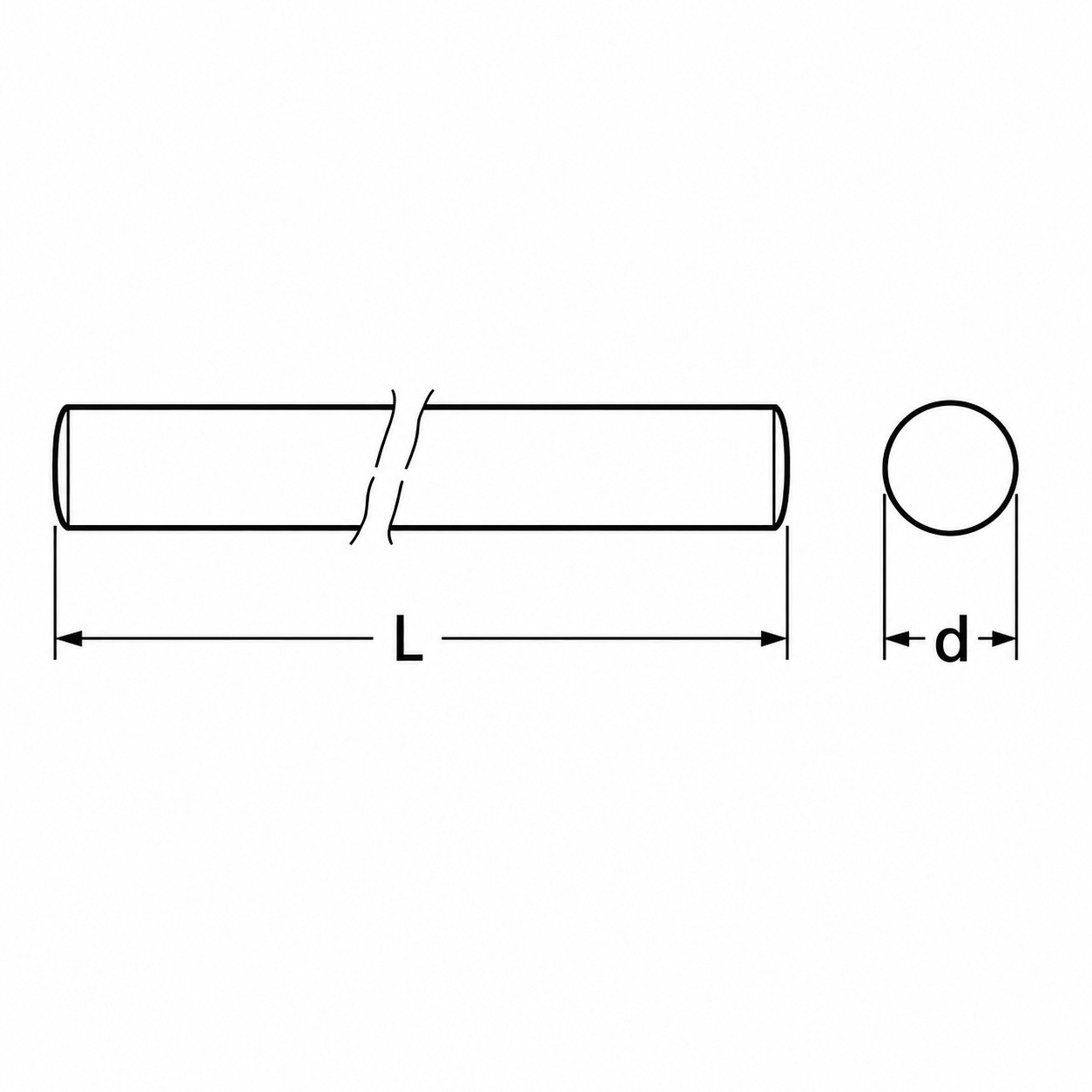
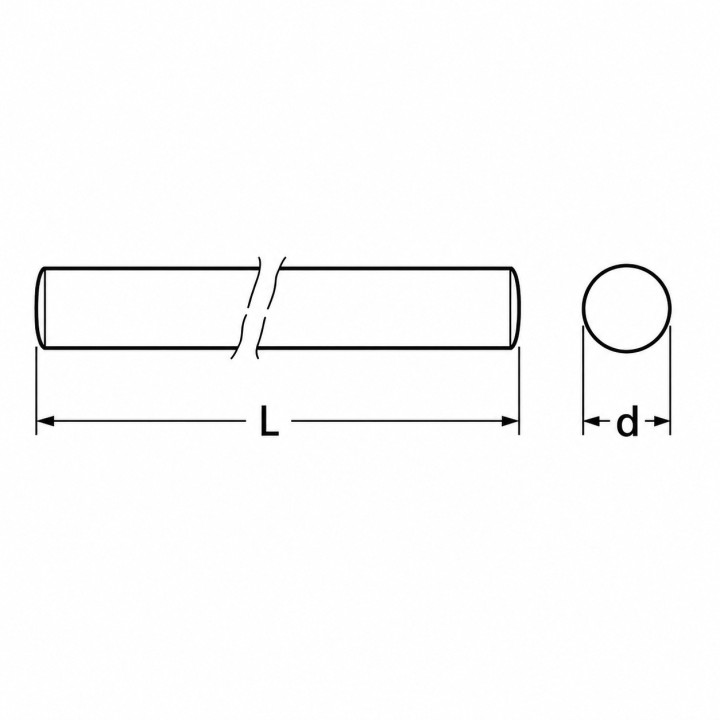
The symbol d denotes the bar diameter and L the section length. For this page, d = 12 mm and L = 1000 mm. The diagram is illustrative and is not drawn to scale.
C45 steel — a brief material description
C45 is a non-alloy medium-carbon steel with a nominal carbon content of approximately 0,45%. It is used for shafts, axles, pins and other machine parts; it can be quenched and tempered. The properties and heat-treatment condition of a specific section are defined by the material documentation.
Preparation and cutting
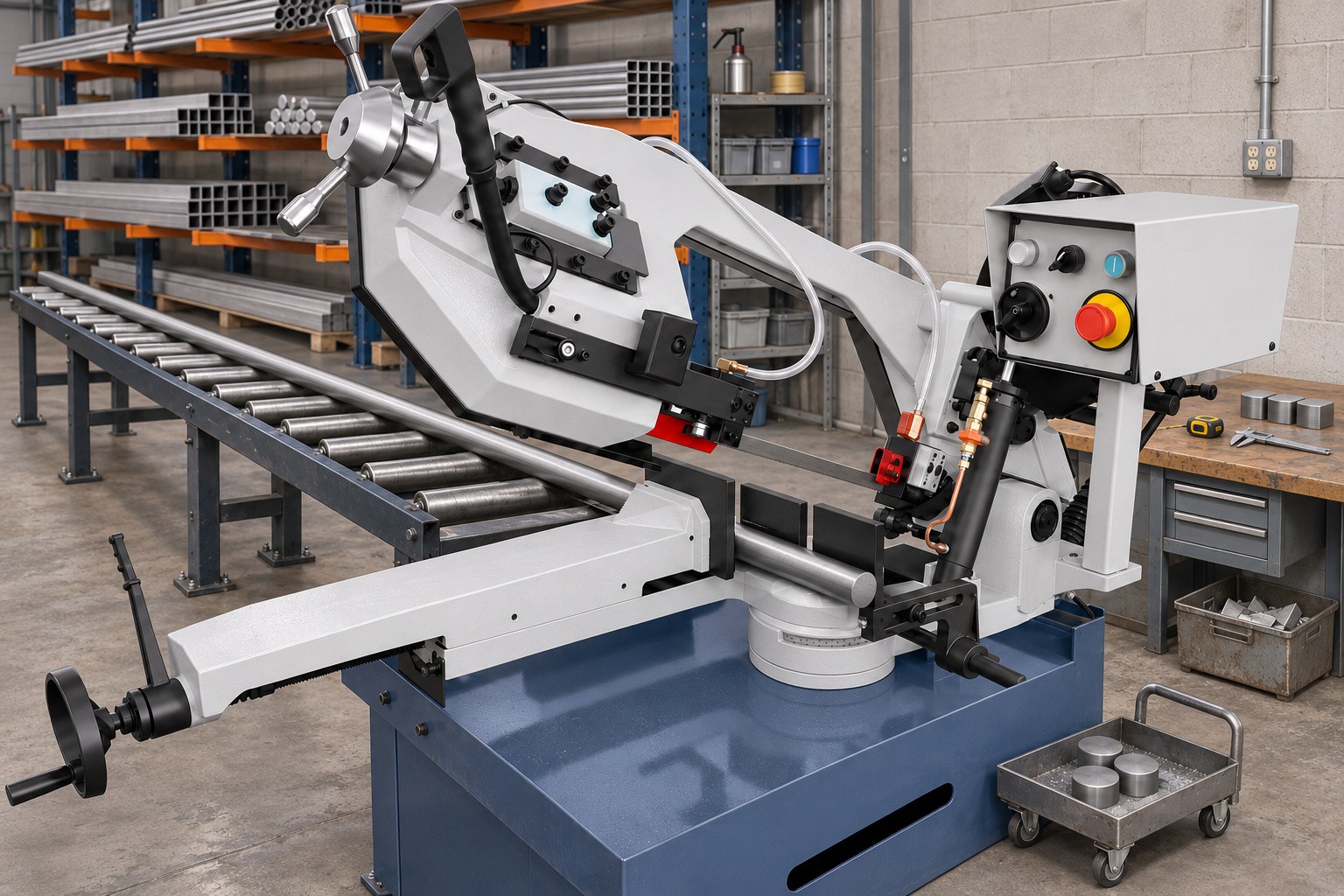
The length cutting tolerance is ±2 mm. For a different length, contact the store and confirm feasibility.
Standards and designations
Historical designation specified for the product: DIN 59361:1981-10 — ground and polished round bars with tolerance h6. The standard was withdrawn and replaced by DIN EN 10278:1999-12.
The current reference for bright products made of non-alloy and alloy steels is EN ISO 683-7:2024, adopted in Poland as PN-EN ISO 683-7:2025-04, replacing PN-EN 10277:2018-09.
Diameter tolerance of the offered bar: h6. The information on standard changes clarifies the designations used; material documentation confirms whether a specific delivery complies with a given standard.
The current DIN EN 10278:2024-01 has a revised scope and excludes products covered by EN 10277. For this reason, EN ISO 683-7 is indicated for this bar group alongside the historical DIN 59361 designation.
Length and order quantity
Purchasing one piece means one section of 1000 mm in length. Purchasing several pieces means separate sections. For other lengths or sizes, contact the store before ordering.
Order fulfilment
Dispatch of an in-stock product: within 2 days. Delivery time depends on the carrier. If there is no stock, availability must be confirmed.
Questions and answers
Is the price per metre or per piece?
The price covers one piece of 1000 mm in length.
What does the h6 designation refer to?
The bar diameter tolerance. For Ø12 mm, the diameter range is 11,989–12,000 mm. Length cutting tolerance is a separate parameter.
Does the h6 designation confirm that the bar is hardened?
The h6 designation describes the dimensional tolerance. Heat-treatment condition requires separate confirmation.
Is the mass a weighing result?
An indicative theoretical mass calculated from nominal dimensions is given, excluding packaging.
NERON Piła — help with selection
Contact NERON, specifying the steel grade, diameter, tolerance, length and quantity.



Comments (0)
Your review appreciation cannot be sent
Report comment
Report sent
Your report cannot be sent