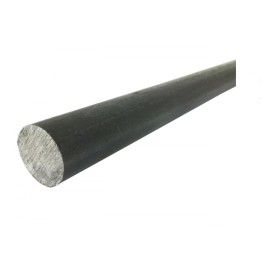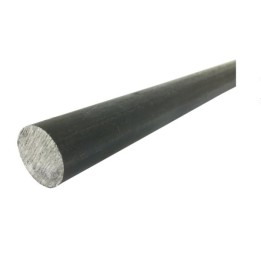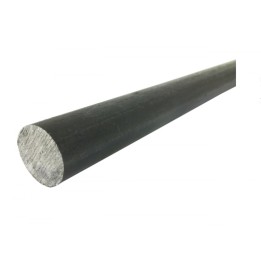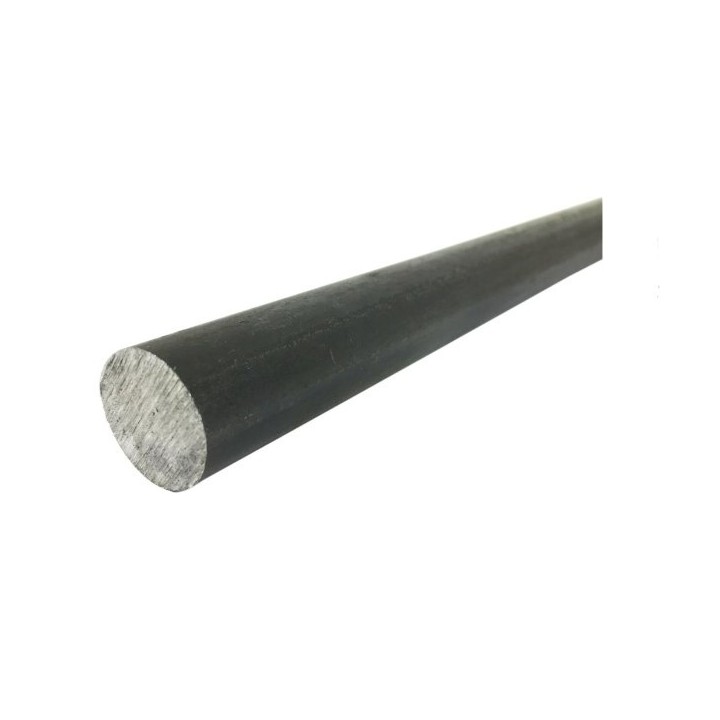
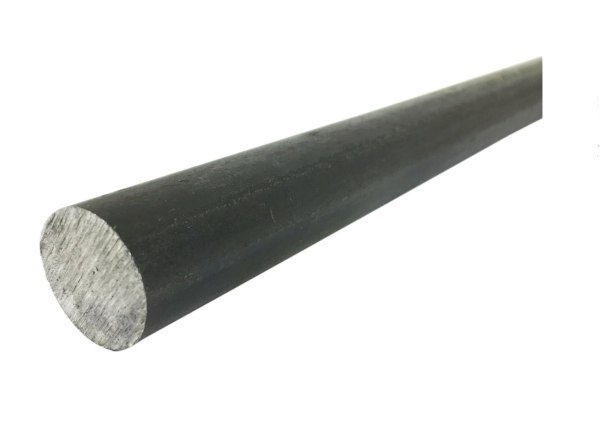
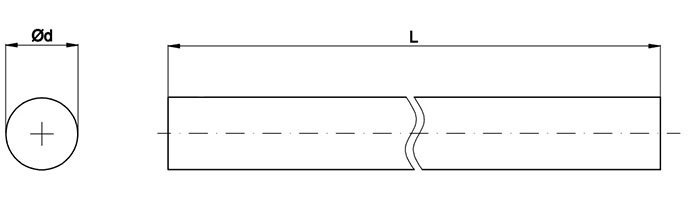
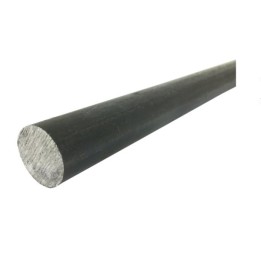
Round bar Ø 100 mm HM grade 42CrMo4 L=1000 mm
Round bar Ø 100 mm HM grade 42CrMo4 L=1000 mm.
Item description:
- Name: Rolled round bar
- Grade: HM, 42CrMo4
- Standard: DIN EN ISO 683-2
- Quantity sold: 1 pc.
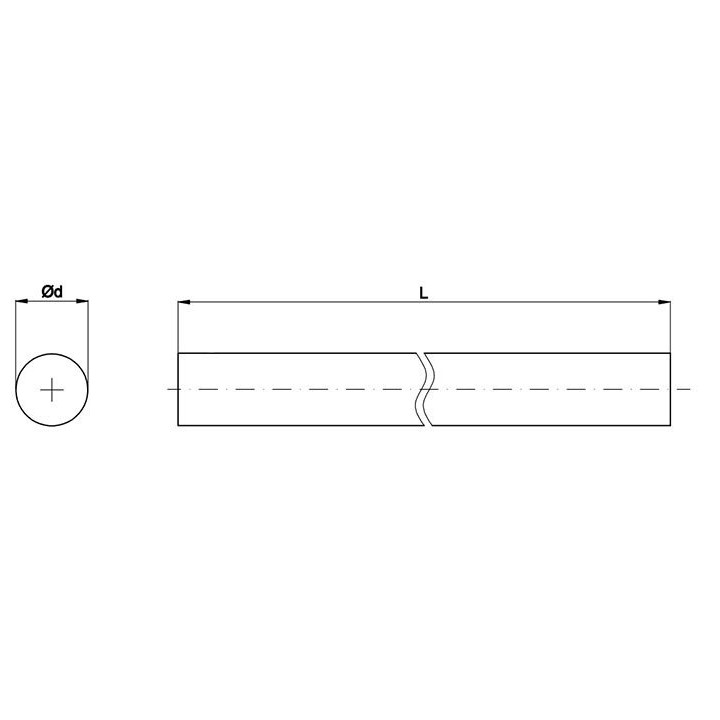
- Size: Ø 100 x 1000 mm (d x L)
- Material: unfinished steel
-Bars cut to size within a tolerance of ± 2 mm,
Engineering steel with very good strength properties and considerable hardenability. Very good properties throughout the cross-section can be achieved by water quenching up to approx. 70mm thickness and oil quenching up to approx. 50mm. Surface hardening produces a surface hardness of 54-59 HRC.
Steel used mainly for very heavily loaded parts of medium and greater thickness, where strength requirements exceed the capabilities of 35HM or 34CrMo4 steel. A good alternative to expensive chromium-nickel and chromium-nickel-molybdenum steels. Main applications include axles, shafts, crankshafts, connecting rods, larger-diameter machine-tool spindles, oil-hardened gears and sprockets, engine cylinders, ball studs, splined shafts and other machine parts subjected to alternating bending and torsional loads and wear.
The steel can be oxy-fuel cut after heating with an oxy-acetylene or propane-butane-oxygen flame. Plasma arc cutting is also possible. Before cutting, preheat the material to 300-400 °C. Cool the cut surfaces in air.
-
ConditionNew
-
Sales unitpcs
-
Source reference10943332575
-
BrandOther
1. Eye protection:
– Always wear safety goggles or a face shield to protect your eyes from sparks, particles and metal fragments.
2. Hearing protection:
– When working in a noisy environment, use ear defenders or earplugs to prevent hearing damage.
3. Respiratory protection:
– When working in dusty surroundings or in the presence of fumes, wear a filtering mask or an appropriate respirator.
– Ensure proper ventilation of the workstation.
4. Hand and skin safety:
– Use protective gloves that protect against mechanical injuries and chemicals.
– Where necessary, use protective creams to prevent irritation and dry skin.
5. Work clothing:
– Work in protective clothing resistant to sparks and splashes.
– Avoid loose clothing, jewellery and loose hair near machinery.
6. Fire risk:
– Keep the workstation free of flammable materials (e.g. paper, fabrics and chemicals).
– Keep a serviceable fire extinguisher close at hand and know how to use it.
7. Electrical hazards:
– Check the condition of cables and electrical equipment before use.
– Do not use electrical devices in damp conditions.
– Disconnect equipment from the power supply during maintenance or repairs.
8. Use of machinery and tools:
– Regularly inspect the technical condition of machines and tools.
– Use equipment in accordance with the manufacturer's instructions.
– Blades and tools should be maintained regularly and kept in good condition.
– Machines should be fitted with appropriate guards and protective devices.
9. Handling materials:
– Use handling equipment to move heavy components.
– Lift and carry using ergonomic practices to avoid injury.
10. Working with chemicals:
– Store chemicals in labelled, safe containers.
– Use substances in accordance with the manufacturer's instructions and occupational health and safety rules.
– Ensure air circulation when using chemicals.
Other important rules:
– Keep the workstation clean and tidy.
– Ensure adequate lighting in the working area.
– Provide occupational health and safety training.
– Carry out regular safety audits and comply with current regulations.

Comments (0)
Your review appreciation cannot be sent
Report comment
Report sent
Your report cannot be sent