Pressure-resistant shaft seal 52x75x12 RST-D NBR ERIKS

zł45.81 Grosszł37.24 Net
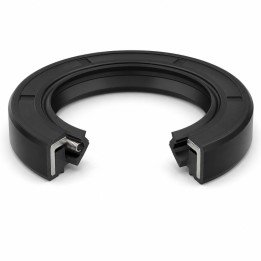
Pressure-resistant shaft seal 52x75x12 mm RST-D with an additional dust lip, NBR material, manufacturer ERIKS. Up to 10 bar depending on operating conditions.
Dispatch within:
3 days
Shipping cost incl. VAT:
from zł8.61
Availability:
Available
Weight:
0,15 kg
Secure payments
BLIK Przelewy24

Delivery with our partners

InPost Paczkomaty GLS DHL Pocztex

Available options depend on the products and delivery address.

Share

Pressure-resistant shaft seal 52x75x12 RST-D NBR ERIKS

Pressure-resistant shaft seal RST-D NBR 52x75x12 mm

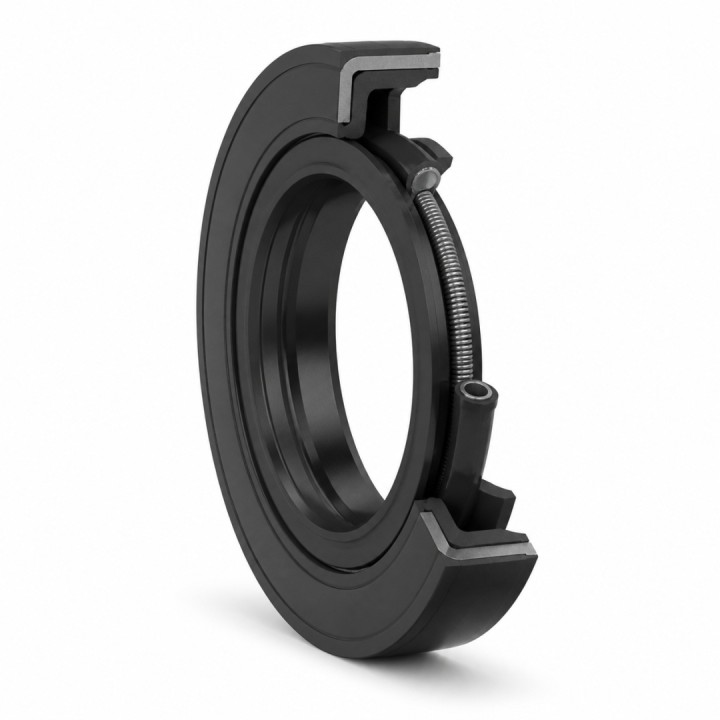
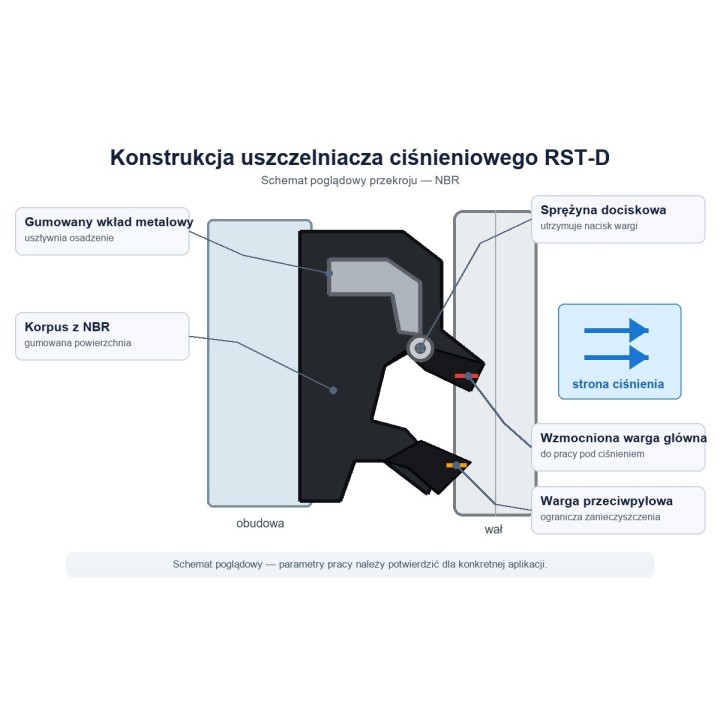
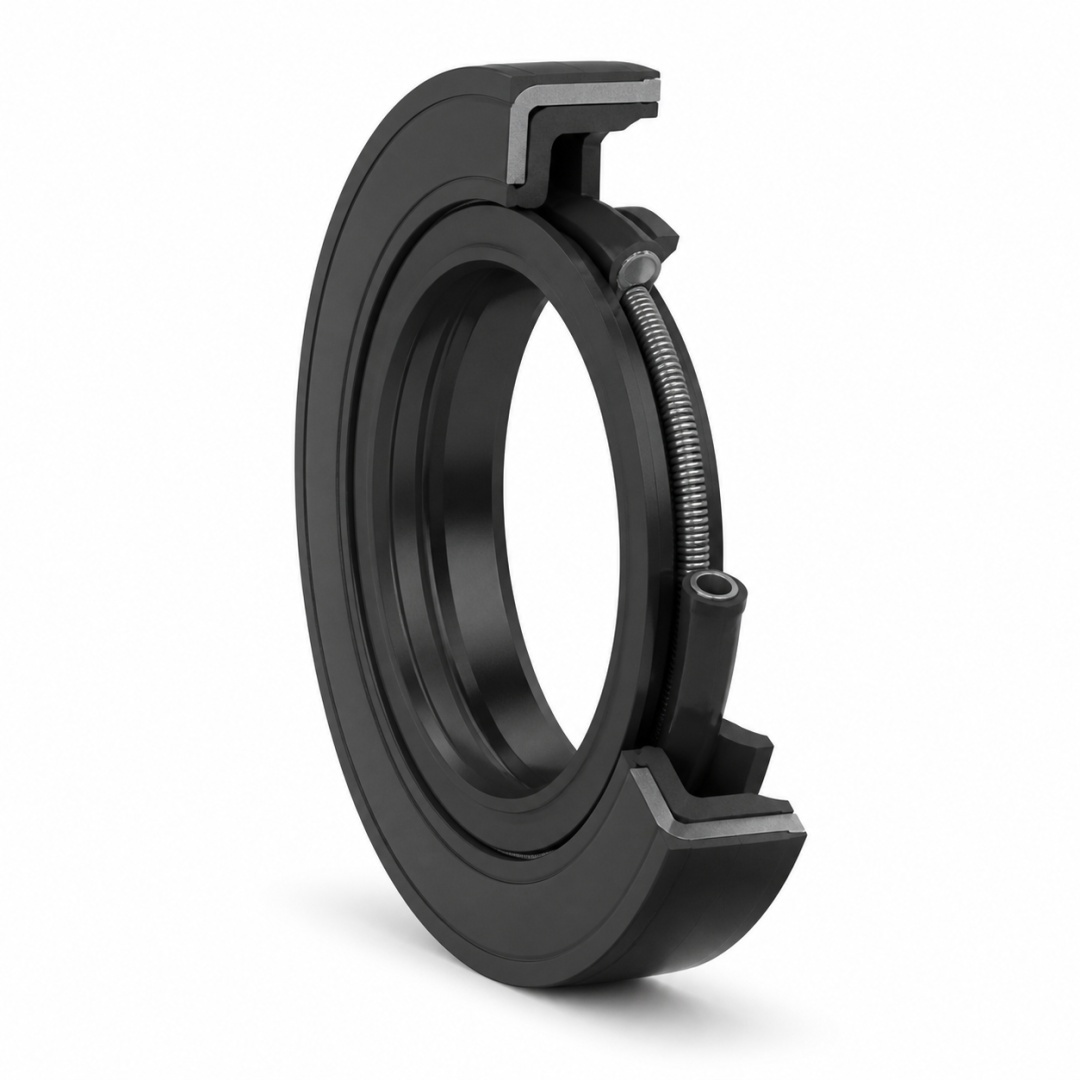
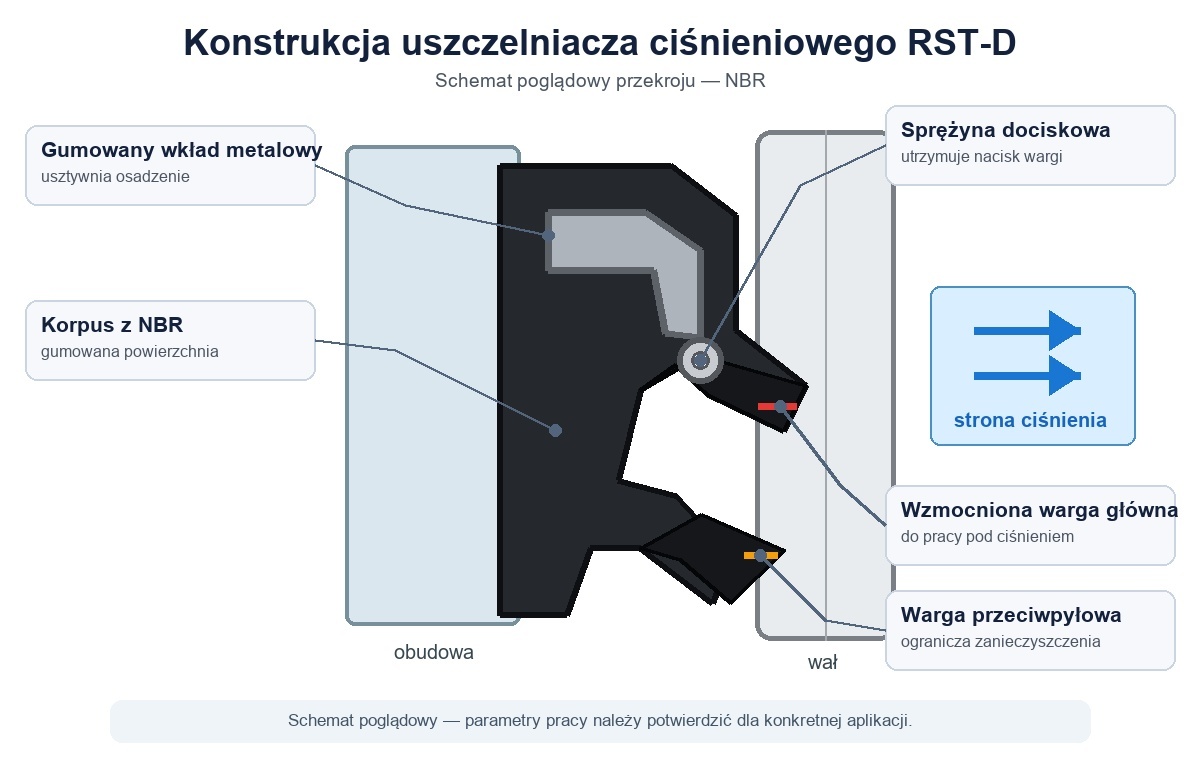
Reinforced radial shaft seal with a rubber-coated metal insert, a spring-loaded main lip and an additional dust lip. The RST-D design is intended for applications in which a standard shaft seal may be exposed to elevated pressure.

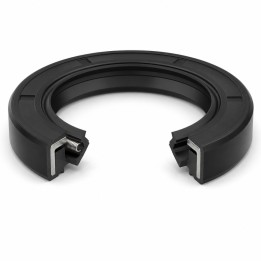
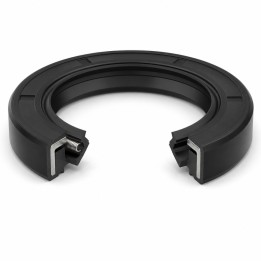
The main image is an illustrative visualisation of the RST-D design.

Product specifications

  • dimensions d × D × b: 52 × 75 × 12 mm,
  • type: RST-D — pressure-resistant, with dust lip,
  • material: NBR — nitrile rubber,
  • outer surface: rubber-coated,
  • manufacturer: ERIKS,
  • quantity: 1 pc.

Operating conditions

Permissible pressure may be up to 10 bar. The limit depends on shaft diameter and speed, temperature, the medium being sealed and the installation method. The approximate temperature range for NBR is -30°C to +100°C.

Pressure-resistant shaft seal 52x75x12 RST-D NBR ERIKS

Applications of NBR material

NBR is used with mineral oils, greases and typical hydraulic fluids, among other media. Before operating at the limits, check material compatibility with the medium and the equipment parameters.

  • Brand
  • Reference
    ERIKS-RST-D-NBR-52X75X12
  • Waga
    0,15 kg
  • In stock
    23 Items

  • Sales unit
    pcs

Workplace safety warnings — in accordance with Regulation (EU) 2023/988 on general product safety:
1. Eye protection:
– Always wear safety goggles or a face shield to protect your eyes from sparks, particles and metal fragments.
2. Hearing protection:
– When working in a noisy environment, use ear defenders or earplugs to prevent hearing damage.
3. Respiratory protection:
– When working in dusty surroundings or in the presence of fumes, wear a filtering mask or an appropriate respirator.
– Ensure proper ventilation of the workstation.
4. Hand and skin safety:
– Use protective gloves that protect against mechanical injuries and chemicals.
– Where necessary, use protective creams to prevent irritation and dry skin.
5. Work clothing:
– Work in protective clothing resistant to sparks and splashes.
– Avoid loose clothing, jewellery and loose hair near machinery.
6. Fire risk:
– Keep the workstation free of flammable materials (e.g. paper, fabrics and chemicals).
– Keep a serviceable fire extinguisher close at hand and know how to use it.
7. Electrical hazards:
– Check the condition of cables and electrical equipment before use.
– Do not use electrical devices in damp conditions.
– Disconnect equipment from the power supply during maintenance or repairs.
8. Use of machinery and tools:
– Regularly inspect the technical condition of machines and tools.
– Use equipment in accordance with the manufacturer's instructions.
– Blades and tools should be maintained regularly and kept in good condition.
– Machines should be fitted with appropriate guards and protective devices.
9. Handling materials:
– Use handling equipment to move heavy components.
– Lift and carry using ergonomic practices to avoid injury.
10. Working with chemicals:
– Store chemicals in labelled, safe containers.
– Use substances in accordance with the manufacturer's instructions and occupational health and safety rules.
– Ensure air circulation when using chemicals.
Other important rules:
– Keep the workstation clean and tidy.
– Ensure adequate lighting in the working area.
– Provide occupational health and safety training.
– Carry out regular safety audits and comply with current regulations.

Comments (0)

No customer reviews for the moment.

4 other products in the same category

Viewed products

Loading...
Back to top