


- New


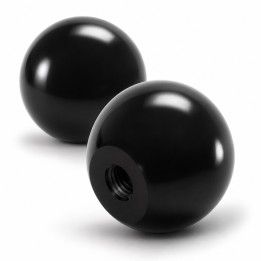
Pokrętła kulowe M5 16 mm z bakelitu typ C 56914 - 5 szt. images
Pokrętła kulowe M5 16 mm z bakelitu typ C 56914 - 5 szt.
zł23.62 Grosszł19.20 Net
(zł4.72 szt.)
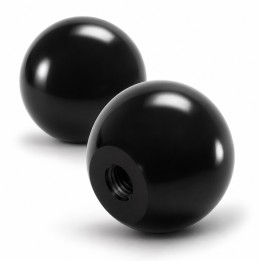
Czarne pokrętło kulowe z bakelitu FS31, typ C, z nieprzelotowym gwintem wewnętrznym M5. Średnica kuli 16 mm, wysokość 15 mm, skok gwintu 0,8 mm. Jednostka sprzedaży: opakowanie 5 sztuk. Termin realizacji: 2 dni.
Pokrętło kulowe M5 16 mm z bakelitu
Kulisty korpus z czarnego fenoloformaldehydu (bakelitu) FS31 ma płaską podstawę. Od strony podstawy znajduje się nieprzelotowy gwint metryczny wewnętrzny M5. Pokrętło służy jako uchwyt ręczny na elemencie z gwintem zewnętrznym M5. Odniesienie katalogowe: DIN 319 typ C.

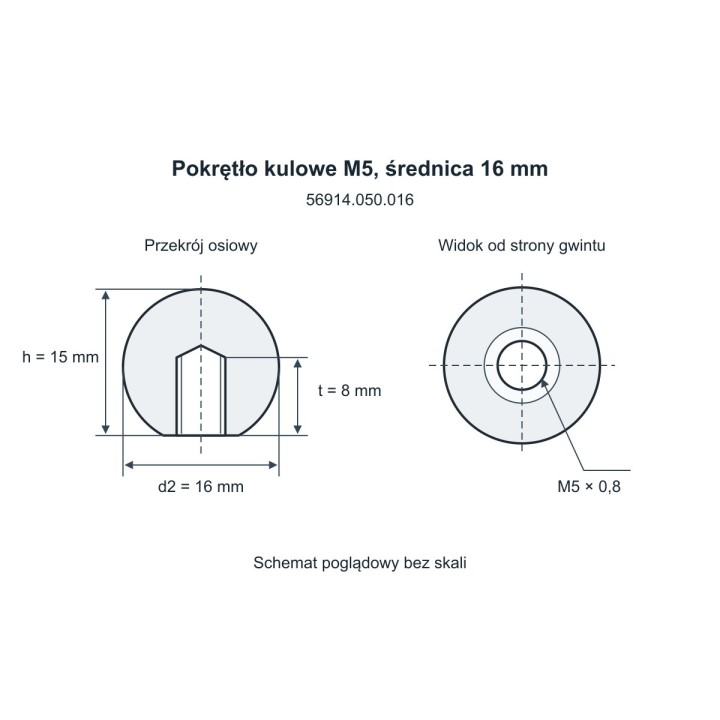
Wymiary i mocowanie
- d = M5, gwint wewnętrzny
- P = 0,8 mm, skok gwintu
- d2 = 16 mm, średnica kuli
- h = 15 mm, wysokość
- t = 8 mm, wymiar katalogowy ze schematu

Numer katalogowy i jednostka sprzedaży
Numer katalogowy 56914.050.016. Jednostka sprzedaży: opakowanie 5 sztuk. Masa tej ilości: 0,015 kg.

Najczęstsze pytania
Jaki gwint pasuje do pokrętła?
Gwint zewnętrzny M5 o skoku 0,8 mm.
Czy otwór przechodzi przez gałkę?
Otwór jest nieprzelotowy.
Z czego wykonano korpus?
Z czarnego bakelitu FS31.
Jakiej ilości dotyczy cena?
Jednostka sprzedaży to opakowanie 5 sztuk.
-
Brand

-
ReferenceN-56914-M5-D16-Q5
-
Waga0,015 kg
-
In stock10 Items
-
EAN138715492870933
-
ConditionNew
-
Sales unitPack
-
Thread typeMetric internal
-
Quantity per pack5 pcs
-
Thread pitch0,8 mm
-
Body materialPhenol-formaldehyde (Bakelite) FS31
-
Thread diameterM5
-
Material designationFS31
-
Kolor korpusuCzarny
-
Średnica pokrętła16 mm
-
Wysokość korpusu15 mm
Workplace safety warnings — in accordance with Regulation (EU) 2023/988 on general product safety:
1. Eye protection:
– Always wear safety goggles or a face shield to protect your eyes from sparks, particles and metal fragments.
2. Hearing protection:
– When working in a noisy environment, use ear defenders or earplugs to prevent hearing damage.
3. Respiratory protection:
– When working in dusty surroundings or in the presence of fumes, wear a filtering mask or an appropriate respirator.
– Ensure proper ventilation of the workstation.
4. Hand and skin safety:
– Use protective gloves that protect against mechanical injuries and chemicals.
– Where necessary, use protective creams to prevent irritation and dry skin.
5. Work clothing:
– Work in protective clothing resistant to sparks and splashes.
– Avoid loose clothing, jewellery and loose hair near machinery.
6. Fire risk:
– Keep the workstation free of flammable materials (e.g. paper, fabrics and chemicals).
– Keep a serviceable fire extinguisher close at hand and know how to use it.
7. Electrical hazards:
– Check the condition of cables and electrical equipment before use.
– Do not use electrical devices in damp conditions.
– Disconnect equipment from the power supply during maintenance or repairs.
8. Use of machinery and tools:
– Regularly inspect the technical condition of machines and tools.
– Use equipment in accordance with the manufacturer's instructions.
– Blades and tools should be maintained regularly and kept in good condition.
– Machines should be fitted with appropriate guards and protective devices.
9. Handling materials:
– Use handling equipment to move heavy components.
– Lift and carry using ergonomic practices to avoid injury.
10. Working with chemicals:
– Store chemicals in labelled, safe containers.
– Use substances in accordance with the manufacturer's instructions and occupational health and safety rules.
– Ensure air circulation when using chemicals.
Other important rules:
– Keep the workstation clean and tidy.
– Ensure adequate lighting in the working area.
– Provide occupational health and safety training.
– Carry out regular safety audits and comply with current regulations.
4 other products in the same category
Viewed products
- New
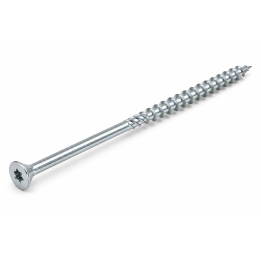
6×80 Countersunk wood screws TORX TX30, white zinc plated - 100 pcs.
zł108.33 Grosszł88.07 Net
Rated out of 5 stars based on
review(s)
- Currently out of stock
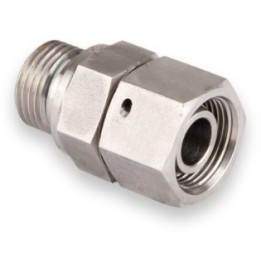
Adjustable straight connector body 1/4” BSP-M14x1,5 6S 316Ti X7360-06SR (101436)
zł61.00 Grosszł49.59 Net
Rated out of 5 stars based on
review(s)
- New
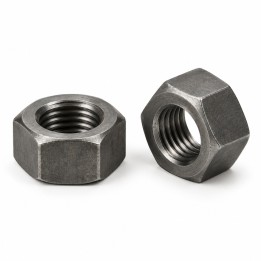
M24 Hexagon nuts DIN 934 class 8 uncoated steel 50 pcs.
zł62.82 Grosszł51.07 Net
Rated out of 5 stars based on
review(s)

Series-mounted solenoid valves 3/2 NC M5 spring return, 17 valves, 24VAC, 3V1M5E17F - Airtac
zł1,829.00 Grosszł1,486.99 Net
Rated out of 5 stars based on
review(s)
Comments (0)
Your review appreciation cannot be sent
Report comment
Report sent
Your report cannot be sent