


Pulley SPZ 132/3 for Taper Lock 2012 — Hubber images
Pulley SPZ 132/3 for Taper Lock 2012 — Hubber
zł87.92 Grosszł71.48 Net
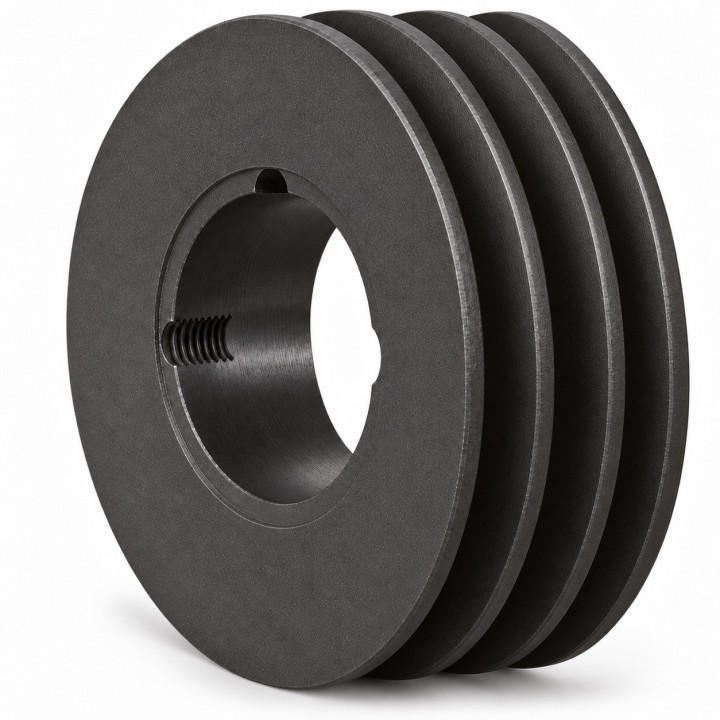
Hubber SPZ 132/3 pulley, three grooves, D 132 mm, Da 136 mm, B 40 mm, cast iron. For bushing 2012. Without bushing — sold separately. Available from 1 piece, fulfilment within 48 hours.
SPZ 132/3 pulley for Taper Lock 2012 — Hubber
The offer includes the pulley alone. The bushing is not included and is sold separately.
Hubber SPZ 132/3 cast iron pulley with three grooves for a belt drive. Shaft mounting requires a separately selected Taper Lock 2012 bush. The bush type does not indicate the shaft diameter.
Select a Taper Lock bushing for this pulley
Required type: 2012. Select the bore to fit the shaft. The selected Hubber bushings are purchased separately; a tile opens the product card and does not add it to the basket automatically.
Bushing price and availability are on its card. These are three selected bores, not the full range of type 2012. The category for the entire series may contain different brands.
Dimensions and specifications
| Manufacturer | Hubber |
|---|---|
| Designation | TB SPZ 132/3 |
| Pulley profile | SPZ |
| Number of grooves | 3 |
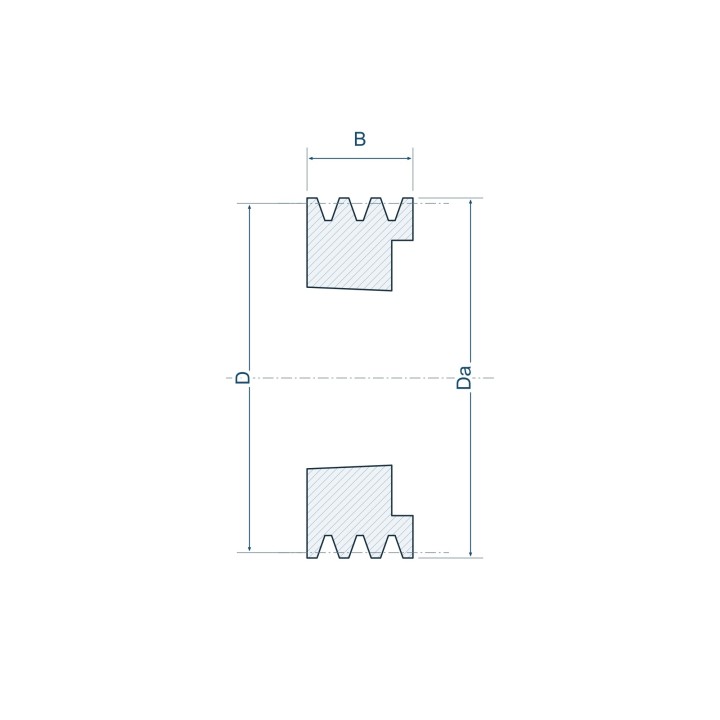
| Datum diameter D | 132 mm |
| Outside diameter Da | 136 mm |
| Rim width B | 40 mm |
| Overall axial width | 40 mm |
| Bushing type | Taper Lock 2012 — separately |
| Material | Cast iron |
| Belt profiles | Z, HZ, ZX, SPZ, XPZ |
| Design | Solid pulley |
| OEM code | ZT01323 |
| Mass of the pulley alone | 2,300 kg |
Selection and applications
Check the profile and permitted minimum pulley diameter for the belt used, transmission ratio, speed and drive load. Select bushing 2012 to match both the pulley seat and shaft diameter. Pulley and bushing are ordered as two separate products. NERON in Piła helps select industrial drive components.
Taper Lock 2012 bushing installation tips
- Before work, stop the drive, disconnect power and secure the machine against starting.
- Check type 2012 compatibility, bushing bore against shaft diameter, and key connection requirements. Clean mating surfaces; do not fit to a damaged shaft.
- Seat the bushing and pulley and fit the screws in the assembly holes in the sequence specified in the instructions supplied with the Hubber bushing.
- Use a torque wrench and the torque specified by the manufacturer of the specific bushing. If you do not have this value, obtain it before installation; do not tighten by feel.
- Check pulley alignment, belt tension and guards according to the machine documentation. Remove according to the bushing instructions, without random blows or excessive force.
These are brief selection and installation tips, not a substitute for the manufacturer's instructions.
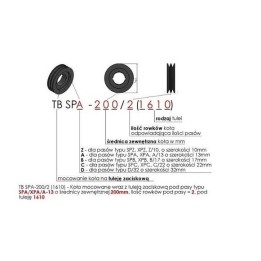
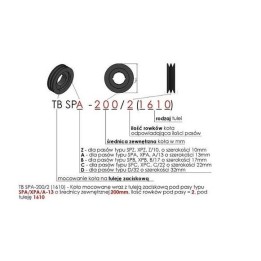
The illustrative diagram shows the labels D — reference diameter, Da — outside diameter, B — rim width. Values are given in the table. The diagram is not intended for measurement or manufacture.
-
Brand

-
ReferenceNER-PAS-HUB-SPZ132-3-TB2012
-
Waga2,3 kg
-
In stock9 Items
Workplace safety warnings — in accordance with Regulation (EU) 2023/988 on general product safety:
1. Eye protection:
– Always wear safety goggles or a face shield to protect your eyes from sparks, particles and metal fragments.
2. Hearing protection:
– When working in a noisy environment, use ear defenders or earplugs to prevent hearing damage.
3. Respiratory protection:
– When working in dusty surroundings or in the presence of fumes, wear a filtering mask or an appropriate respirator.
– Ensure proper ventilation of the workstation.
4. Hand and skin safety:
– Use protective gloves that protect against mechanical injuries and chemicals.
– Where necessary, use protective creams to prevent irritation and dry skin.
5. Work clothing:
– Work in protective clothing resistant to sparks and splashes.
– Avoid loose clothing, jewellery and loose hair near machinery.
6. Fire risk:
– Keep the workstation free of flammable materials (e.g. paper, fabrics and chemicals).
– Keep a serviceable fire extinguisher close at hand and know how to use it.
7. Electrical hazards:
– Check the condition of cables and electrical equipment before use.
– Do not use electrical devices in damp conditions.
– Disconnect equipment from the power supply during maintenance or repairs.
8. Use of machinery and tools:
– Regularly inspect the technical condition of machines and tools.
– Use equipment in accordance with the manufacturer's instructions.
– Blades and tools should be maintained regularly and kept in good condition.
– Machines should be fitted with appropriate guards and protective devices.
9. Handling materials:
– Use handling equipment to move heavy components.
– Lift and carry using ergonomic practices to avoid injury.
10. Working with chemicals:
– Store chemicals in labelled, safe containers.
– Use substances in accordance with the manufacturer's instructions and occupational health and safety rules.
– Ensure air circulation when using chemicals.
Other important rules:
– Keep the workstation clean and tidy.
– Ensure adequate lighting in the working area.
– Provide occupational health and safety training.
– Carry out regular safety audits and comply with current regulations.
4 other products in the same category
Viewed products
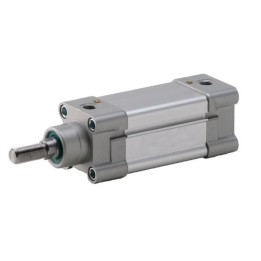
Pneumatic cylinder MA-EL D32x500 ISO15552
zł336.60 Grosszł273.66 Net
Rated out of 5 stars based on
review(s)
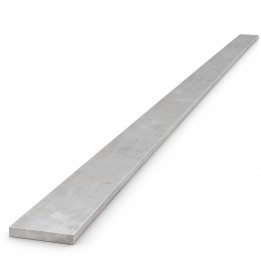
Aluminium flat bar 70x20 mm - length 1000 mm
zł295.20 Grosszł240.00 Net
Rated out of 5 stars based on
review(s)

Aluminium tube 40x4 length 2000 mm
zł135.50 Grosszł110.16 Net
Rated out of 5 stars based on
review(s)
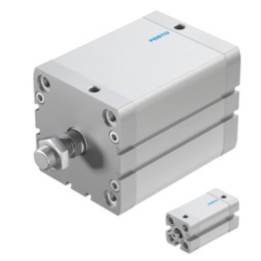
Pneumatic cylinder ADN-32-100-I-P-A FESTO
zł221.50 Grosszł180.08 Net
Rated out of 5 stars based on
review(s)
Comments (0)
Your review appreciation cannot be sent
Report comment
Report sent
Your report cannot be sent