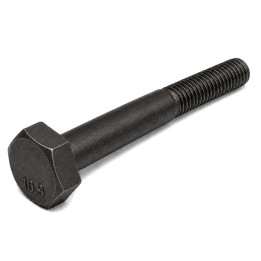
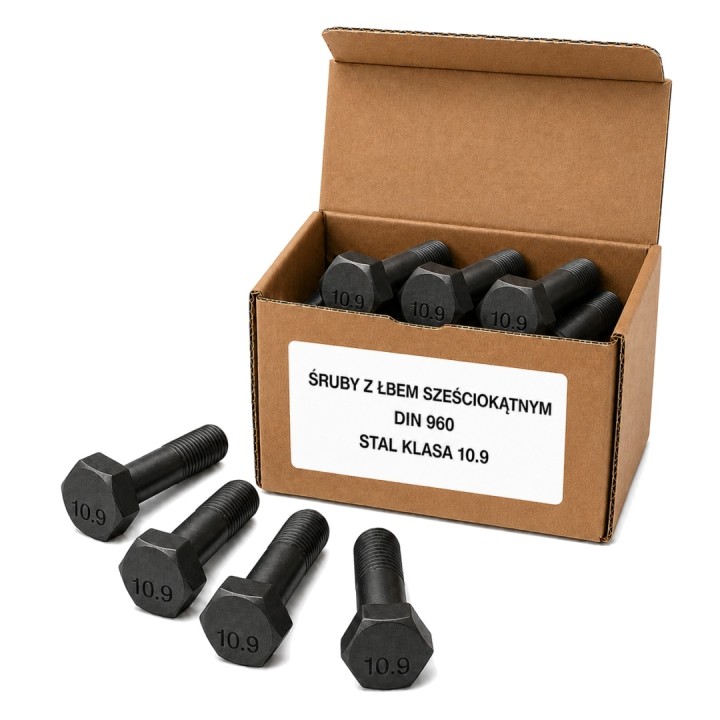
M24x2x160 hexagon-head bolt 10.9 uncoated DIN 960 - 10 pcs.

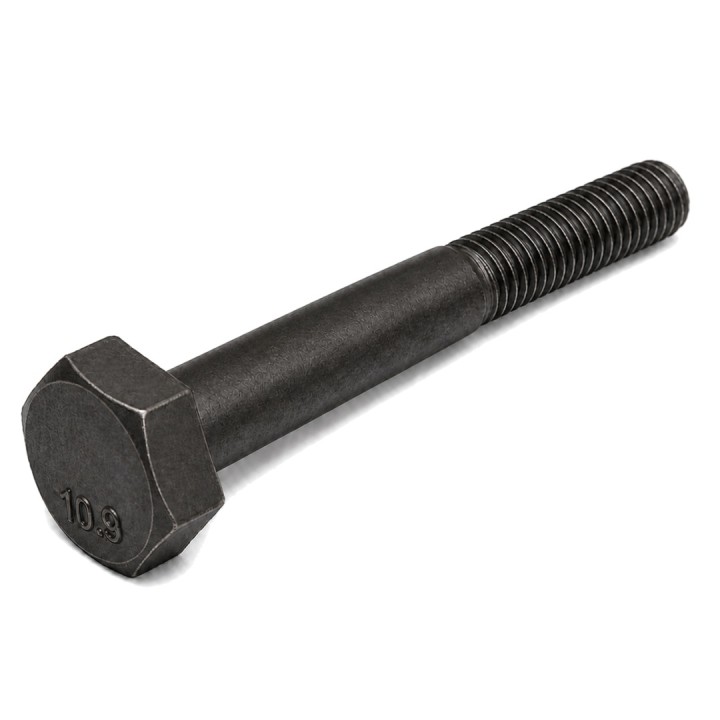
M24x2x160 hexagon-head bolt 10.9 uncoated DIN 960 - 10 pcs.
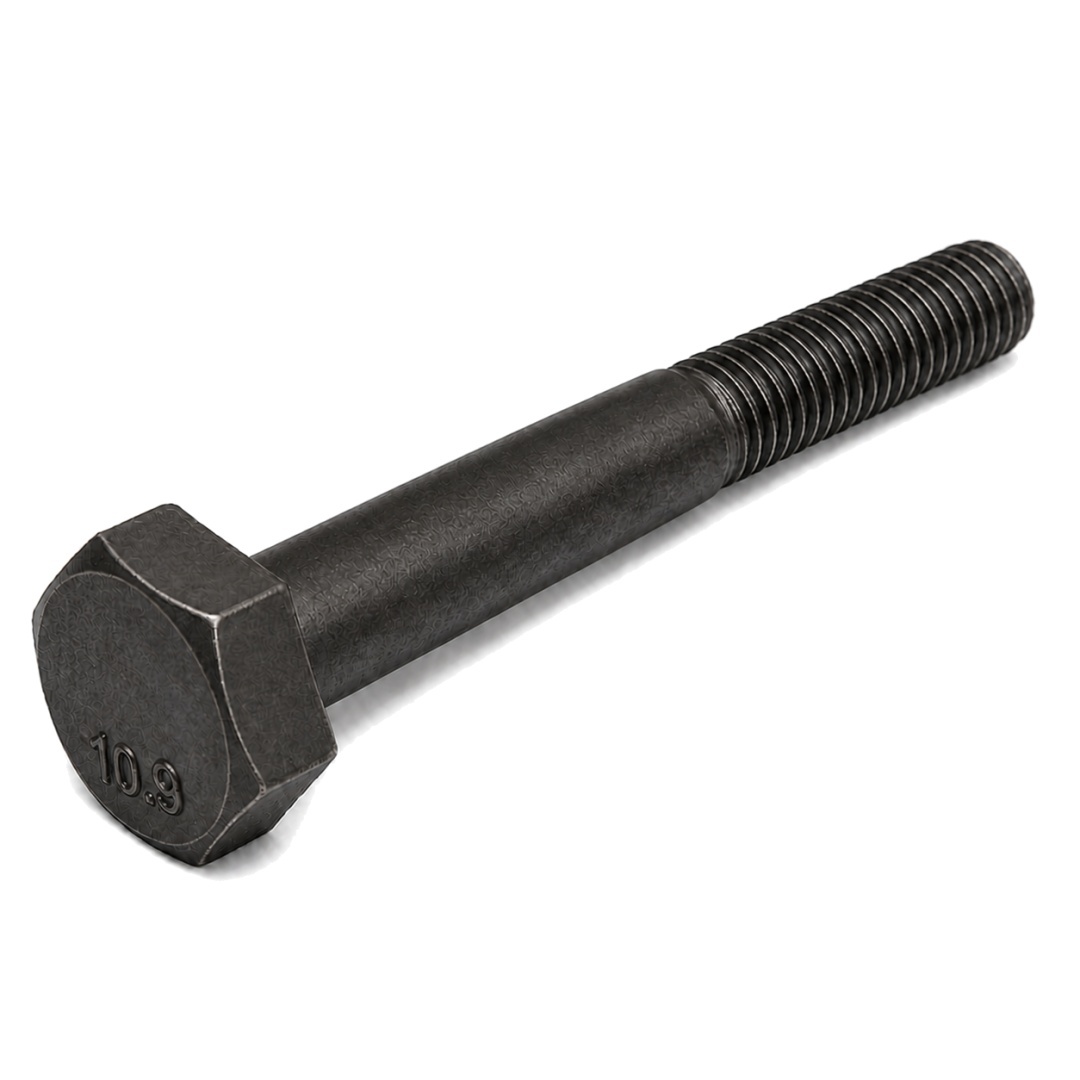
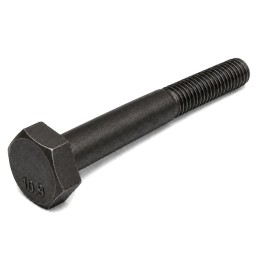
Hexagon-head bolt M24x2x160 with a partial thread, made of steel of class 10.9, without a protective coating. The smooth shank beneath the head allows the unthreaded part of the bolt to pass through the joined components.
The bolt surface is neither zinc-plated nor protected by another anti-corrosion coating. Where exposure to moisture is expected, suitable corrosion protection for the joint should be provided.
Key specifications
- size: M24x2x160,
- standard: DIN 960,
- equivalent standard: ISO 8765,
- property class: 10.9,
- material: steel,
- surface: uncoated,
- thread type: partial, metric fine-pitch,
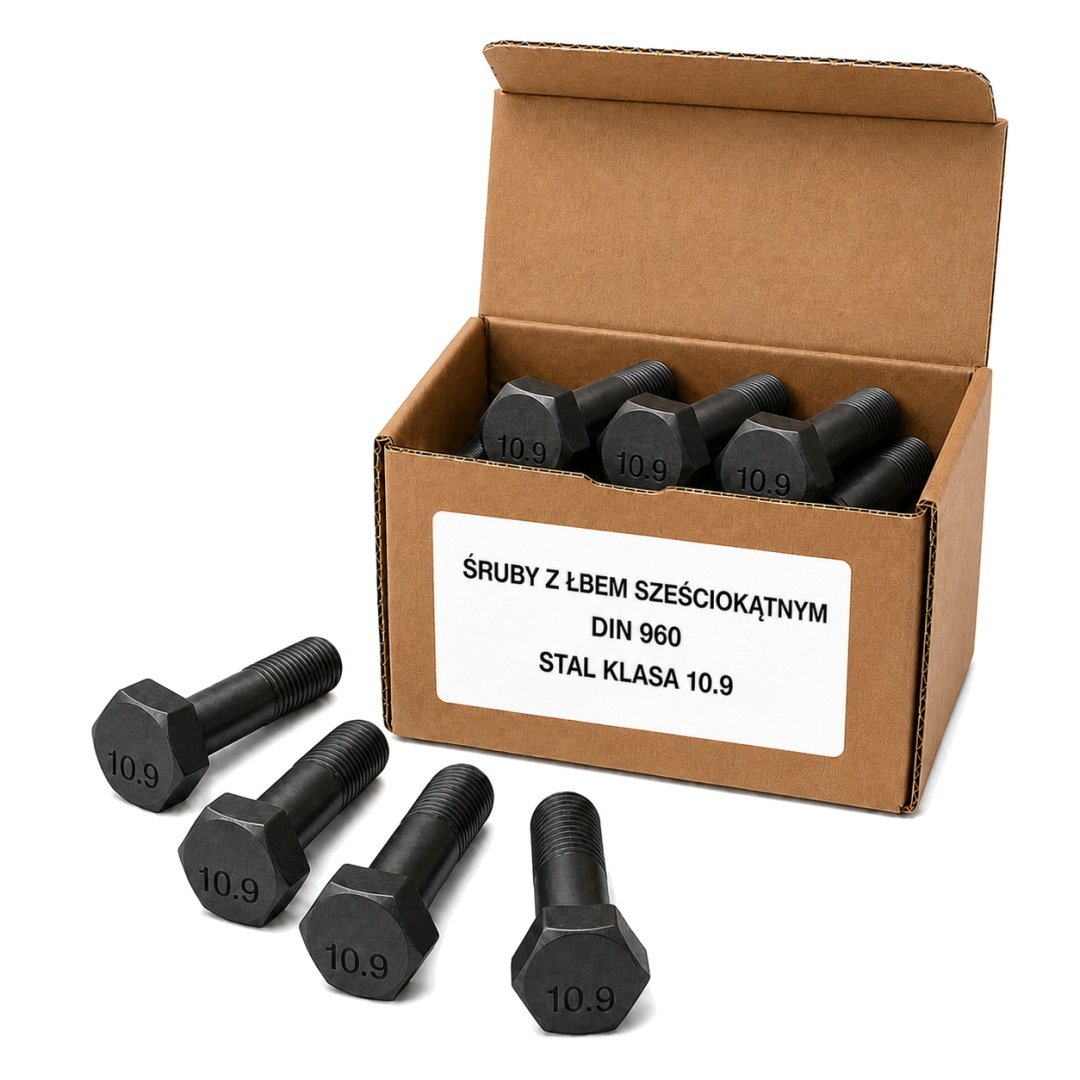
- number of pieces per pack: 10.

Dimensions
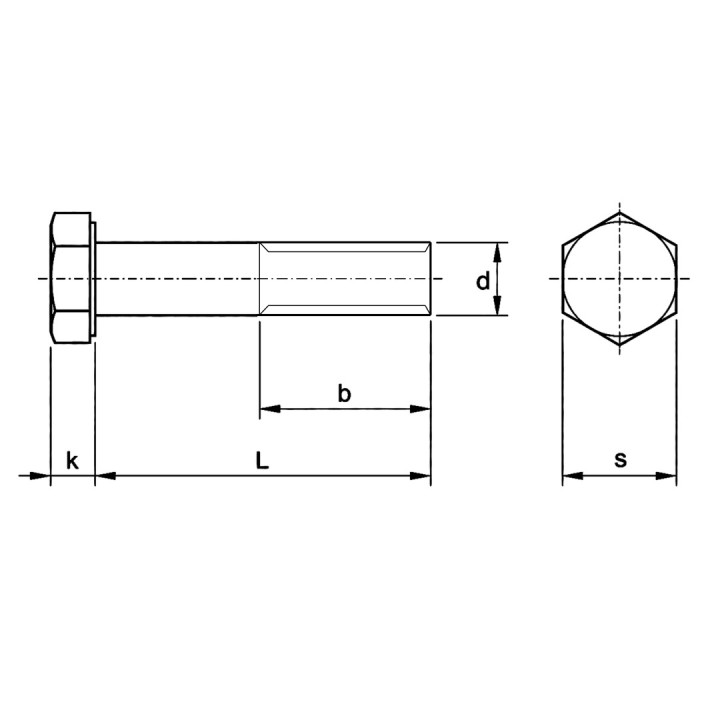
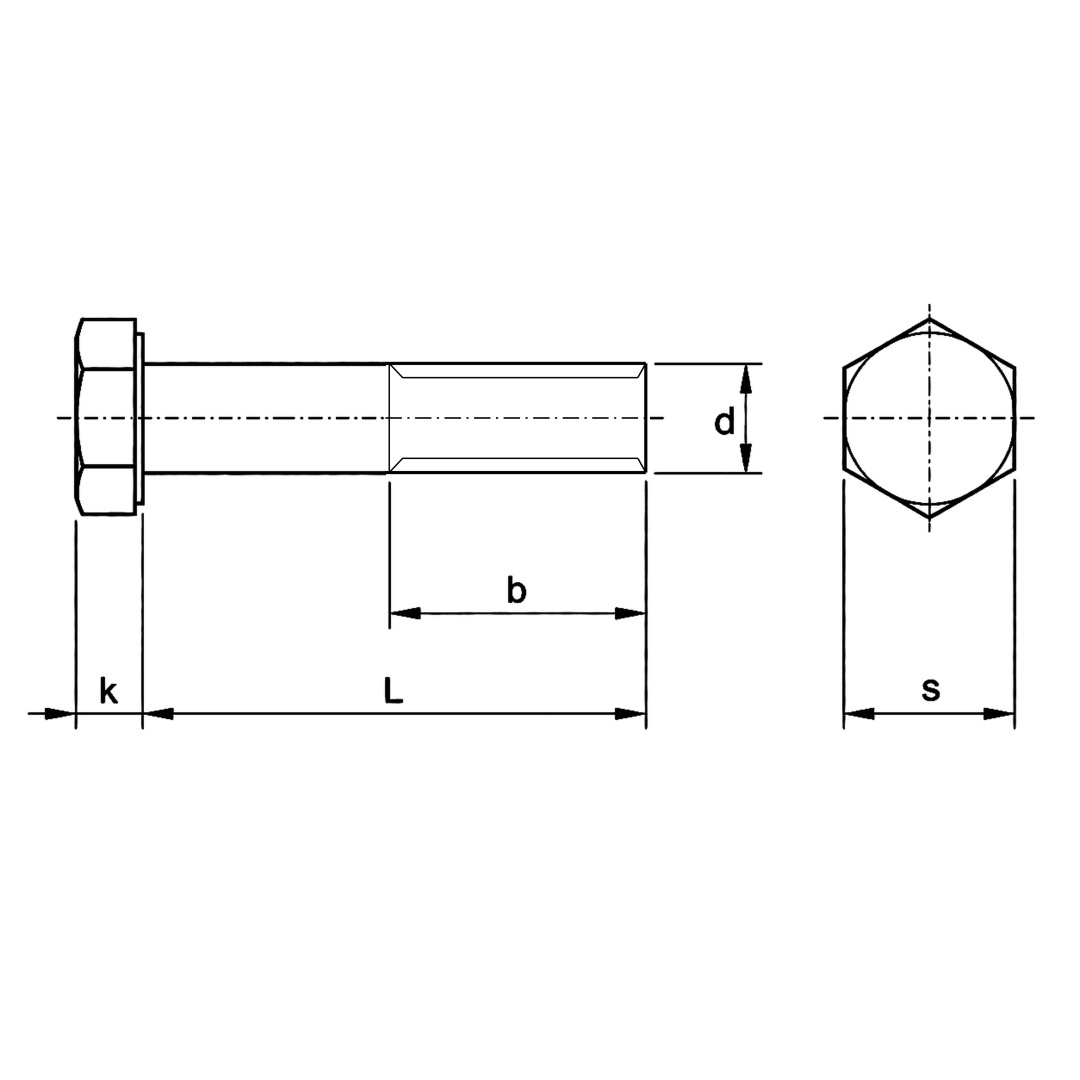
- nominal thread diameter d: M24,
- length l: 160 mm,
- minimum thread length b: 60 mm,
- head height k: 15 mm,
- wrench size s: 36 mm,
- thread pitch P: 2 mm.

Standard and selection
DIN 960 specifies hexagon-head bolts with a partial thread. The equivalent standard is ISO 8765. When selecting a bolt for an existing joint, check the required thread length and the design documentation.
Scope of delivery
One sales pack contains 10 bolts M24x2x160. Nuts and washers are not included in the set.
Net weight of 10 bolts: 6,740 kg. This value excludes packaging.
-
Sales unitpcs
1. Eye protection:
– Always wear safety goggles or a face shield to protect your eyes from sparks, particles and metal fragments.
2. Hearing protection:
– When working in a noisy environment, use ear defenders or earplugs to prevent hearing damage.
3. Respiratory protection:
– When working in dusty surroundings or in the presence of fumes, wear a filtering mask or an appropriate respirator.
– Ensure proper ventilation of the workstation.
4. Hand and skin safety:
– Use protective gloves that protect against mechanical injuries and chemicals.
– Where necessary, use protective creams to prevent irritation and dry skin.
5. Work clothing:
– Work in protective clothing resistant to sparks and splashes.
– Avoid loose clothing, jewellery and loose hair near machinery.
6. Fire risk:
– Keep the workstation free of flammable materials (e.g. paper, fabrics and chemicals).
– Keep a serviceable fire extinguisher close at hand and know how to use it.
7. Electrical hazards:
– Check the condition of cables and electrical equipment before use.
– Do not use electrical devices in damp conditions.
– Disconnect equipment from the power supply during maintenance or repairs.
8. Use of machinery and tools:
– Regularly inspect the technical condition of machines and tools.
– Use equipment in accordance with the manufacturer's instructions.
– Blades and tools should be maintained regularly and kept in good condition.
– Machines should be fitted with appropriate guards and protective devices.
9. Handling materials:
– Use handling equipment to move heavy components.
– Lift and carry using ergonomic practices to avoid injury.
10. Working with chemicals:
– Store chemicals in labelled, safe containers.
– Use substances in accordance with the manufacturer's instructions and occupational health and safety rules.
– Ensure air circulation when using chemicals.
Other important rules:
– Keep the workstation clean and tidy.
– Ensure adequate lighting in the working area.
– Provide occupational health and safety training.
– Carry out regular safety audits and comply with current regulations.

Comments (0)
Your review appreciation cannot be sent
Report comment
Report sent
Your report cannot be sent