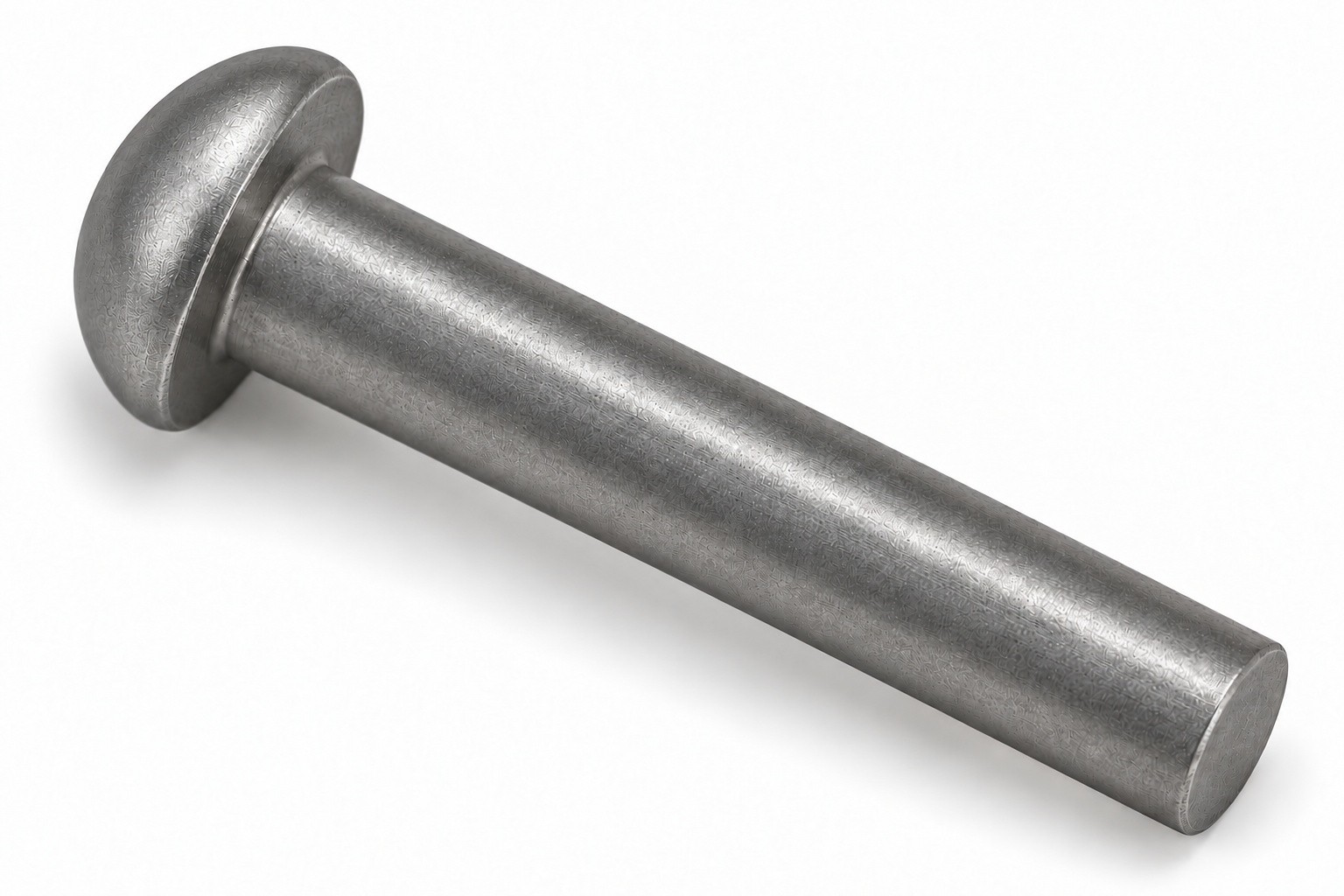
Solid steel rivets DIN 660 — 8 × 60 mm, round head, 100 pieces
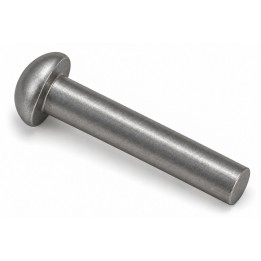
Uncoated solid steel rivet with a factory-formed round head and a solid cylindrical shank. The joint is made by riveting the free end of the shank. The size 8 × 60 mm denotes a nominal shank diameter of 8 mm and a length of 60 mm measured under the head. The catalogue specifies DIN 660 and reference PN 82952.
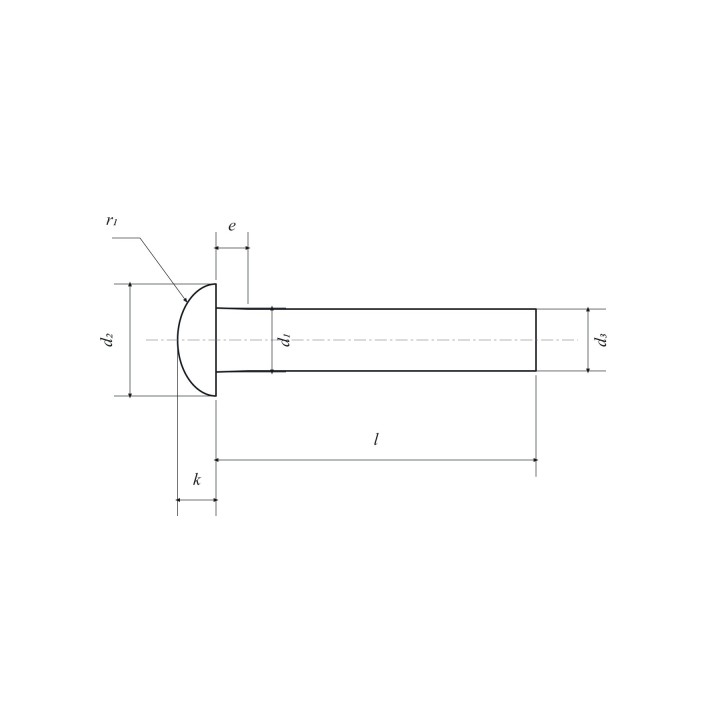
Rivet dimensions and specifications before installation
- Standard: DIN 660
- PN reference: PN 82952
- Rivet type: Solid
- Head type: Round
- Shank diameter d1: 8 mm
- Diameter deviation d1: ±0,15 mm
- Shank length l: 60 mm (under the head, nominal)
- Head diameter d2: 14 mm
- Head diameter tolerance d2: h15
- Minimum diameter d3: 7,76 mm
- Dimension e: Max. 4 mm
- Head height k: 4,8 mm
- Head height tolerance k: js14
- Head radius r1: Approximately 7,5 mm
- Material: Steel St
- Steel grade: To be confirmed
- Coating: Uncoated
- Minimum strength Rm according to the data sheet: 290 N/mm²
- Material standard according to the data sheet: DIN 1654-2
- General requirements according to the data sheet: DIN 101
The steel data sheet specifies QSt32-3 or QSt36-3 by agreement. The specific grade has not been confirmed for this offer — it remains to be confirmed. The Rm value and material standard are catalogue requirements in the data sheet; they are not a test result for this batch, a material certificate or a permissible load for the finished joint.
Installation dimensions according to the technical data sheet
Form A denotes a round closing head after riveting; form B denotes a conical closing head after riveting. These are two ways of forming the free end of the rivet. They do not change the factory-formed round head. The s values apply separately to each form, rather than to a common thickness range.
- Installation hole d7: 8,4 mm
- Hole tolerance d7: H12
- Thickness of joined components s — form A: To be confirmed
- Thickness of joined components s — form B: To be confirmed
- Closing head diameter d8: 14 mm
- Closing head height k1 — form A: 4,8 mm
- Closing head height k2 — form B: Approximately 3,9 mm
- Depth t1 — form B: 3,7 mm
Values marked “To be confirmed” are not given for this size in the corresponding column of the data sheet. They have not been calculated from adjacent sizes or from the shank length.
Selecting the rivet and riveting method requires consideration of component thickness, hole preparation and the tools used. Tolerance designations are given only where covered by the data sheet; no unconfirmed numerical length deviations have been added.

Scope of delivery and weight
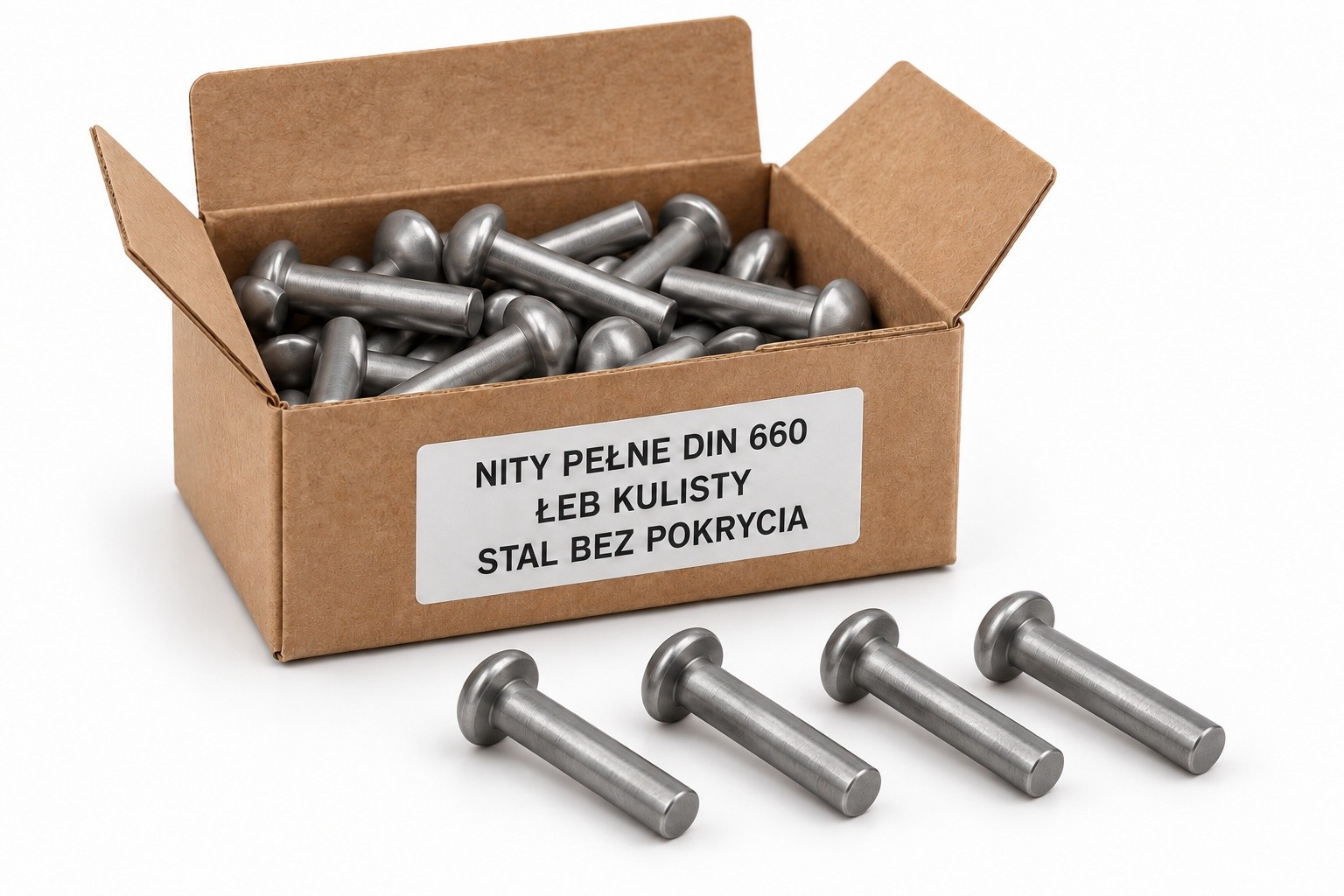
Sales unit: Pack — 100 steel rivets DIN 660 8 × 60 mm. The price covers this quantity.
Indicative catalogue weight of the applicable full pack of 100 pieces: 2,69 kg. This is the catalogue weight of this pack, not a weighing result at NERON.
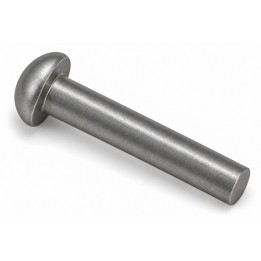
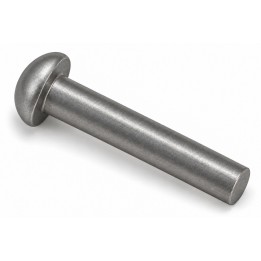
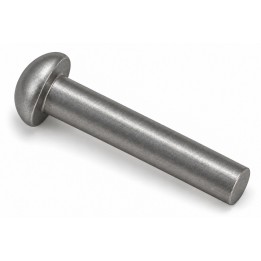
The graphics show the product family and illustrative packaging; they do not document the exact number of pieces or the actual delivery carton. Dimensions and quantity are specified in the specifications table. The in-house diagram shows the rivet before installation and is a catalogue illustration, not manufacturing documentation.
Frequently asked questions
How many rivets does the price cover?
The price covers 100 pieces.
Does the length of 60 mm include the head?
No. The nominal length of 60 mm is measured under the factory-formed round head.
What do forms A and B in the installation table mean?
Form A is a round closing head after riveting, and form B a conical closing head. For this size, thickness s — form A: To be confirmed; form B: To be confirmed. Installation hole: 8,4 mm.
Is the rivet zinc-plated?
No. This offer is for uncoated steel; it is not the zinc-plated version. The specific steel grade requires confirmation.




Comments (0)
Your review appreciation cannot be sent
Report comment
Report sent
Your report cannot be sent