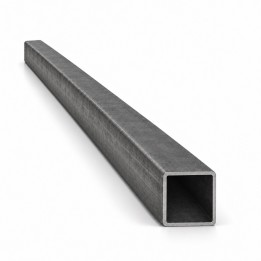
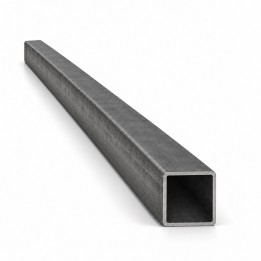
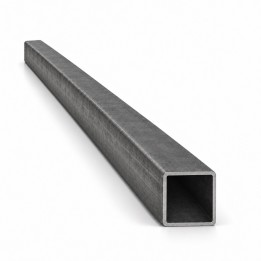
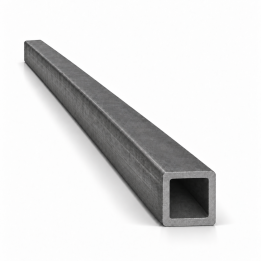
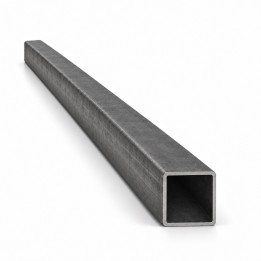
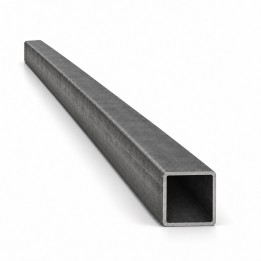
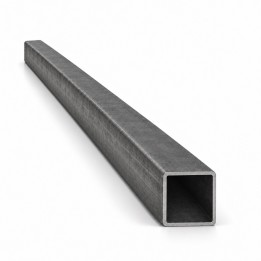
Square steel hollow section 15x15x2 DC01 - length 2000 mm
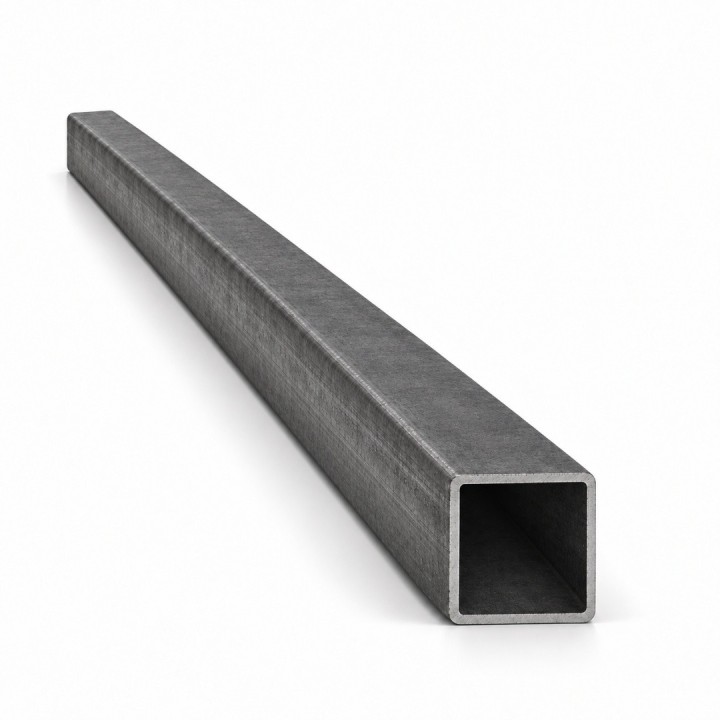
Square steel hollow section 15x15x2 mm DC01, length 2000 mm (200 cm). Sale: 1 piece.
Section length — grade DC01
Square steel hollow section 15x15x2 DC01 - 2000 mm
The offer covers 1 steel section 2000 mm (200 cm) long. The external cross-section is 15 x 15 mm and nominal wall thickness is 2 mm. Material: DC01 steel.
Technical specifications
| Type | Square steel hollow section |
|---|---|
| Width a | 15 mm |
| Height a | 15 mm |
| Wall thickness t | 2 mm |
| Length L | 2000 mm (200 cm) |
| Material | DC01 steel |
| Sales unit | 1 piece |
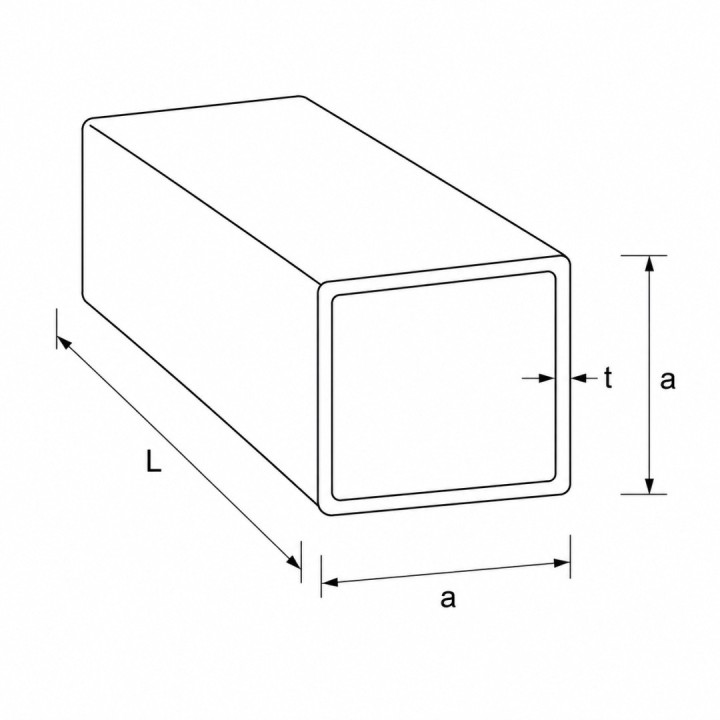
Drawing and dimensional symbols
Both sides of the square cross-section are denoted by the letter a. The symbol t refers to wall thickness, and L to section length.

Applications of the 15x15x2 mm section
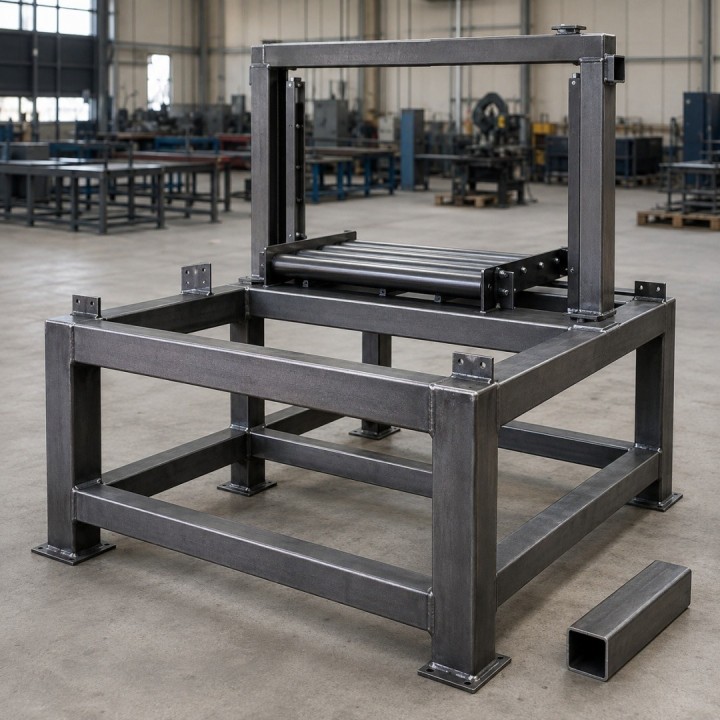
The 2000 mm section can be used in frames, support frames, brackets and workshop structures. Cross-section, material and joining method should be selected for the specific design and anticipated loads.
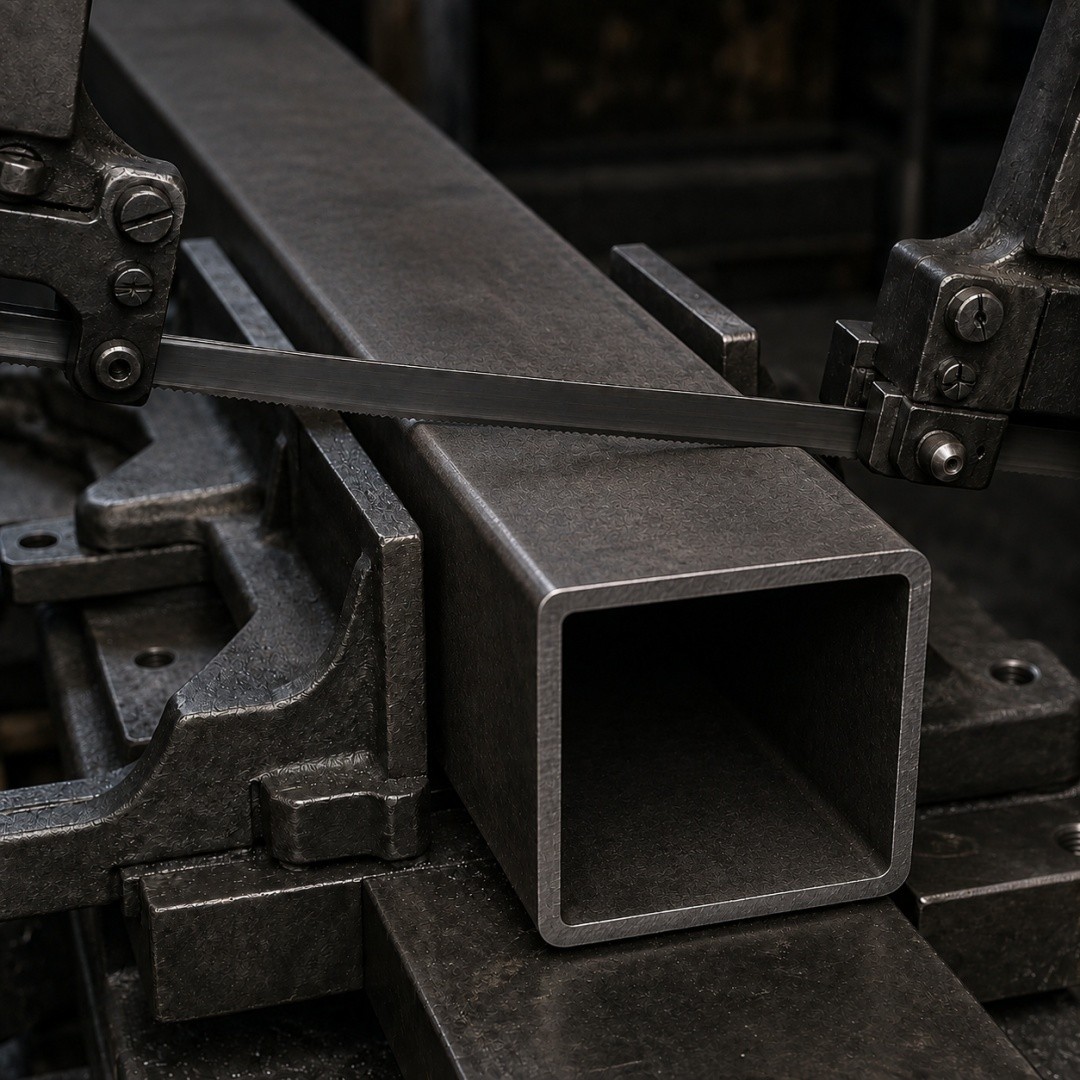

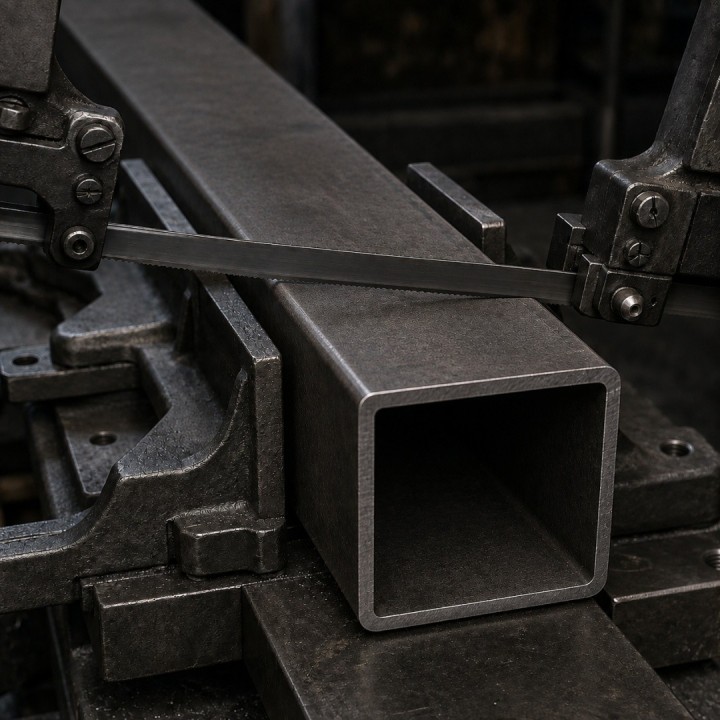
The application photos show examples. The offer covers the section alone in the stated dimensions, without additional structural components.
Purchase and available lengths
The price is for one piece 2000 mm long, not one metre. Other lengths of the same 15x15x2 DC01 section can be selected in the section Section length above the purchase button. Each length has its own card, price and availability.
Theoretical mass
The theoretical mass of one 2000 mm-long piece is 1,633 kg. The calculation uses a steel density of 7850 kg/m³ and nominal section and wall dimensions, without accounting for corner radii. Actual mass may differ due to corner geometry and manufacturing tolerances.
Questions and answers
What are the dimensions of the section being sold?
15 x 15 mm, wall 2 mm, length 2000 mm. Steel grade: DC01.
Does the price include the finished structure in the photo?
No. The sale covers 1 section; the application photos are illustrative.
When will the product be dispatched?
For an in-stock product: dispatch within 2 days. Delivery time depends on the carrier.
NERON Piła - help with selection
Need another length or help selecting material? Contact NERON in Piła, stating cross-section, grade, wall thickness, length and required number of pieces.

-
ConditionNew
-
Sales unitpcs
-
Materialsteel
-
Typeprofile
-
Length [mm]2000
-
Wall thickness2
-
Product width15
-
Product height15
1. Eye protection:
– Always wear safety goggles or a face shield to protect your eyes from sparks, particles and metal fragments.
2. Hearing protection:
– When working in a noisy environment, use ear defenders or earplugs to prevent hearing damage.
3. Respiratory protection:
– When working in dusty surroundings or in the presence of fumes, wear a filtering mask or an appropriate respirator.
– Ensure proper ventilation of the workstation.
4. Hand and skin safety:
– Use protective gloves that protect against mechanical injuries and chemicals.
– Where necessary, use protective creams to prevent irritation and dry skin.
5. Work clothing:
– Work in protective clothing resistant to sparks and splashes.
– Avoid loose clothing, jewellery and loose hair near machinery.
6. Fire risk:
– Keep the workstation free of flammable materials (e.g. paper, fabrics and chemicals).
– Keep a serviceable fire extinguisher close at hand and know how to use it.
7. Electrical hazards:
– Check the condition of cables and electrical equipment before use.
– Do not use electrical devices in damp conditions.
– Disconnect equipment from the power supply during maintenance or repairs.
8. Use of machinery and tools:
– Regularly inspect the technical condition of machines and tools.
– Use equipment in accordance with the manufacturer's instructions.
– Blades and tools should be maintained regularly and kept in good condition.
– Machines should be fitted with appropriate guards and protective devices.
9. Handling materials:
– Use handling equipment to move heavy components.
– Lift and carry using ergonomic practices to avoid injury.
10. Working with chemicals:
– Store chemicals in labelled, safe containers.
– Use substances in accordance with the manufacturer's instructions and occupational health and safety rules.
– Ensure air circulation when using chemicals.
Other important rules:
– Keep the workstation clean and tidy.
– Ensure adequate lighting in the working area.
– Provide occupational health and safety training.
– Carry out regular safety audits and comply with current regulations.