PA6-G – CAST POLYAMIDE / NATURAL COLOUR
It is a very popular engineering plastic and, alongside PA6, is widely used. It machines very well, has good mechanical properties and is affordable. In industry it is used to manufacture heavily loaded machine and equipment components. It is harder than PA6.
PA6-G MOS2 – CAST POLYAMIDE / COLOUR BLACK
This material is made by adding MoS2 (molybdenum disulfide) lubricant to the base plastic. This additive increases wear resistance and improves the sliding properties of the polyamide. The plastic retains high impact and fatigue strength.
PA6-G + OIL – CAST POLYAMIDE FILLED WITH LUBRICANT / COLOURS YELLOW, GREEN, BLACK, RED, BLUE
This material was specially developed for moving machine parts that require no lubrication. The lubricant used (mineral oil or solid lubricant, depending on the colour) significantly reduces the coefficient of friction compared with base PA6-G. Wear resistance also increases significantly.
Typical applications include plain bearings, bearing shells, sliding inserts and chain guides, as well as gears and racks, sprockets and pulleys.
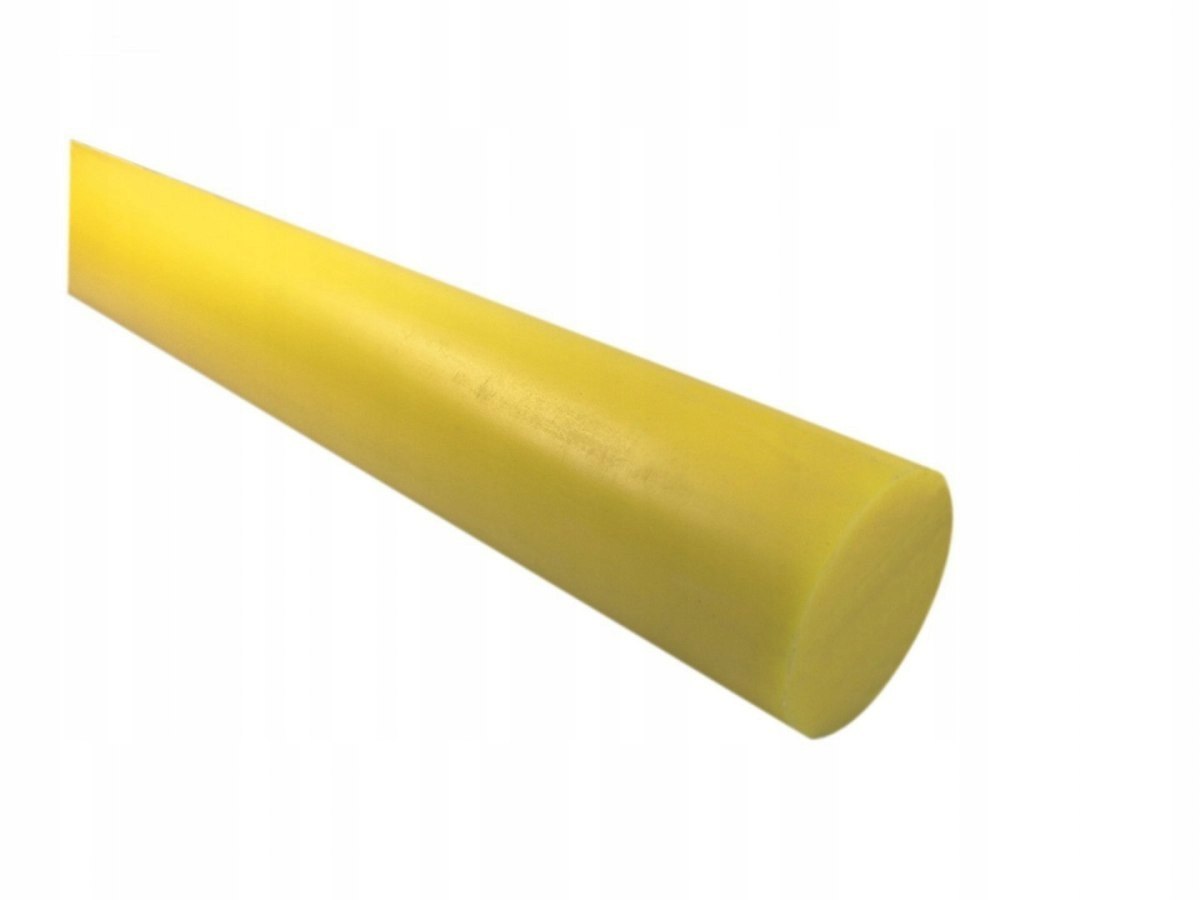
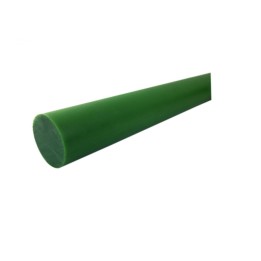
Polyamide rod Ø 100x1000mm PA6-G yellow
Product description:
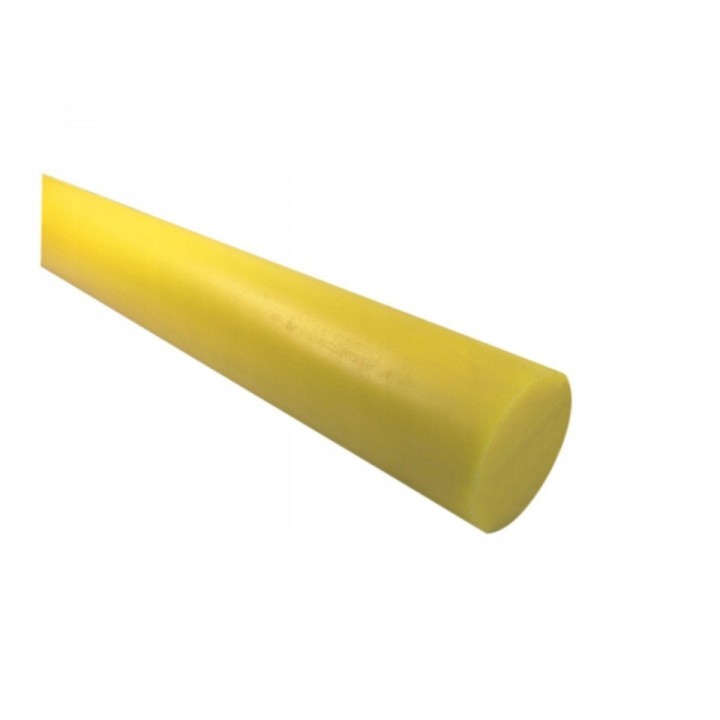
- Name: Polyamide rod, colour yellow
- Quantity sold: 1 pc. x 1000 mm
- Size: Ø 100 mm
- Material: PA6-G
Technical specifications:
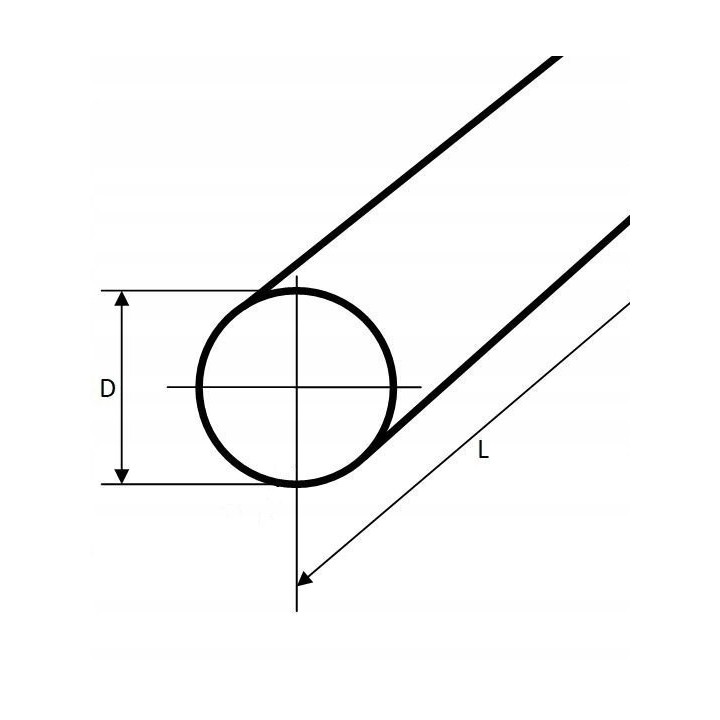
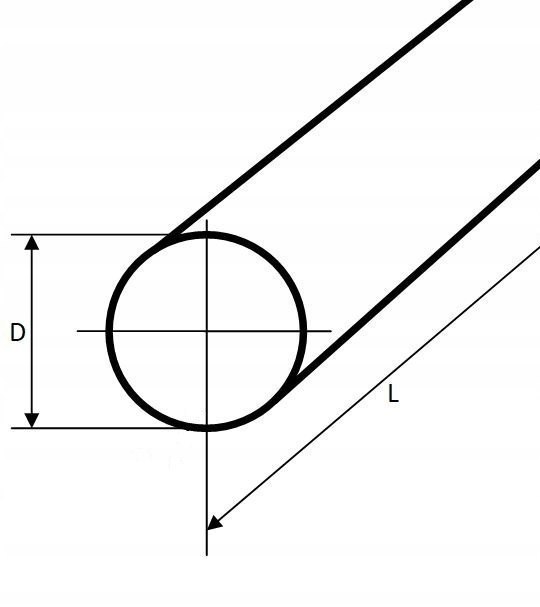
- D = 100 mm
- L = 1000 mm (100 cm)
- Dimensional tolerance: +1,0mm / +4,0mm
PA6-G + oil-Cast polyamide filled with lubricant / colour yellow
This material was specially developed for moving machine parts not requiring
lubrication. The lubricant used (mineral oil) significantly reduces the coefficient of friction.
Wear resistance also increases significantly. It machines very well and has
good mechanical properties and is affordable. It is used in industry as
a material for manufacturing machine and equipment parts.
Properties: high mechanical strength, high stiffness and hardness
good machinability, high vibration damping capacity, high wear resistance
high fatigue strength
Example applications: conveyor rollers, guide wheels, tensioner rollers,
pulleys and sprockets, drive and idler wheels, spacer bushes, parts for mechanical
seals, support boards for cutting dies.




Comments (0)
Your review appreciation cannot be sent
Report comment
Report sent
Your report cannot be sent