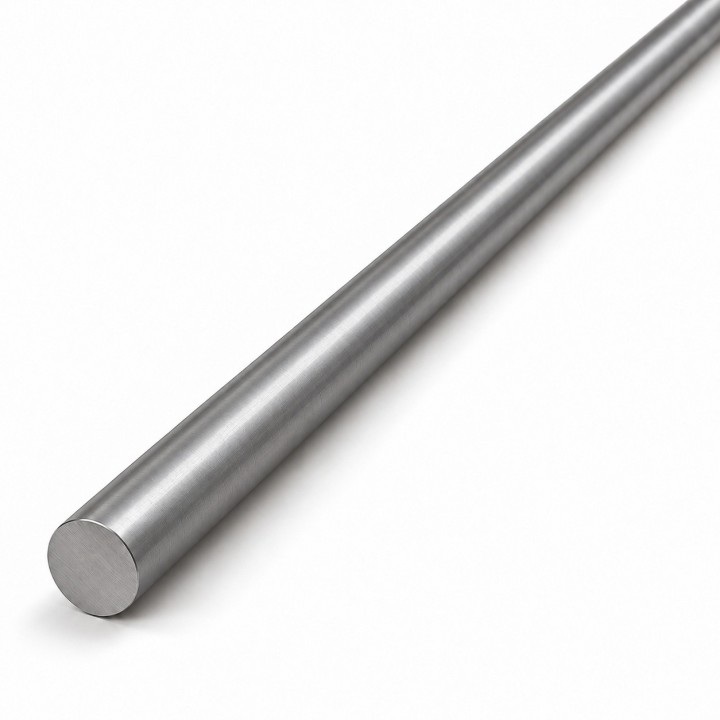
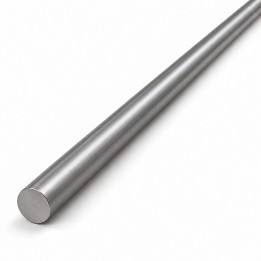
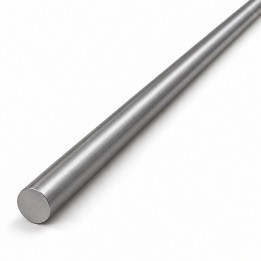
Drawn S355 steel bar h9 — Ø90 × 500 mm, 1 pcs.
Solid round bar made of drawn S355 steel. This offer includes one bar of 500 mm in length. The price covers one piece.
Select dimensions — drawn bar S355 h9
1. Diameter d [mm]
After selecting a diameter or length, check the number of pieces in the offer.
2. Length L [mm]
3. Pieces per sales unit
Price for 1 pcs. Ø90 × 500 mm. The length applies to each bar.
Technical specifications
| Product type | Solid round bar |
|---|
| Material | Steel S355 |
|---|
| Condition | Drawn |
|---|
| Nominal diameter d | 90 mm |
|---|
| Diameter tolerance | h9 — deviations +0 / −0,087 mm |
|---|
| Minimum diameter | 89,913 mm |
|---|
| Maximum diameter | 90,000 mm |
|---|
| Tolerance zone width | 0,087 mm (87 µm) |
|---|
| Length of one bar L | 500 mm (50 cm) |
|---|
| Number of bars per sales unit | 1 pcs. |
|---|
| Purchase unit | 1 piece = 1 bar Ø90 × 500 mm |
|---|
| Theoretical mass of one bar | approx. 24,970 kg |
|---|
| Theoretical mass of sales unit | approx. 24,970 kg |
|---|
| Length tolerance | To be confirmed when ordering |
|---|
For Ø90 mm h9, the upper deviation es = 0 mm and the lower deviation ei = −0,087 mm. The permissible diameter is 89,913–90,000 mm. The h9 designation applies to the bar diameter; length tolerance is agreed separately.
Bar surface and cross-section
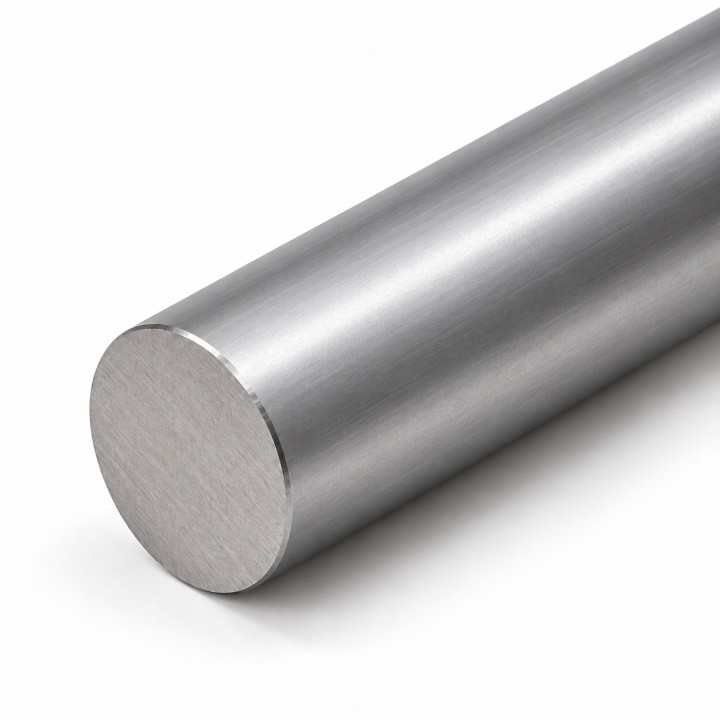
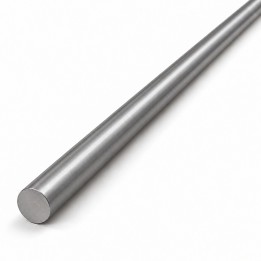
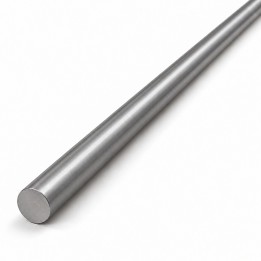
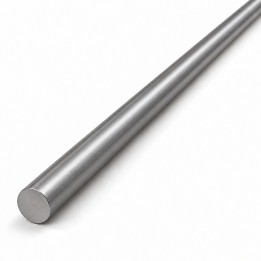
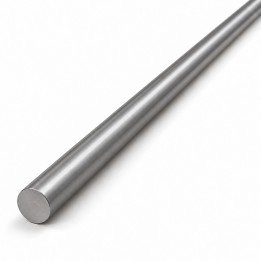
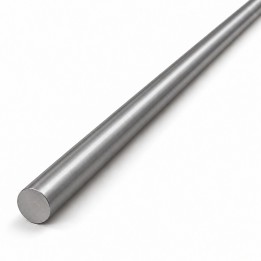
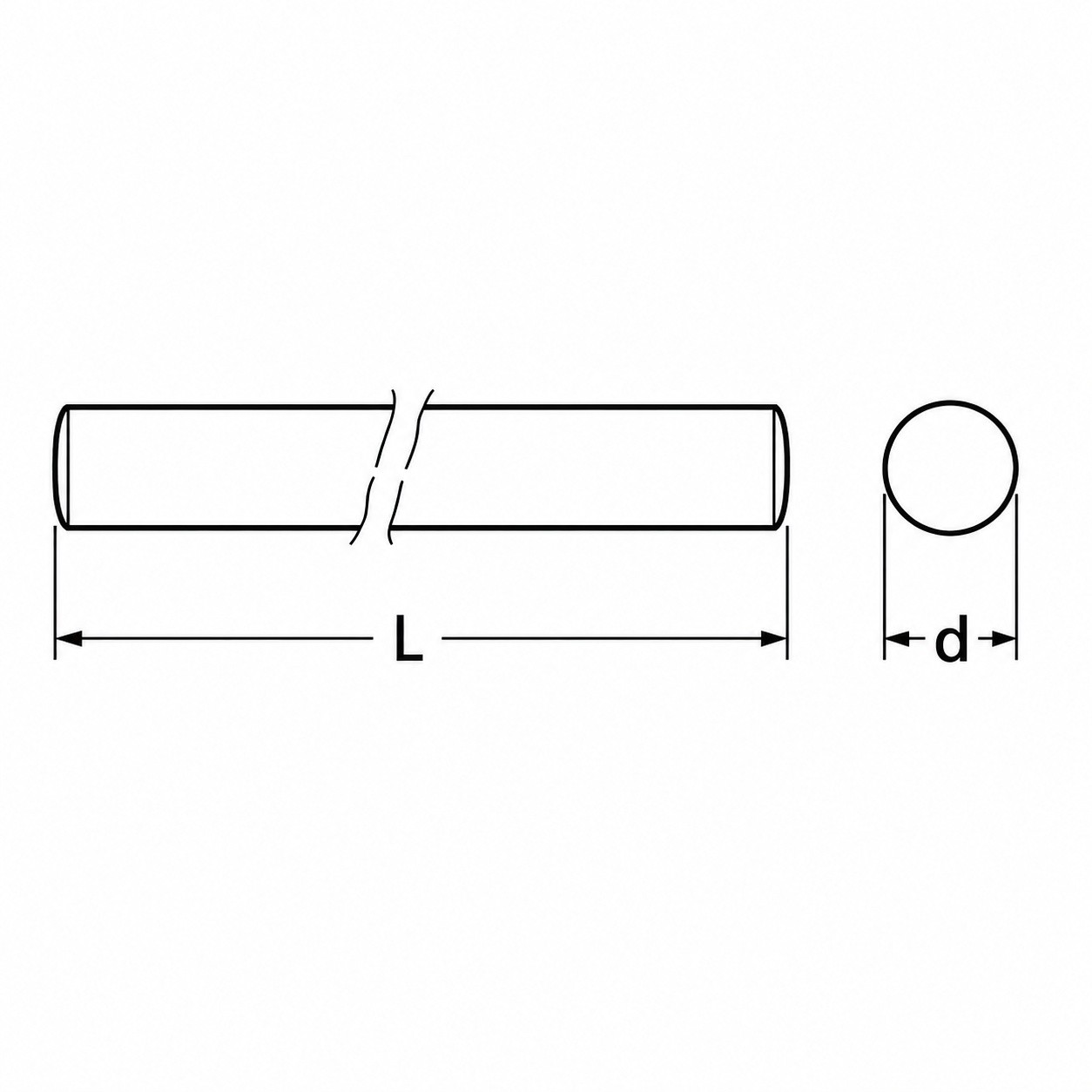
The graphic gives an indicative view of the bright surface of a drawn bar and its solid round cross-section. The selected offer specifies the number of bars.

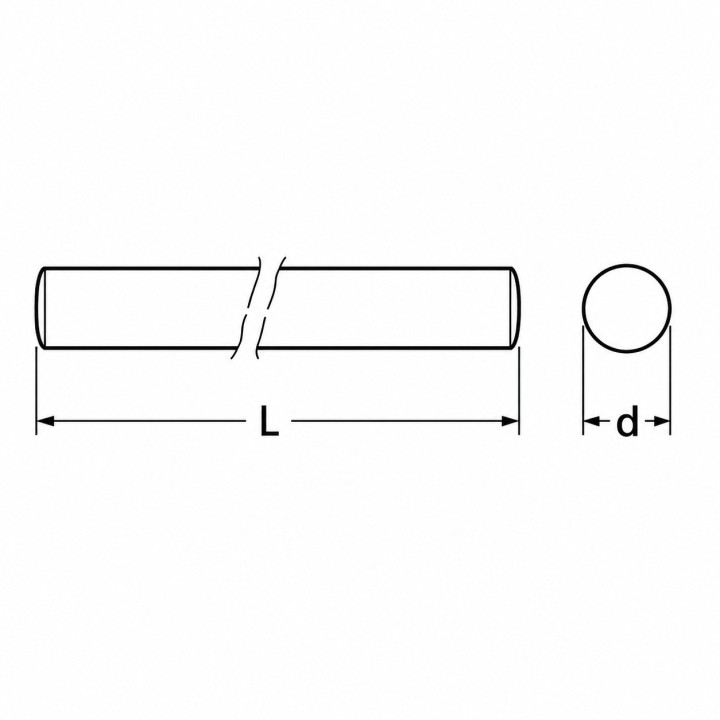
Section dimensions
The symbol d denotes the diameter and L the length of one bar. On this page, d = 90 mm and L = 500 mm. The diagram is illustrative and is not drawn to scale.
S355 steel — about the material
S355 is a structural steel used for structural and machine components and for further machining. Drawing is a cold-working process. The detailed material condition and properties of a specific delivery are defined by the material documentation.
Preparation and cutting
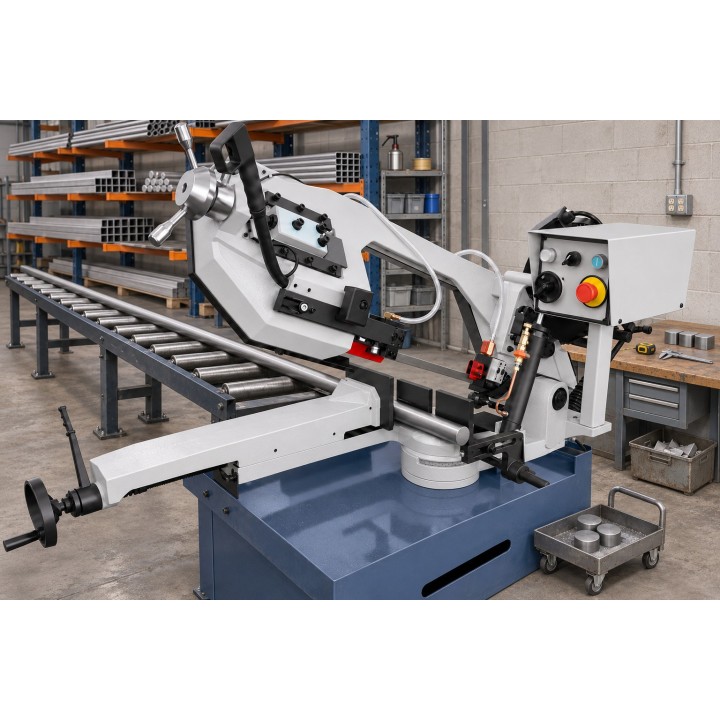
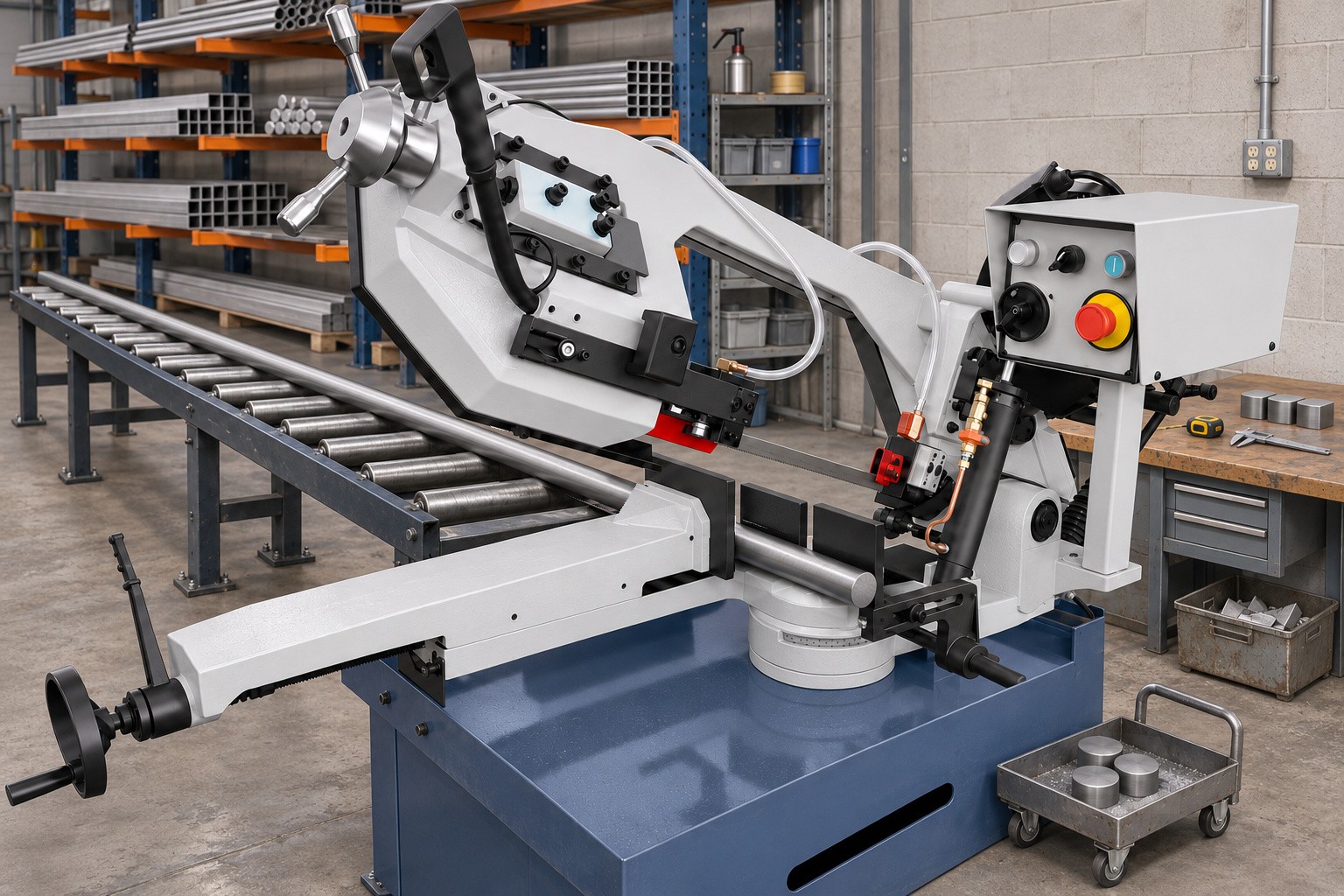
Contact the shop about another length. Confirm feasibility, cost and cutting tolerance before order fulfilment.
Standards and tolerances
The current reference for bright products of non-alloy and alloy steels, including drawn products, is EN ISO 683-7:2024, adopted in Poland as PN-EN ISO 683-7:2025-04. The Polish standard replaces PN-EN 10277:2018-09.
For the offered bar of Ø90 mm, the tolerance is specified as h9 in accordance with the ISO 286 system: +0 / −0,087 mm. Deviation values depend on the nominal diameter and tolerance grade.
The historical dimensional reference for bright shafts with tolerance h9 is DIN 669:1981-10, withdrawn and replaced by DIN EN 10278:1999-12. The edition DIN EN 10278:2024-01 excludes non-alloy and alloy steels covered by EN 10277; therefore EN ISO 683-7 is indicated as the current reference for this group. Material documentation confirms whether a specific delivery complies with the product standard.
How to order
On this page, purchasing 1 unit means one bar of Ø90 × 500 mm. Purchasing 2 units means a total of 2 separate bars of this length. The selected offer always specifies the number of pieces per purchase unit.
Order fulfilment
Dispatch of an in-stock product: within 5 days. Delivery time depends on the carrier. If there is no stock, availability must be confirmed.
Questions and answers
What does the price of this offer cover?
The price covers one bar of Ø90 × 500 mm.
Does the offer include a pack?
All identified offers in this S355 family include one bar each. Purchasing several units means several separate bars of the specified length.
Does the sales unit mass include all bars?
Yes. The theoretical mass of this unit is approximately 24,970 kg and includes 1 pcs. of 500 mm each.
What is the diameter range for Ø90 h9?
From 89,913 to 90,000 mm.
NERON Piła — help with selection
Contact NERON, specifying the steel grade, diameter, length of one bar, number of pieces per pack and number of packs.