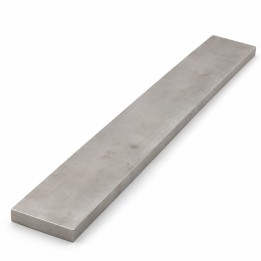
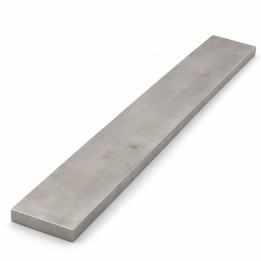
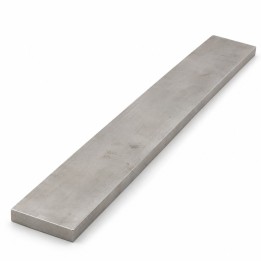
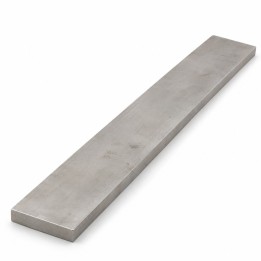
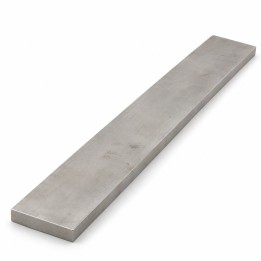
Stainless steel flat bar AISI 304 70 × 6 mm — length 1000 mm
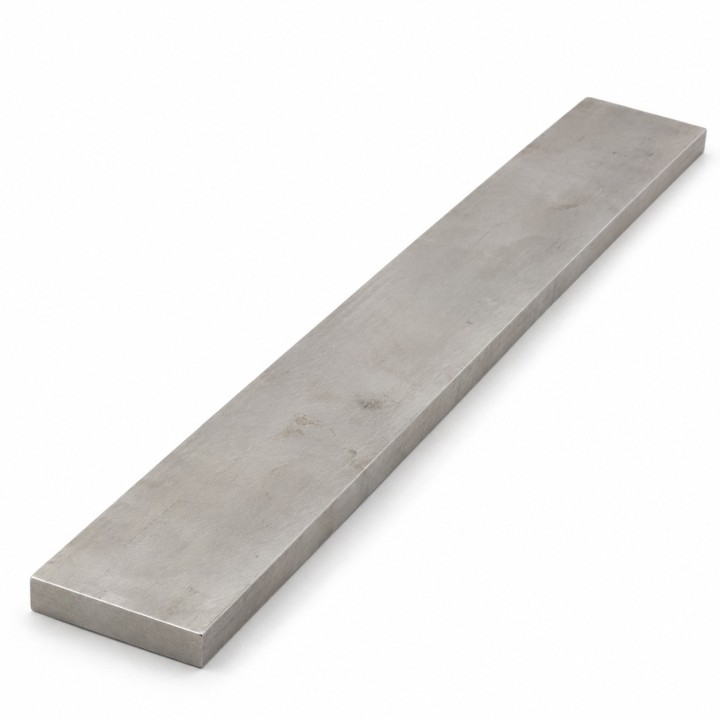
The offer includes one flat bar cut length of 1000 mm. This is solid material with a rectangular cross-section, a width of 70 mm and a thickness of 6 mm, with an unfinished surface.
Technical specifications
| Material | Stainless steel AISI 304 |
|---|
| Cross-section | Solid rectangular |
|---|
| Width a | 70 mm |
|---|
| Thickness t | 6 mm |
|---|
| Section length L | 1000 mm |
|---|
| Surface | Unfinished |
|---|
| Sales unit | piece — one cut length |
|---|
Drawing and dimensional symbols
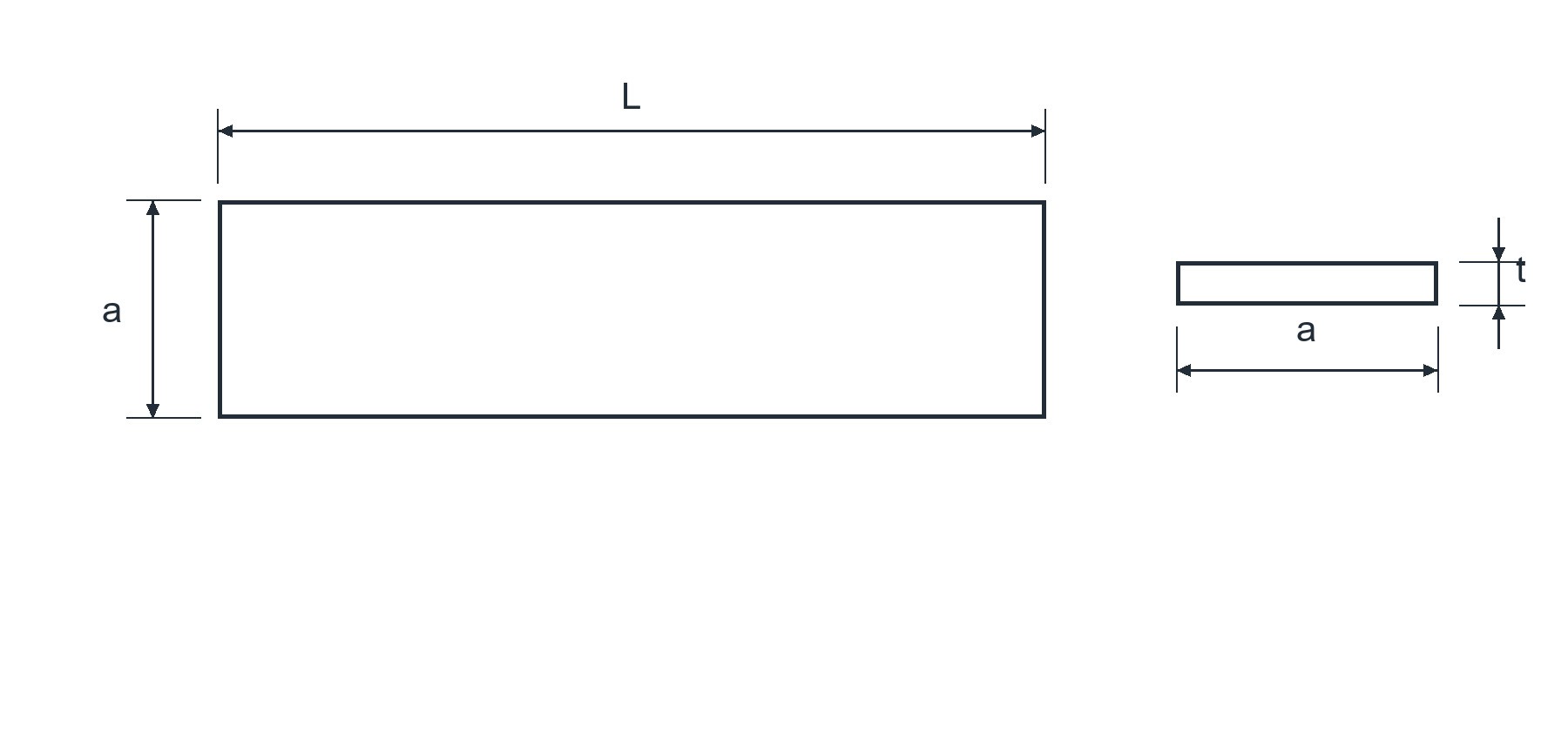
Click the drawing to view it at full size.
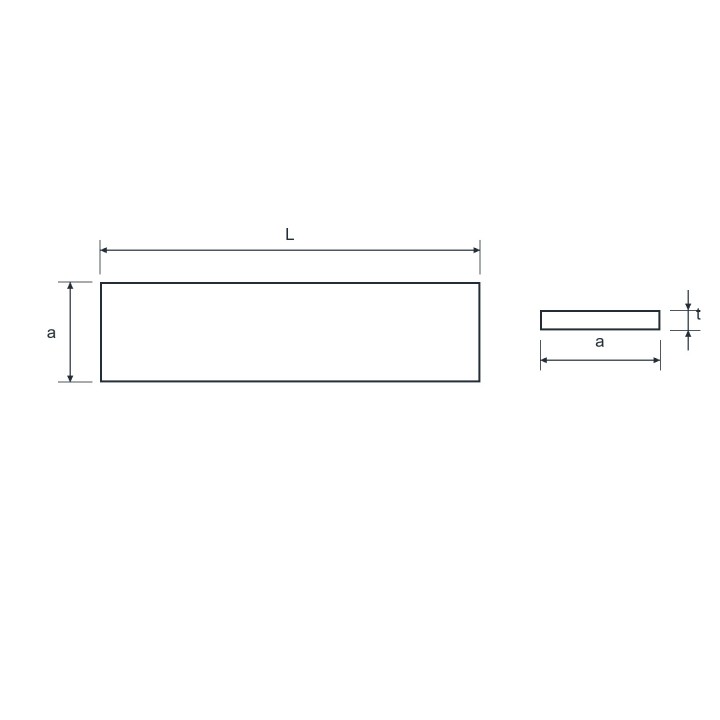
a = 70 mm indicates the width, t = 6 mm the thickness, and L = 1000 mm the cut length. The left view shows the wide surface and the right view the solid rectangular cross-section. Dimension lines refer to the outer edges. The diagram is illustrative; proportions may differ from the selected variant. Nominal dimensions are specified in the table; required tolerances and fits must be agreed before purchasing.
Material and surface
AISI 304 stainless steel flat bar with an unfinished surface. It is not offered as a decoratively brushed or mirror-polished item. The surface may bear marks from manufacturing, storage and transport. If surface appearance, dimensional tolerances or a material document are conditions of purchase, confirm your requirements with the shop before ordering.
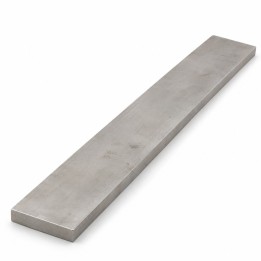
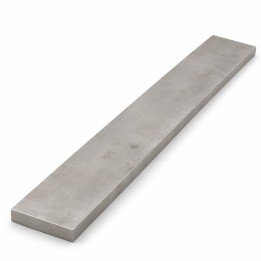
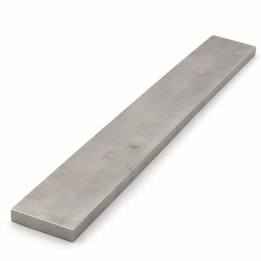
The main illustration shows the type of material and cross-section. The actual length, width and thickness correspond to the specifications of the selected offer.
Applications and selection for machining
The flat bar is semi-finished stock for making strips, handles, brackets, mounting parts and custom-designed components. Select the cross-section, grade and joining method to suit the loads and operating conditions of the finished part. Allow for the required machining allowances when planning cutting, drilling or other machining. For applications requiring specific tolerances or material properties, provide your requirements before purchasing.
Purchasing and selecting variants
Buying one piece means one 1000 mm cut length. Buying several pieces means separate sections of the ordered length. Beside the price, select the width, then an available thickness and length. Subsequent sections show only existing variants compatible with the previous selection. Each offer has its own price and availability.
Preparation and cutting
For a different length, contact the shop and confirm cutting availability, cost, tolerance and lead time. Specify the flat bar width and thickness, the length of each piece and the quantity. A different division of the material requires prior agreement.
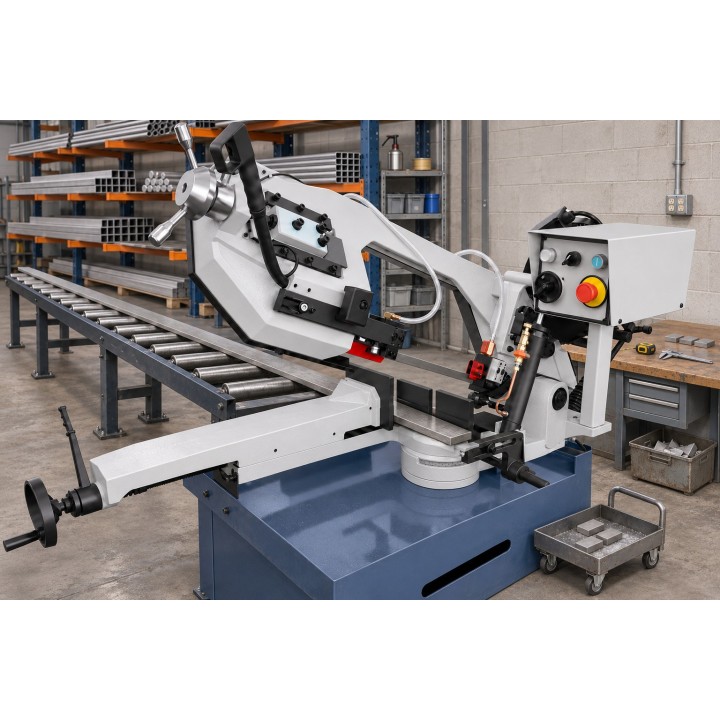
Preparing a flat bar for cutting with a horizontal bandsaw — illustrative view of the service.
Delivery
The length of the packed material and the total order weight affect the available transport options. Check the delivery methods and cost for your address and number of pieces in the cart.
Frequently asked questions (FAQ)
What do the flat bar dimensions mean?
70 mm is the width, 6 mm is the thickness and 1000 mm is the cut length in this offer. The cross-section is solid and rectangular.
What will I receive if I buy several pieces?
Each piece is a separate cut length of 1000 mm. Multiple pieces do not automatically mean one longer item.
Is the surface brushed or polished?
The offer is for an unfinished surface, with no declared decorative brushing or mirror polishing. Please specify any appearance requirements before purchasing.
What material grade does the offer cover?
The offer is for AISI 304 stainless steel. If you need a material document or confirmation of additional requirements, contact the shop before ordering.
Can a different length be ordered?
Arrange this with the shop, specifying the cross-section, lengths and number of pieces. Confirm the cost, lead time and cutting tolerance before ordering.
How do I select a different width or thickness?
Select the width using the tiles beside the price, then one of the available thicknesses and lengths. Each selection opens the corresponding offer with its price and availability.
NERON Piła — help with selection
Contact NERON, specifying the width, thickness, length and number of pieces, along with your material and surface requirements.