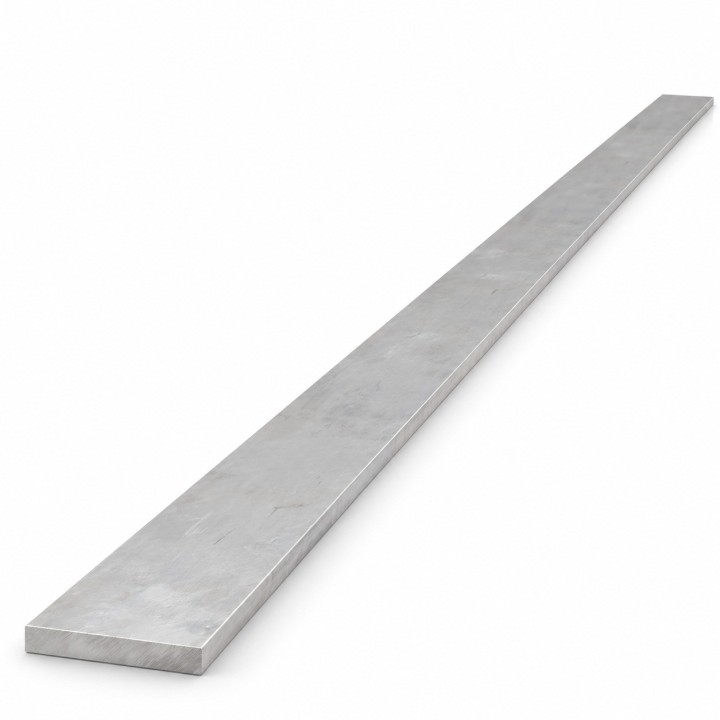
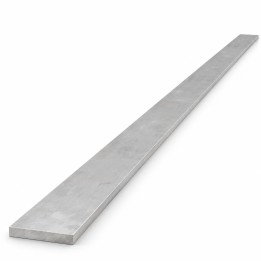
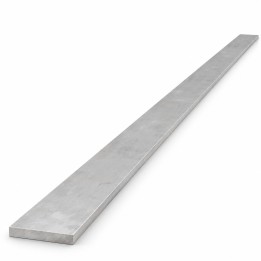
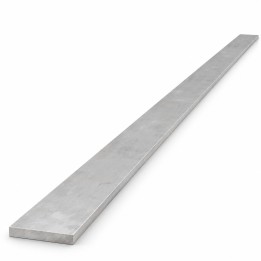
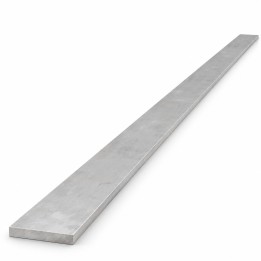
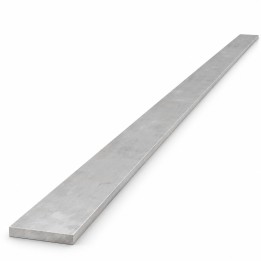
Aluminium flat bar 50 × 6 mm — length 1500 mm
The price covers one section 1500 mm long, 50 mm wide and 6 mm thick. The flat bar has a solid rectangular cross-section and an unfinished aluminium surface.
Technical parameters
| Material | Unfinished aluminium |
|---|
| Cross-section | Solid, rectangular |
|---|
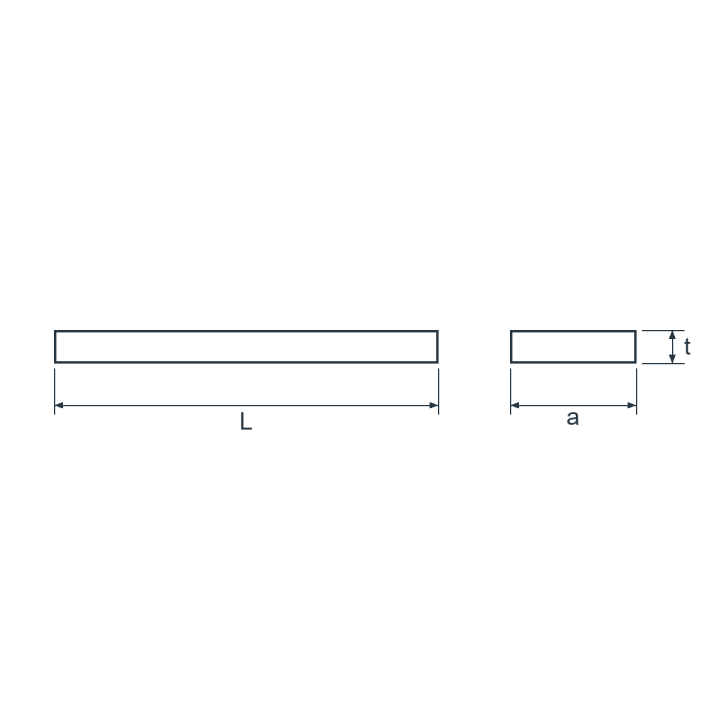
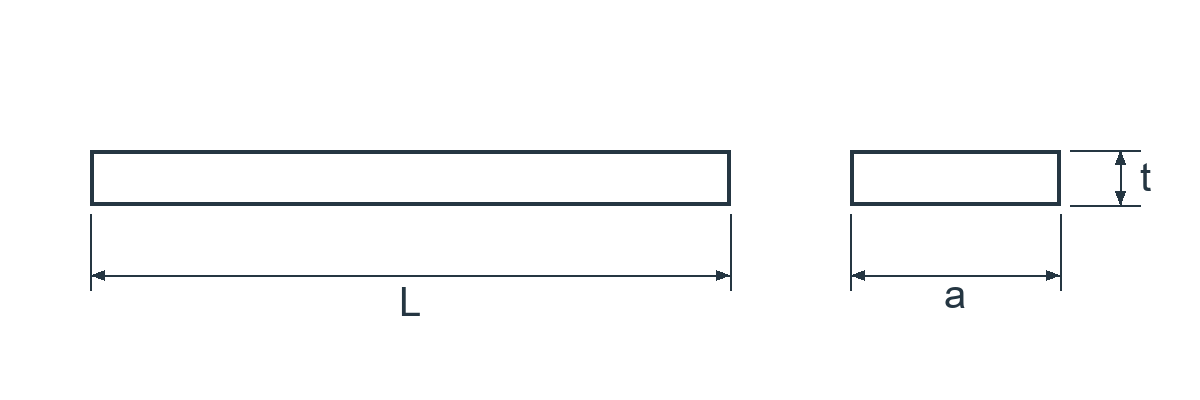
| Width a | 50 mm |
|---|
| Thickness t | 6 mm |
|---|
| Length L | 1500 mm |
|---|
| Sales unit | 1 section |
|---|
| Theoretical section mass | 1,215 kg |
|---|
The mass was calculated from nominal dimensions using an aluminium density of 2700 kg/m³. The actual section mass may vary depending on alloy and manufacturing tolerances.
Drawing and dimension labels
Click the drawing to view it at full size.
a = 50 mm indicates the width, t = 6 mm the thickness, and L = 1500 mm the section length. Dimension lines refer to the material’s outer edges. The diagram explains the labels. The proportions of this specific offer are defined by the dimensions in the table.
Material and surface
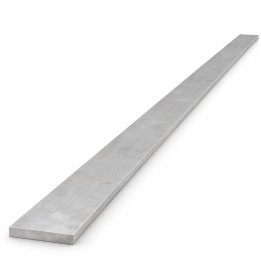
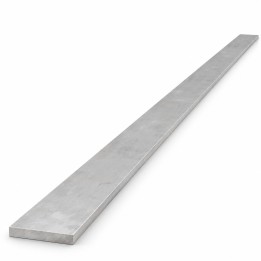
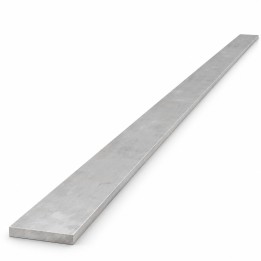
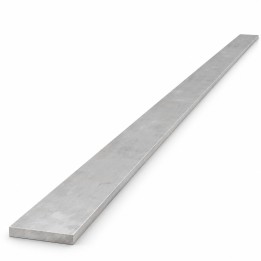
Unfinished aluminium without an additional decorative finish. The surface is not brushed, polished, anodised or painted. The main photo illustrates the general appearance of this material type.
If a specific aluminium grade or temper is required, confirm the material currently available before purchase.
Applications and selection for machining
The flat bar can serve as stock material for strips, spacers, washers or components machined by drilling and milling. Match the cross-section and material to the requirements of the finished component. When dividing the section, allow for the saw kerf and extra material for facing the ends and further machining.
Purchase and dimension selection
Buying one piece means one 1500 mm section. Buying three pieces means three separate sections of 1500 mm each. Beside the price, select the width, the thickness available for it and then the length. Each offer has its own price and availability.
Preparation and cutting
For a different dimension, contact the shop and confirm cutting feasibility, cost and tolerance. State the flat bar cross-section, individual section length and number of pieces.
Preparing to cut a flat bar with a band saw — illustrative image.
Delivery of a 1500 mm section
The length of the packed material and the total order mass affect the available transport methods. You can check delivery methods and costs for your address and number of sections in the basket.
Frequently asked questions (FAQ)
What does the 50 × 6 mm dimension mean?
The first number indicates the width of 50 mm and the second the thickness of 6 mm. The length of this section is 1500 mm.
How much will I receive when ordering several pieces?
Each piece is a separate 1500 mm section. Buying three pieces gives you three such sections.
Is the surface brushed or polished?
The material has an unfinished surface. A decorative finish must be planned as a separate processing step.
Can I order a specific aluminium grade?
Send the required grade and temper before purchase. The shop will confirm the availability of material meeting your requirements.
Can I obtain an exact dimension after machining?
The offer dimensions are nominal. If a specific fit is required, allow extra material and agree the material and cutting tolerances before ordering.
NERON Piła — selection assistance
Contact NERON in Piła, stating the width, thickness, length and number of sections. If selecting material to a technical drawing, also state the required grade and tolerances.