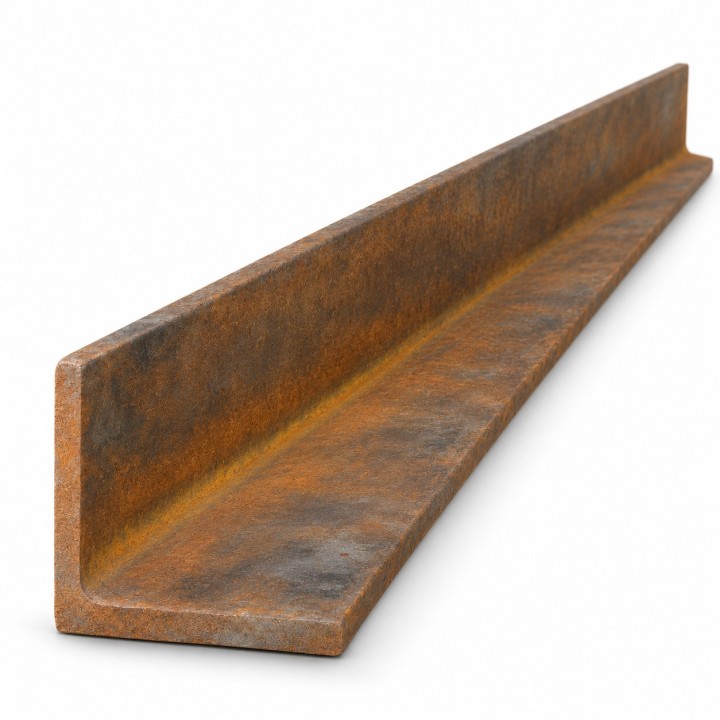
Corroded hot-rolled steel angle 65X65X8 12000 mm — S235
Corroded equal angle S235 65 × 65 × 8 mm, length 12000 mm. The price is for 1 piece. Theoretical weight 92,760 kg.
Select dimensions — hot-rolled S235 angle — with corrosion
1. Cross-section a × b [mm]
| 65 × 65 | 100 × 100 |
2. Wall thickness t [mm]
| 8 mm |
3. Length L [mm]
| 12000 mm |
Corroded hot-rolled S235 angle 65 × 65 × 8 × 12000 mm
Corroded equal angle with nominal legs 65 × 65 mm. The price covers one piece 12000 mm long.
Technical specifications
| Parameter | Value |
|---|---|
| Material | Steel S235 |
| Condition | Hot-rolled equal angle |
| Surface condition | With corrosion |
| Leg a | 65 mm |
| Leg b | 65 mm |
| Leg thickness t | 8 mm |
| Section length L | 12000 mm |
| Sales unit | 1 piece |
| Theoretical weight of nominal cross-section, 1 piece | 92,760 kg |
Surface condition
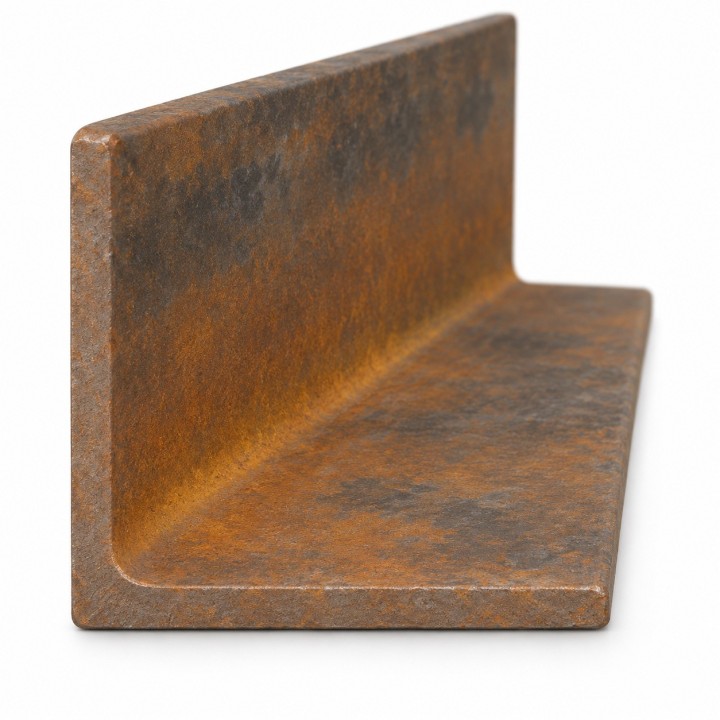
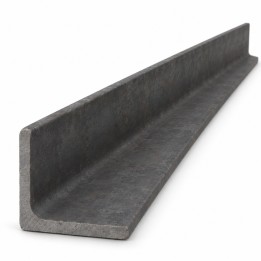
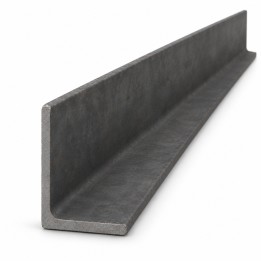
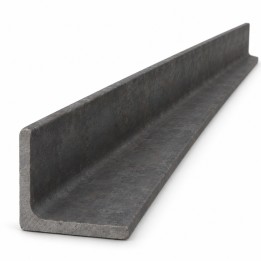
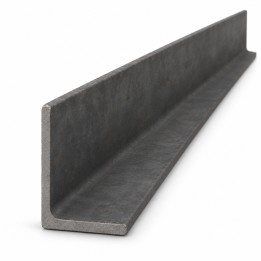
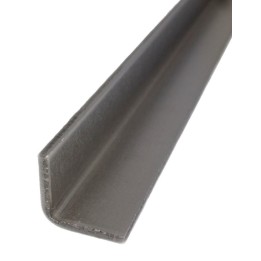
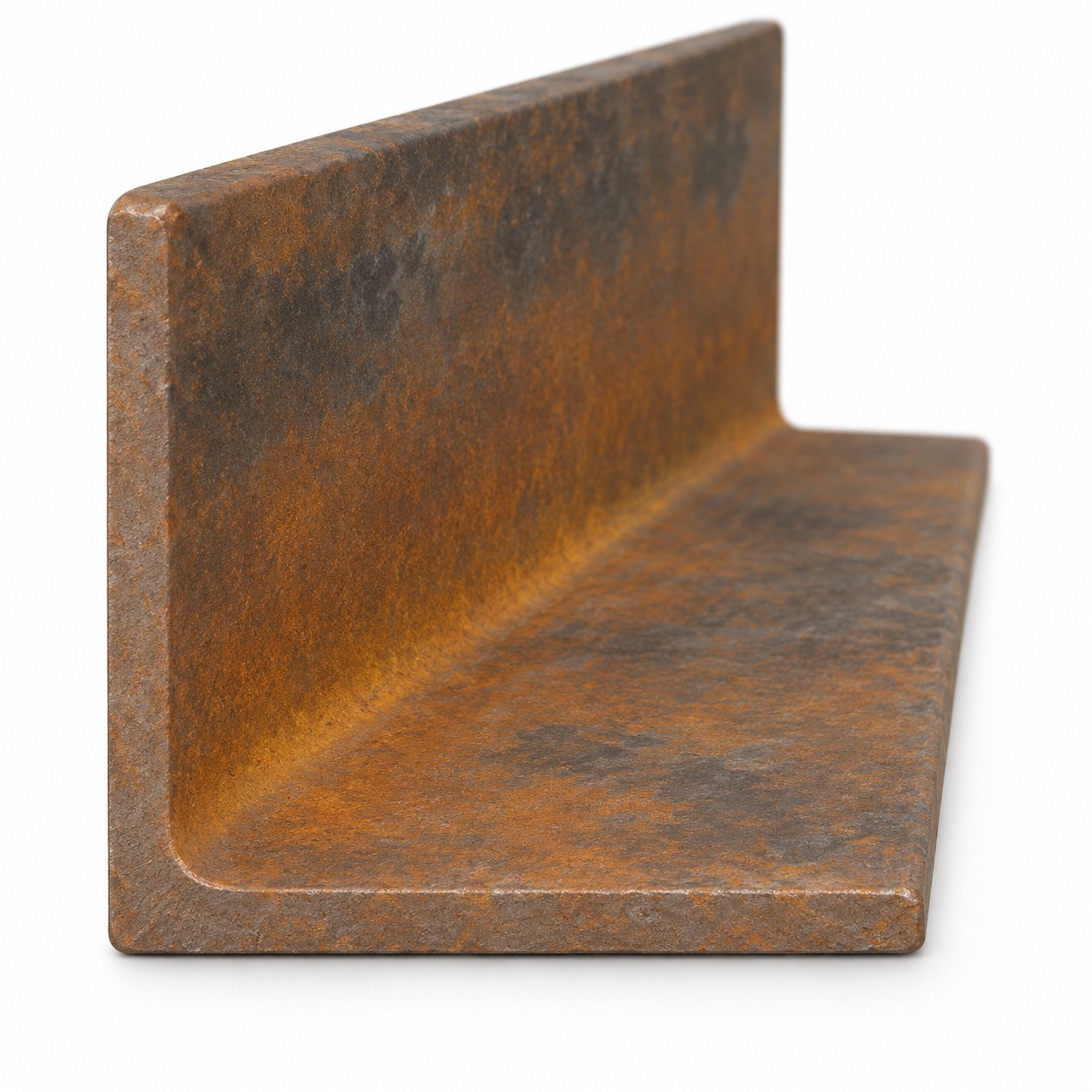
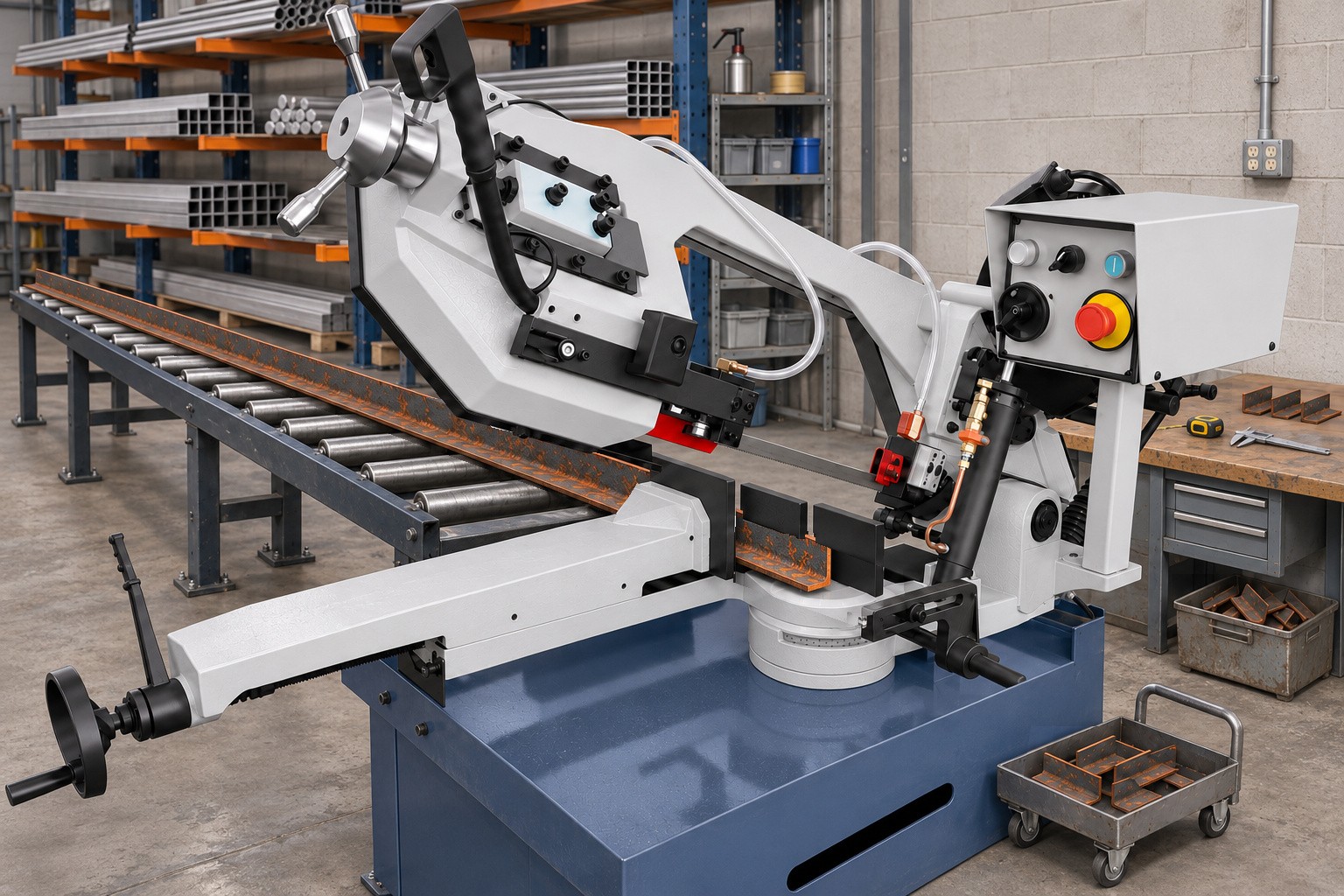
The offer is for a corroded angle. Illustrative images show the appearance of corroded steel. The surface condition and any material loss must be assessed for the specific piece. If the application requires a specified minimum thickness, arrange measurement before ordering.
Preparation and cutting
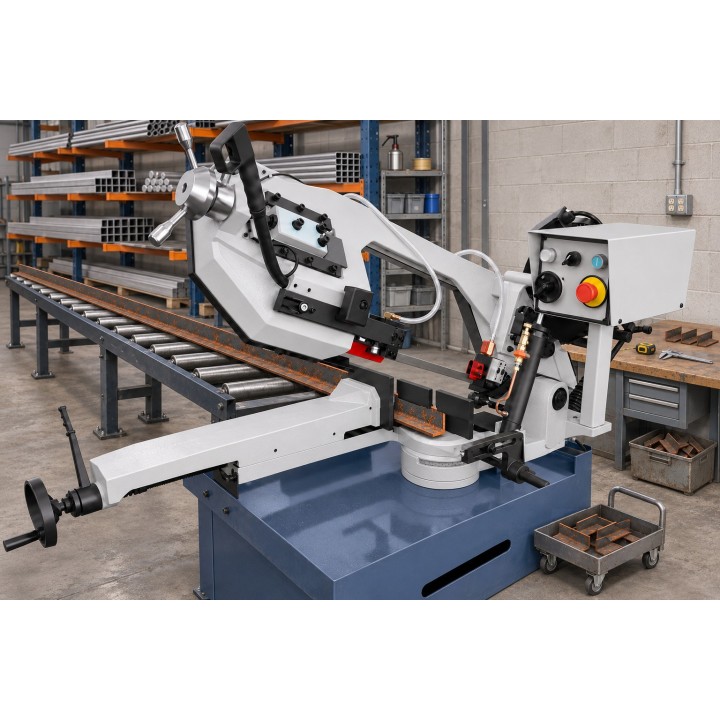
The required cutting tolerance and preparation of the pieces can be agreed before ordering.
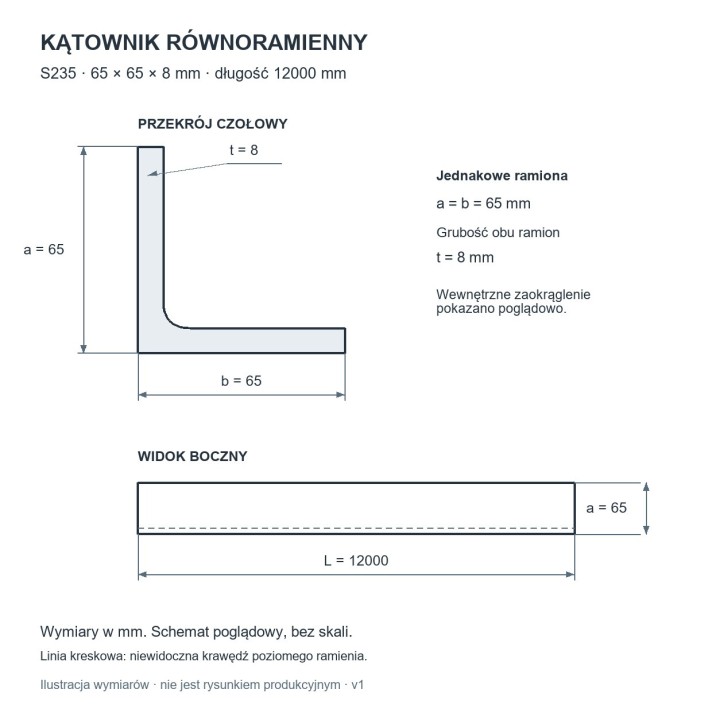
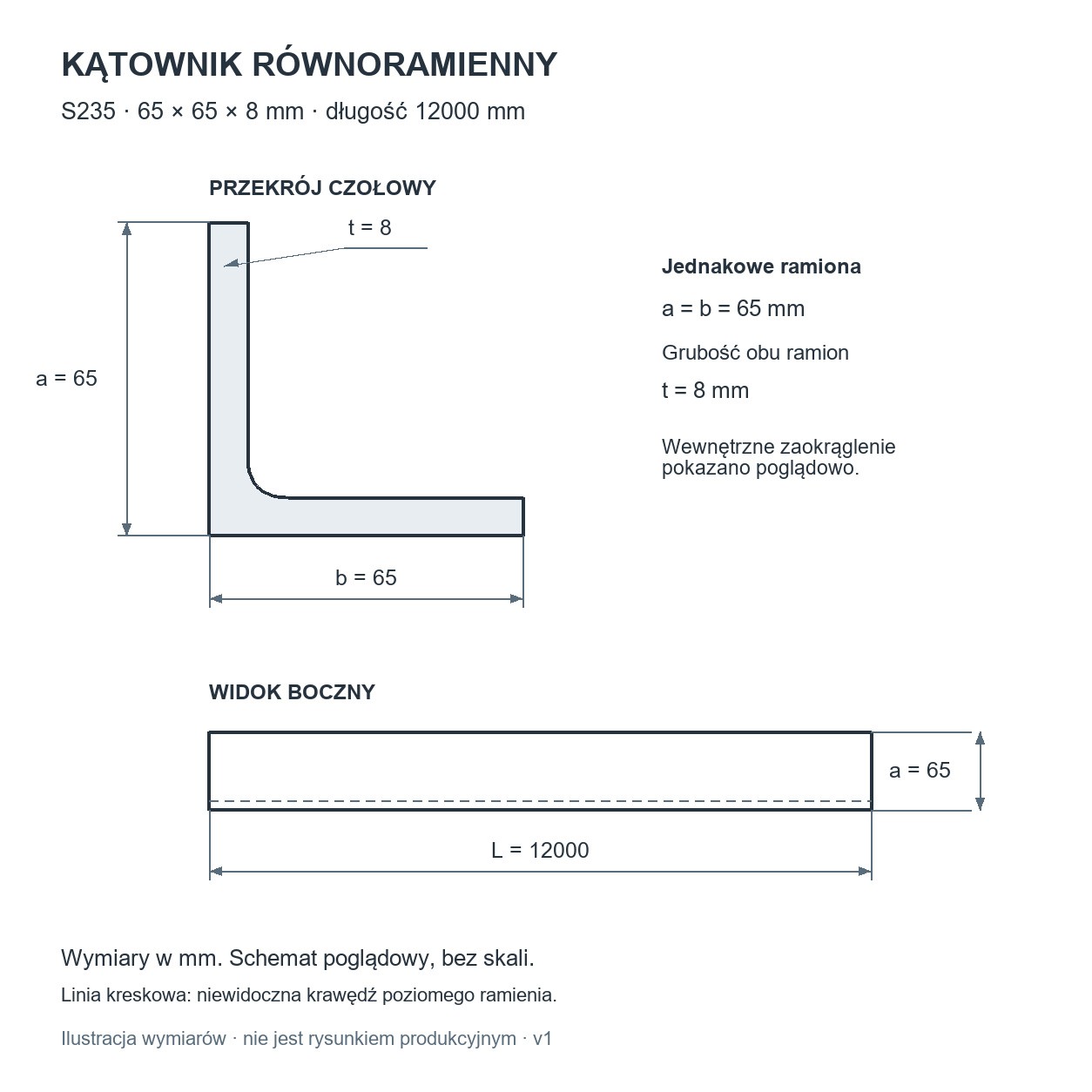
Angle dimensions and cross-section
In the diagram, a and b denote legs of equal size, t the thickness of both legs and L the cut length.
Standards and tolerances
Reference standards for this angle type are PN-EN 10056-1:2017-03 (dimensions) and PN-EN 10056-2:1998 with amendment Ap1:2003 (tolerances). Edition PN-EN 10056-1:2017-03 replaced PN-EN 10056-1:2000.
Reference values according to PN-EN 10056-2. The stated ranges refer to the nominal rolled cross-section. The dimensional deviation applies to each of the two legs.
| Parameter | Value |
|---|---|
| Leg a = 65 mm | ±2 mm (63–67 mm) |
| Leg b = 65 mm | ±2 mm (63–67 mm) |
| Thickness t = 8 mm | ±0,75 mm (7,25–8,75 mm) |
The actual dimensions and weight of a corroded piece depend on its condition. Verification of the specific piece can be arranged before ordering.

-
ConditionZ korozją
-
StandardOdniesienie: PN-EN 10056-1:2017-03 i PN-EN 10056-2:1998
-
Sales unitpcs
-
MaterialSteel S235
-
TypeEqual angle
-
Length [mm]12000
-
Surface treatmentHot-rolled
-
BrandMik
-
Number of pieces per sales unit1
-
Wall thickness8 mm (leg thickness t)
-
Product width65 mm (ramię b)
-
Product height65 mm (ramię a)
-
Dimensional tolerancesEN 10056-2, wartości odniesienia: oba ramiona 65 mm ±2 mm (63–67 mm), grubość 8 mm ±0,75 mm (7,25–8,75 mm)
-
Cross-section shapeL, equal legs
1. Eye protection:
– Always wear safety goggles or a face shield to protect your eyes from sparks, particles and metal fragments.
2. Hearing protection:
– When working in a noisy environment, use ear defenders or earplugs to prevent hearing damage.
3. Respiratory protection:
– When working in dusty surroundings or in the presence of fumes, wear a filtering mask or an appropriate respirator.
– Ensure proper ventilation of the workstation.
4. Hand and skin safety:
– Use protective gloves that protect against mechanical injuries and chemicals.
– Where necessary, use protective creams to prevent irritation and dry skin.
5. Work clothing:
– Work in protective clothing resistant to sparks and splashes.
– Avoid loose clothing, jewellery and loose hair near machinery.
6. Fire risk:
– Keep the workstation free of flammable materials (e.g. paper, fabrics and chemicals).
– Keep a serviceable fire extinguisher close at hand and know how to use it.
7. Electrical hazards:
– Check the condition of cables and electrical equipment before use.
– Do not use electrical devices in damp conditions.
– Disconnect equipment from the power supply during maintenance or repairs.
8. Use of machinery and tools:
– Regularly inspect the technical condition of machines and tools.
– Use equipment in accordance with the manufacturer's instructions.
– Blades and tools should be maintained regularly and kept in good condition.
– Machines should be fitted with appropriate guards and protective devices.
9. Handling materials:
– Use handling equipment to move heavy components.
– Lift and carry using ergonomic practices to avoid injury.
10. Working with chemicals:
– Store chemicals in labelled, safe containers.
– Use substances in accordance with the manufacturer's instructions and occupational health and safety rules.
– Ensure air circulation when using chemicals.
Other important rules:
– Keep the workstation clean and tidy.
– Ensure adequate lighting in the working area.
– Provide occupational health and safety training.
– Carry out regular safety audits and comply with current regulations.

Comments (0)
Your review appreciation cannot be sent
Report comment
Report sent
Your report cannot be sent