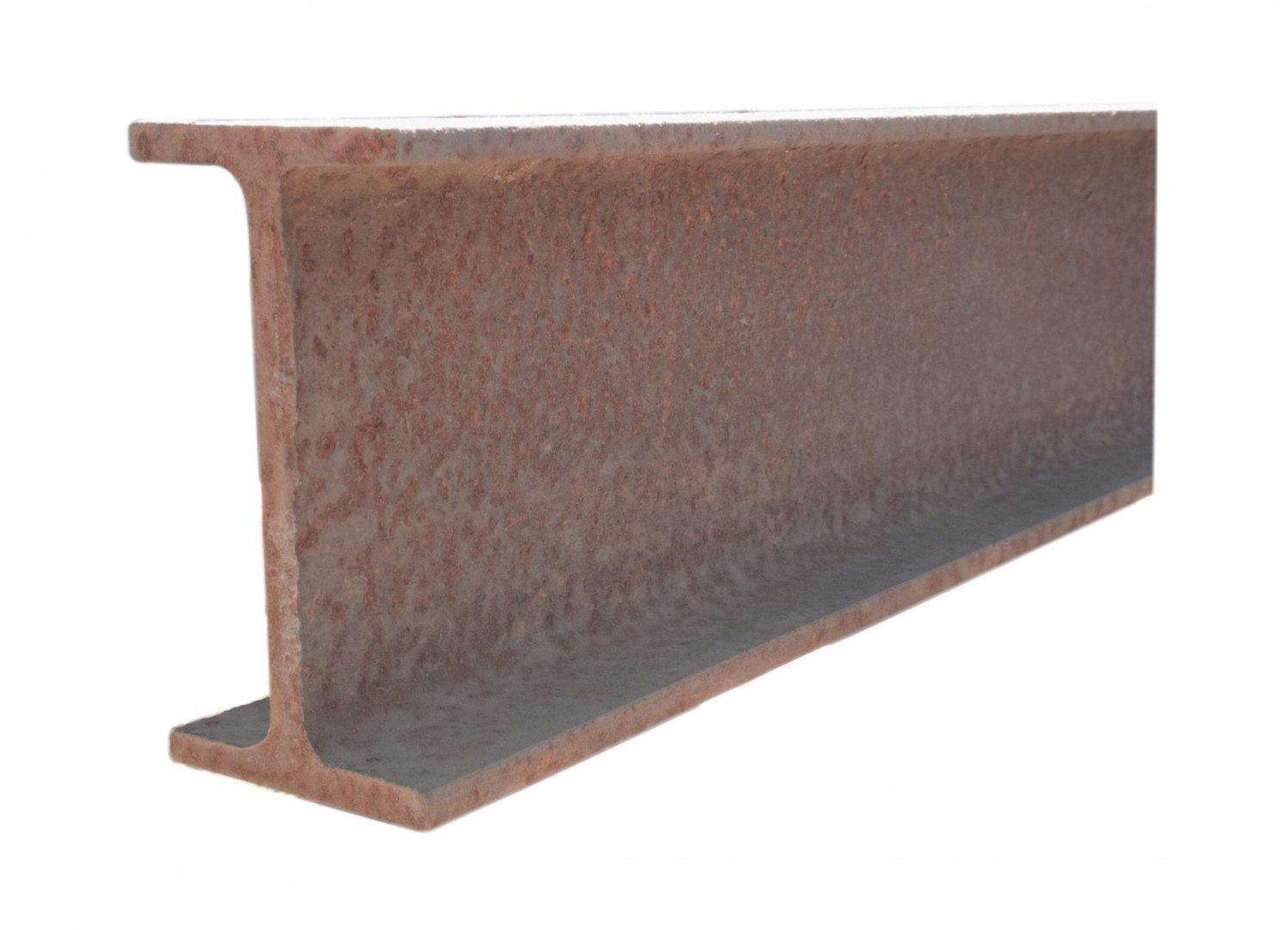
Steel I-beam IPE 200 length 1000 mm
Steel I-beam IPE 200 length 1000 mm.
IPE 200 steel beam – section for stable steel structures
Steel I-beam IPE 200 with a length of 1000 mm is a structural section intended for components requiring suitable rigidity and resistance to loading. Thanks to its slender design and characteristic cross-section, the IPE beam allows durable designs with favourable performance characteristics. It is used in construction and for individual steel projects. Check product availability and select a section suited to the building's requirements!
Where is the IPE 200 beam suitable?
The IPE 200 section is used for load-bearing and auxiliary components in various structures. It can be used as a steel beam, part of a frame, a support or a reinforcing component. Its design makes it a choice for load-bearing assemblies requiring strength combined with limited component mass. Beams of this type are used in industrial buildings, workshops, steel frames and modernisation work, among other applications. A ready-cut length of 1000 mm makes it easier to match the material to a specific project and reduces additional section preparation.
Technical specifications of the IPE 200 section
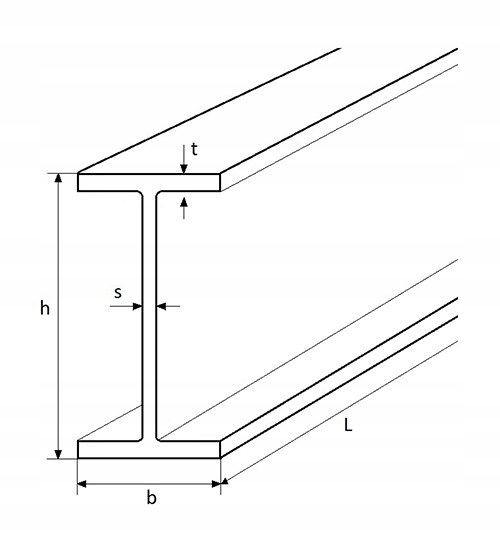
IPE beam 200 has a tall web and narrower flanges compared with wide-flange sections. This geometry makes it particularly suitable for applications where bending strength or the ability to build a light but stable structure matters. A section of 1 m in length is a practical solution for smaller projects, repairs or making individual steel components.
| Parameter | Value |
|---|---|
| Section type | IPE beam |
| Section height | 200 mm |
| Flange width | 100 mm |
| Web thickness | 5,6 mm |
| Flange thickness | 8,5 mm |
| Length | 1000 mm |
| Material | Structural steel |

1. Eye protection:
– Always wear safety goggles or a face shield to protect your eyes from sparks, particles and metal fragments.
2. Hearing protection:
– When working in a noisy environment, use ear defenders or earplugs to prevent hearing damage.
3. Respiratory protection:
– When working in dusty surroundings or in the presence of fumes, wear a filtering mask or an appropriate respirator.
– Ensure proper ventilation of the workstation.
4. Hand and skin safety:
– Use protective gloves that protect against mechanical injuries and chemicals.
– Where necessary, use protective creams to prevent irritation and dry skin.
5. Work clothing:
– Work in protective clothing resistant to sparks and splashes.
– Avoid loose clothing, jewellery and loose hair near machinery.
6. Fire risk:
– Keep the workstation free of flammable materials (e.g. paper, fabrics and chemicals).
– Keep a serviceable fire extinguisher close at hand and know how to use it.
7. Electrical hazards:
– Check the condition of cables and electrical equipment before use.
– Do not use electrical devices in damp conditions.
– Disconnect equipment from the power supply during maintenance or repairs.
8. Use of machinery and tools:
– Regularly inspect the technical condition of machines and tools.
– Use equipment in accordance with the manufacturer's instructions.
– Blades and tools should be maintained regularly and kept in good condition.
– Machines should be fitted with appropriate guards and protective devices.
9. Handling materials:
– Use handling equipment to move heavy components.
– Lift and carry using ergonomic practices to avoid injury.
10. Working with chemicals:
– Store chemicals in labelled, safe containers.
– Use substances in accordance with the manufacturer's instructions and occupational health and safety rules.
– Ensure air circulation when using chemicals.
Other important rules:
– Keep the workstation clean and tidy.
– Ensure adequate lighting in the working area.
– Provide occupational health and safety training.
– Carry out regular safety audits and comply with current regulations.

Comments (0)
Your review appreciation cannot be sent
Report comment
Report sent
Your report cannot be sent