


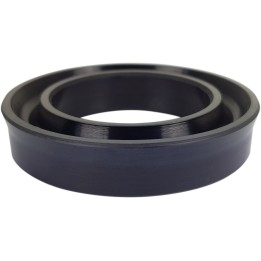
Cylinder seal 18x34x10 U2 cup seal images
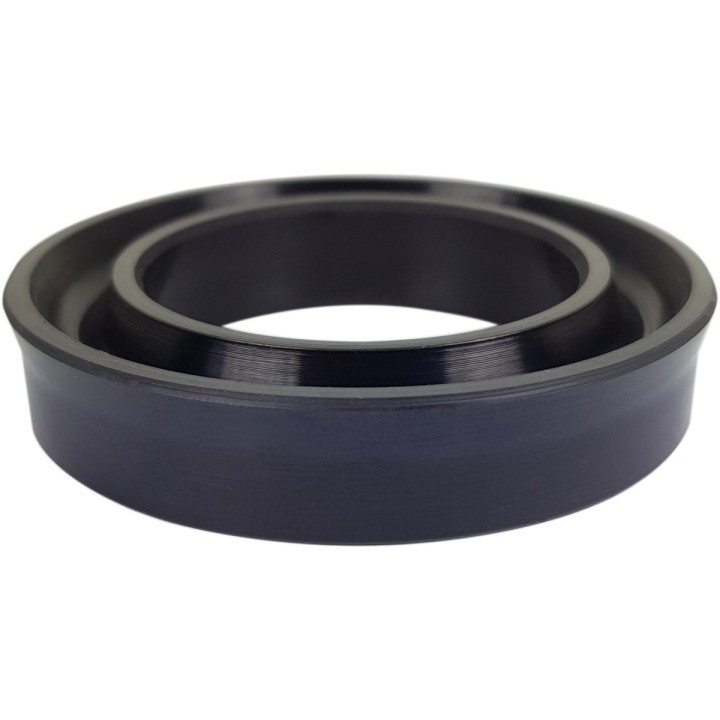
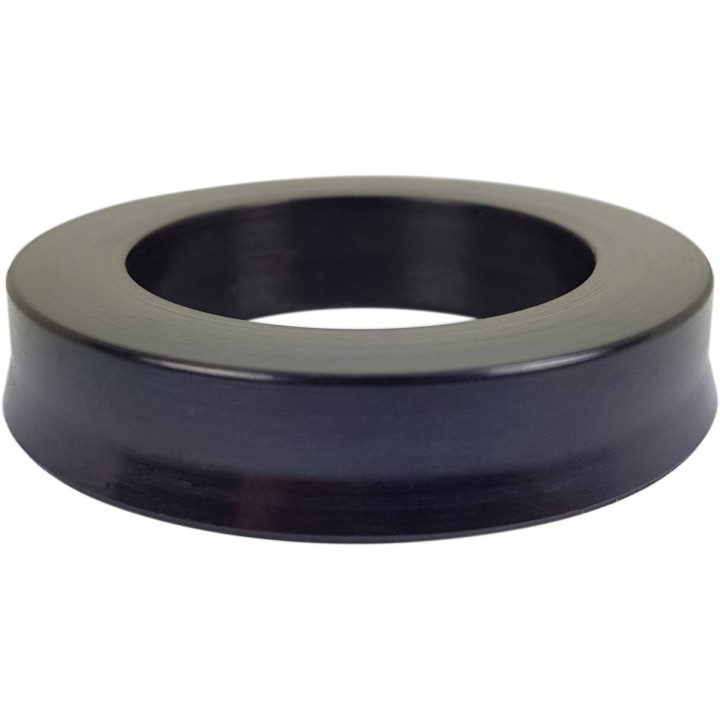
Cylinder seal 18x34x10 U2 cup seal
zł12.95 Grosszł10.53 Net
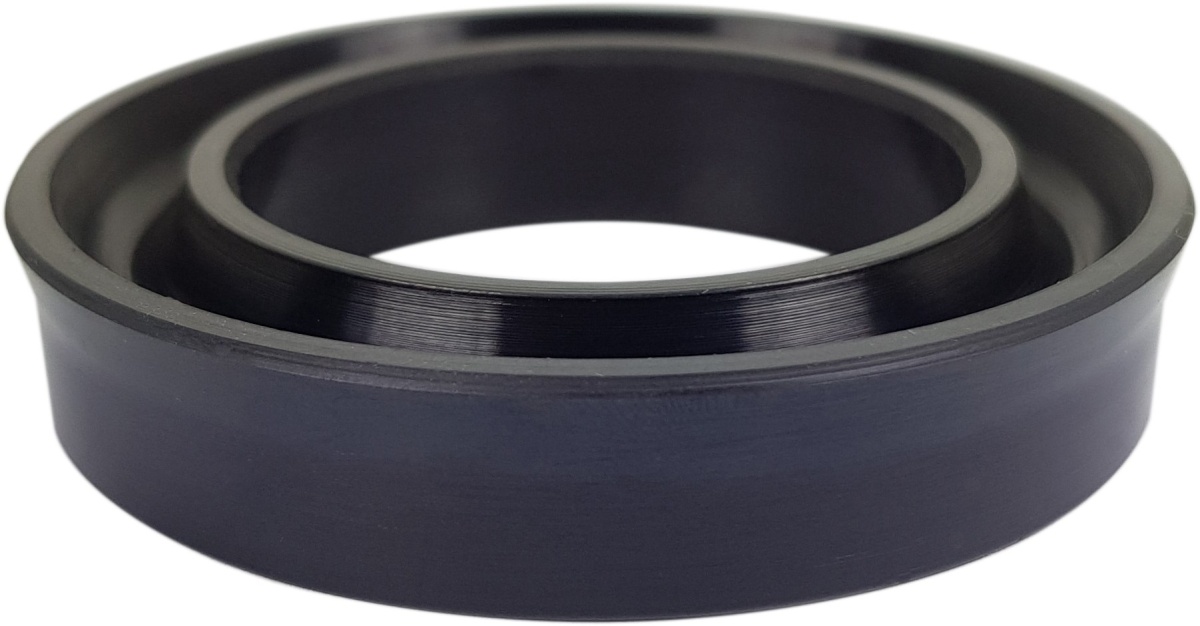
Cylinder seal 18x34x10 U2 cup seal.
Item description:
- Name: Cylinder seal
- Quantity sold: 1 pc.
- Size:18x34x10
- Type:U2 (cup seal)
- Material: NBR
- Temperature range:from -30 to +100 °C
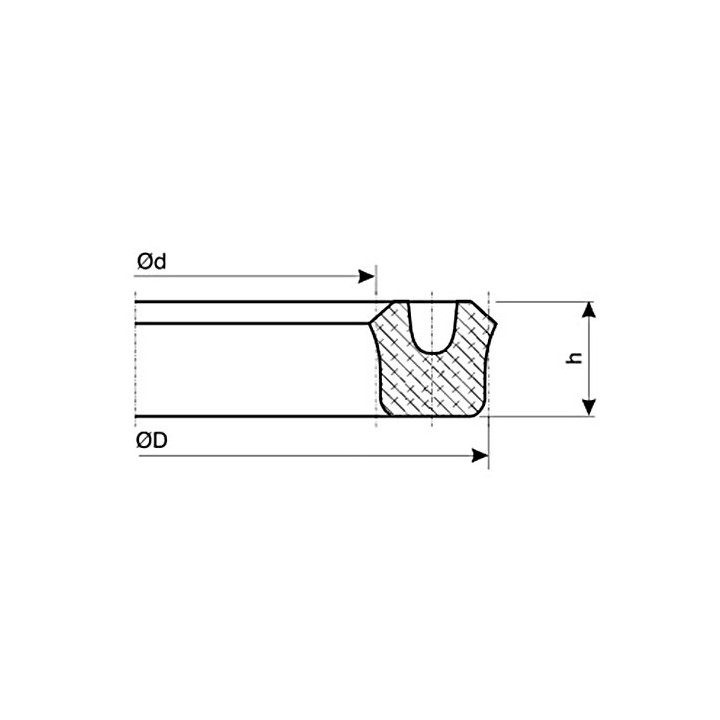
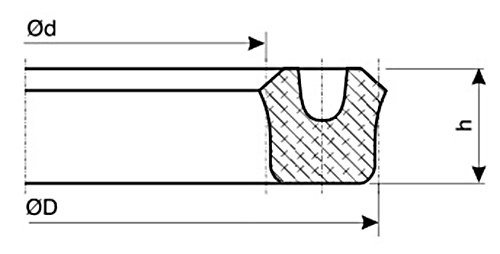
Technical specifications:
Dimensions:
d: 18 mm
D: 34 mm
h: 10 mm
DESCRIPTION:
Nitrile is a copolymer of butadiene and acrylonitrile. The percentage ratio of these chemical compounds determines the degree of oil resistance and cold resistance. It occurs as an isoprene polymer. Nitrile vulcanisate used in hydraulics and pneumatics is characterised by high elasticity and tensile strength, oil resistance and low compression set.
RESISTANT to:
- engine oils, transformer oils, heating oils,
- greases,
- hydraulic fluids,
- aliphatic hydrocarbons;
- propane,
- butane,
- petrol,
- alcohols,
- aqueous salt solutions,
- dilute acids and alkalis at low temperatures,
- water up to 60°C. (special variants 100°C)
NOT RESISTANT to:
- silicone oils and greases,
- glycol-based brake fluids,
- HFD hydraulic fluids,
- concentrated acids and alkalis,
- aromatic and chlorinated hydrocarbons (e.g. benzene, tri),
- esters.
-
Brand

-
Reference6131213405
-
Waga0,15 kg
-
In stock998 Items
-
Sales unitpcs
Workplace safety warnings — in accordance with Regulation (EU) 2023/988 on general product safety:
1. Eye protection:
– Always wear safety goggles or a face shield to protect your eyes from sparks, particles and metal fragments.
2. Hearing protection:
– When working in a noisy environment, use ear defenders or earplugs to prevent hearing damage.
3. Respiratory protection:
– When working in dusty surroundings or in the presence of fumes, wear a filtering mask or an appropriate respirator.
– Ensure proper ventilation of the workstation.
4. Hand and skin safety:
– Use protective gloves that protect against mechanical injuries and chemicals.
– Where necessary, use protective creams to prevent irritation and dry skin.
5. Work clothing:
– Work in protective clothing resistant to sparks and splashes.
– Avoid loose clothing, jewellery and loose hair near machinery.
6. Fire risk:
– Keep the workstation free of flammable materials (e.g. paper, fabrics and chemicals).
– Keep a serviceable fire extinguisher close at hand and know how to use it.
7. Electrical hazards:
– Check the condition of cables and electrical equipment before use.
– Do not use electrical devices in damp conditions.
– Disconnect equipment from the power supply during maintenance or repairs.
8. Use of machinery and tools:
– Regularly inspect the technical condition of machines and tools.
– Use equipment in accordance with the manufacturer's instructions.
– Blades and tools should be maintained regularly and kept in good condition.
– Machines should be fitted with appropriate guards and protective devices.
9. Handling materials:
– Use handling equipment to move heavy components.
– Lift and carry using ergonomic practices to avoid injury.
10. Working with chemicals:
– Store chemicals in labelled, safe containers.
– Use substances in accordance with the manufacturer's instructions and occupational health and safety rules.
– Ensure air circulation when using chemicals.
Other important rules:
– Keep the workstation clean and tidy.
– Ensure adequate lighting in the working area.
– Provide occupational health and safety training.
– Carry out regular safety audits and comply with current regulations.
4 other products in the same category
Viewed products
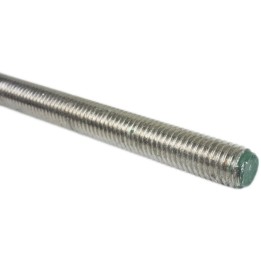
Stainless steel threaded rod M33 A2 length 1000 mm
zł440.40 Grosszł358.05 Net
Rated out of 5 stars based on
review(s)
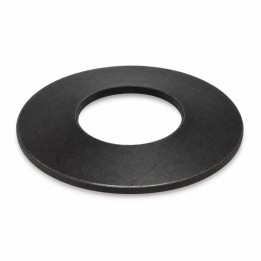
20x10,2x1,25 Phosphated disc spring DIN 2093 - 200 pcs.
zł48.80 Grosszł39.67 Net
Rated out of 5 stars based on
review(s)
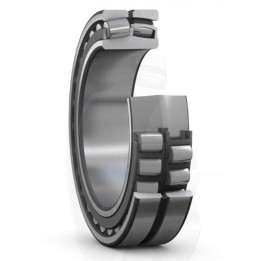
Double-row spherical roller bearing 23940 CC/W33 SKF
zł6,268.10 Grosszł5,096.02 Net
Rated out of 5 stars based on
review(s)
- New
- Currently out of stock
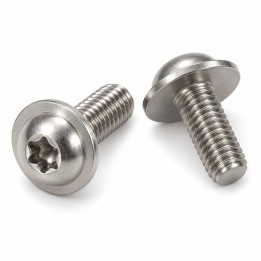
M4x30 Flanged screws Torx T20 A2 - ISO 7380-2 - 500 pcs.
zł159.82 Grosszł129.93 Net
Rated out of 5 stars based on
review(s)
Comments (0)
Your review appreciation cannot be sent
Report comment
Report sent
Your report cannot be sent