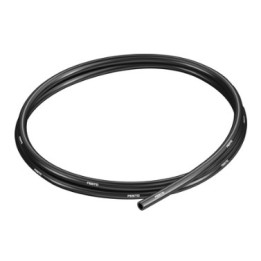
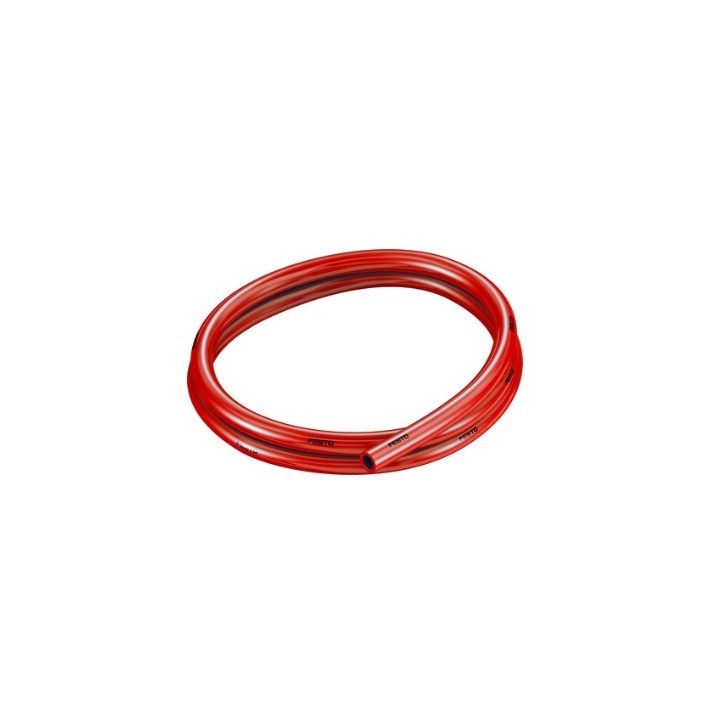
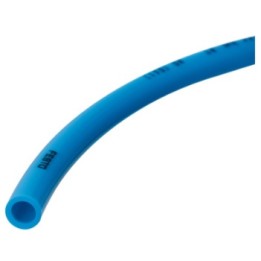
Pneumatic tubing PUN-H-12X2-RT FESTO
zł24.80 Grosszł20.16 Net
Pneumatic tubing PUN-H-12X2-RT FESTO.
| Outside diameter | 12 mm |
| Flow-related bending radius | 62 mm |
| Inside diameter | 8 mm |
| Min. bending radius | 33 mm |
| Pneumatic tubing properties | Suitable for use in cable carriers with a high number of cycles |
| Pneumatic tubing test conditions | Suitable for cable carriers: > 5 million cycles according to FN 942021 |
| Operating pressure depending on temperature | -0.95 ... 10 bar |
| Approval | TÜV |
| Operating medium | Compressed air according to ISO8573-1:2010 [7:-:-] Water according to the manufacturer's declaration at www.festo.com |
| Material fire test | UL94 HB |
| Food safety | See additional material information |
| Ambient temperature | -35 ... 60 °C |
| Product weight per unit length | 0.0729 kg/m |
| Pneumatic connections | for push-in fittings, outside diameter 12 mm |
| Colour | Red |
| Shore hardness | D 52 +/-3 |
| Note on materials | Free of copper and PTFE RoHS-compliant |
| Tubing material | TPE-U(PU) |
Workplace safety warnings — in accordance with Regulation (EU) 2023/988 on general product safety:
1. Eye protection:
– Always wear safety goggles or a face shield to protect your eyes from sparks, particles and metal fragments.
2. Hearing protection:
– When working in a noisy environment, use ear defenders or earplugs to prevent hearing damage.
3. Respiratory protection:
– When working in dusty surroundings or in the presence of fumes, wear a filtering mask or an appropriate respirator.
– Ensure proper ventilation of the workstation.
4. Hand and skin safety:
– Use protective gloves that protect against mechanical injuries and chemicals.
– Where necessary, use protective creams to prevent irritation and dry skin.
5. Work clothing:
– Work in protective clothing resistant to sparks and splashes.
– Avoid loose clothing, jewellery and loose hair near machinery.
6. Fire risk:
– Keep the workstation free of flammable materials (e.g. paper, fabrics and chemicals).
– Keep a serviceable fire extinguisher close at hand and know how to use it.
7. Electrical hazards:
– Check the condition of cables and electrical equipment before use.
– Do not use electrical devices in damp conditions.
– Disconnect equipment from the power supply during maintenance or repairs.
8. Use of machinery and tools:
– Regularly inspect the technical condition of machines and tools.
– Use equipment in accordance with the manufacturer's instructions.
– Blades and tools should be maintained regularly and kept in good condition.
– Machines should be fitted with appropriate guards and protective devices.
9. Handling materials:
– Use handling equipment to move heavy components.
– Lift and carry using ergonomic practices to avoid injury.
10. Working with chemicals:
– Store chemicals in labelled, safe containers.
– Use substances in accordance with the manufacturer's instructions and occupational health and safety rules.
– Ensure air circulation when using chemicals.
Other important rules:
– Keep the workstation clean and tidy.
– Ensure adequate lighting in the working area.
– Provide occupational health and safety training.
– Carry out regular safety audits and comply with current regulations.
4 other products in the same category
Pneumatic tubing PUN-H-4X0,75-BL FESTO
zł4.80 Grosszł3.90 Net
Rated out of 5 stars based on
review(s)

Comments (0)
Your review appreciation cannot be sent
Report comment
Report sent
Your report cannot be sent